



Why is my dog restless at night Causes and solutions that actually work
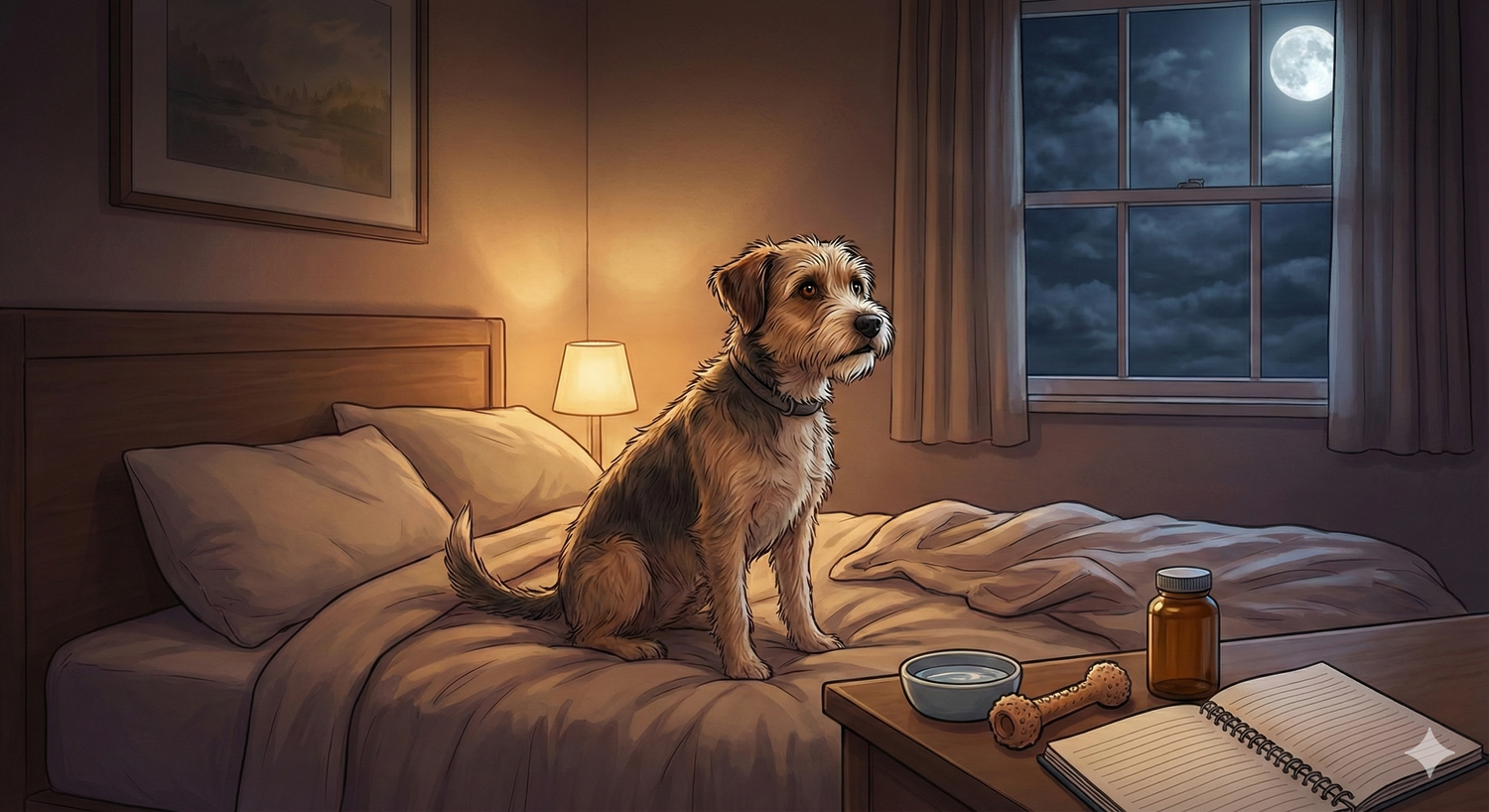
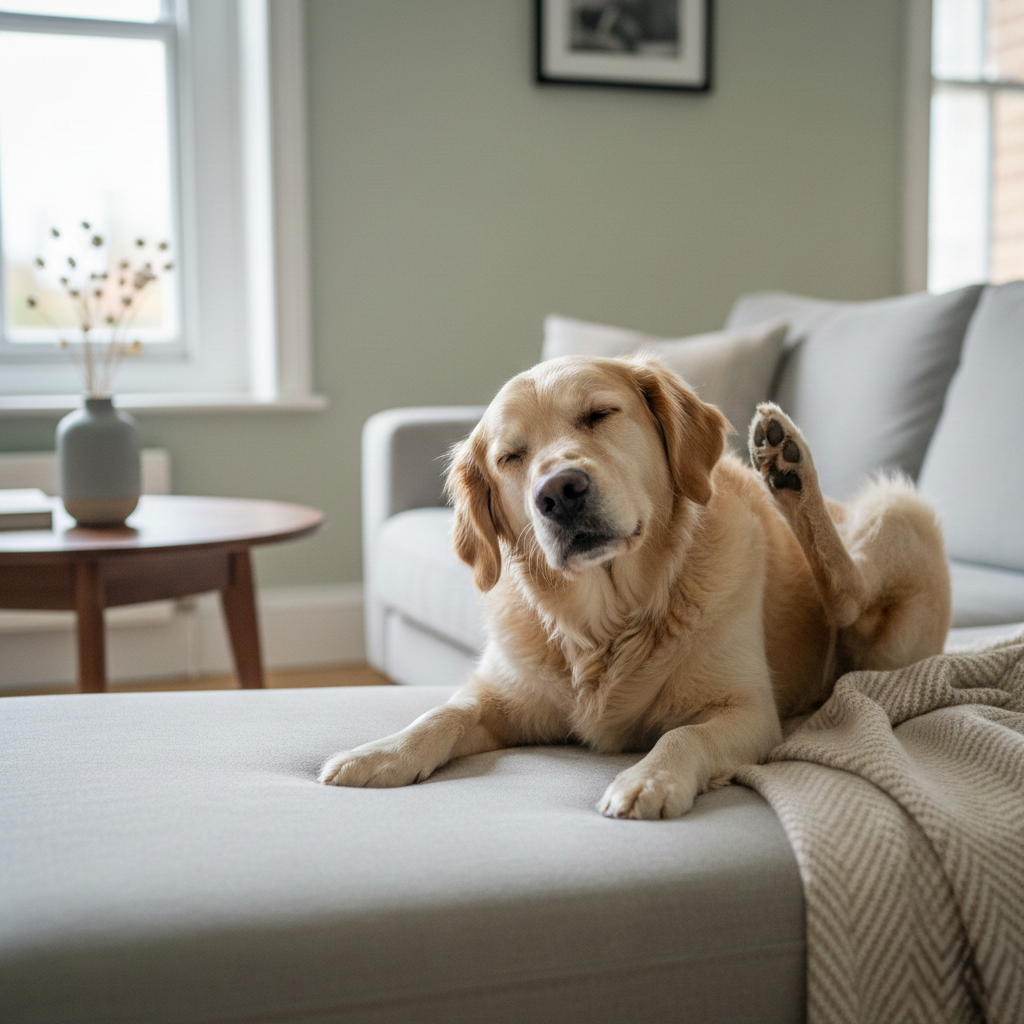
If your dog is pacing, panting, whining, scratching, or repeatedly getting up once the lights go out, it can feel exhausting and worrying. Night time restlessness is common, but it is not something to ignore. It is usually a sign that your dog feels uncomfortable, unsettled, or needs something.
This guide helps you work out the most likely cause, what you can do tonight, and how to build an evening routine that supports better sleep long term.
The quick answer
Most dogs are restless at night because of one of these: discomfort or pain, needing the toilet, itching, digestive upset, or stress and anxiety. Start by ruling out anything urgent, then use the checklist below tonight and a consistent wind down routine going forward.
Important: If your dog is suddenly restless at night and this is new for them, speak to your vet, especially if you notice vomiting, diarrhoea, breathing changes, swelling, collapse, or obvious pain.
Key takeaways
- Restlessness is a symptom, not a naughty behaviour
- A calm toilet break and lower stimulation helps many dogs settle
- Itching, tummy discomfort, and stress are common hidden triggers
- Senior dogs may be unsettled due to stiffness or confusion
- Routine plus calm enrichment is one of the most reliable long term fixes
When to call a vet sooner rather than later
Seek veterinary advice urgently if you notice any of the following:
- Heavy panting not linked to heat or exercise, or breathing that looks difficult
- Crying out, limping, reluctance to lie down, or sudden stiffness
- Vomiting, repeated retching, bloated tummy, or clear signs of nausea
- A sudden behaviour change that persists, especially in a senior dog
Why your dog is restless at night
Below are the most common causes, in the order you should usually think about them.
1 Discomfort or pain
Dogs in pain often struggle to get comfortable. You might see constant position changes, pacing, or panting. In older dogs, joint stiffness often shows up more when they have cooled down after the day.
Clues to look for:
- Stiffness when getting up
- Less jumping on sofas or stairs
- Licking one area repeatedly
- A tense posture or hunching
2 Needing the toilet
Sometimes it is simply timing. If their last wee was too early, they may wake up and pace until you let them out. If this becomes frequent, it is worth checking for urinary issues, increased thirst, or digestive upset.
Clues to look for:
- Heading towards the door
- Sniffing and circling
- Accidents indoors
- Drinking more than usual
3 Itching and skin irritation
If your dog is itchy, they cannot relax. They may scratch, chew paws, rub their face, or keep changing position.
Clues to look for:
- Scratching, paw chewing, face rubbing
- Redness, dandruff, hotspots
- Head shaking or ear scratching
4 Digestive discomfort or nausea
A dog that feels sick can seem unsettled, pace, swallow repeatedly, drool, or lick their lips. Digestive discomfort can also show up as restlessness after meals.
Clues to look for:
- Lip licking, dribbling, swallowing
- Gurgling tummy or wind
- Off food or fussier than normal
- Grass eating earlier in the day
5 Stress or anxiety
Stress can show up as pacing, whining, panting, and difficulty settling. Triggers include noise, changes in routine, visitors, being left out of the bedroom, or worries about being alone.
Clues to look for:
- More clingy behaviour in the evening
- Following you room to room
- Whining when doors close
- Settles only when you sit nearby
Sounds like your dog?
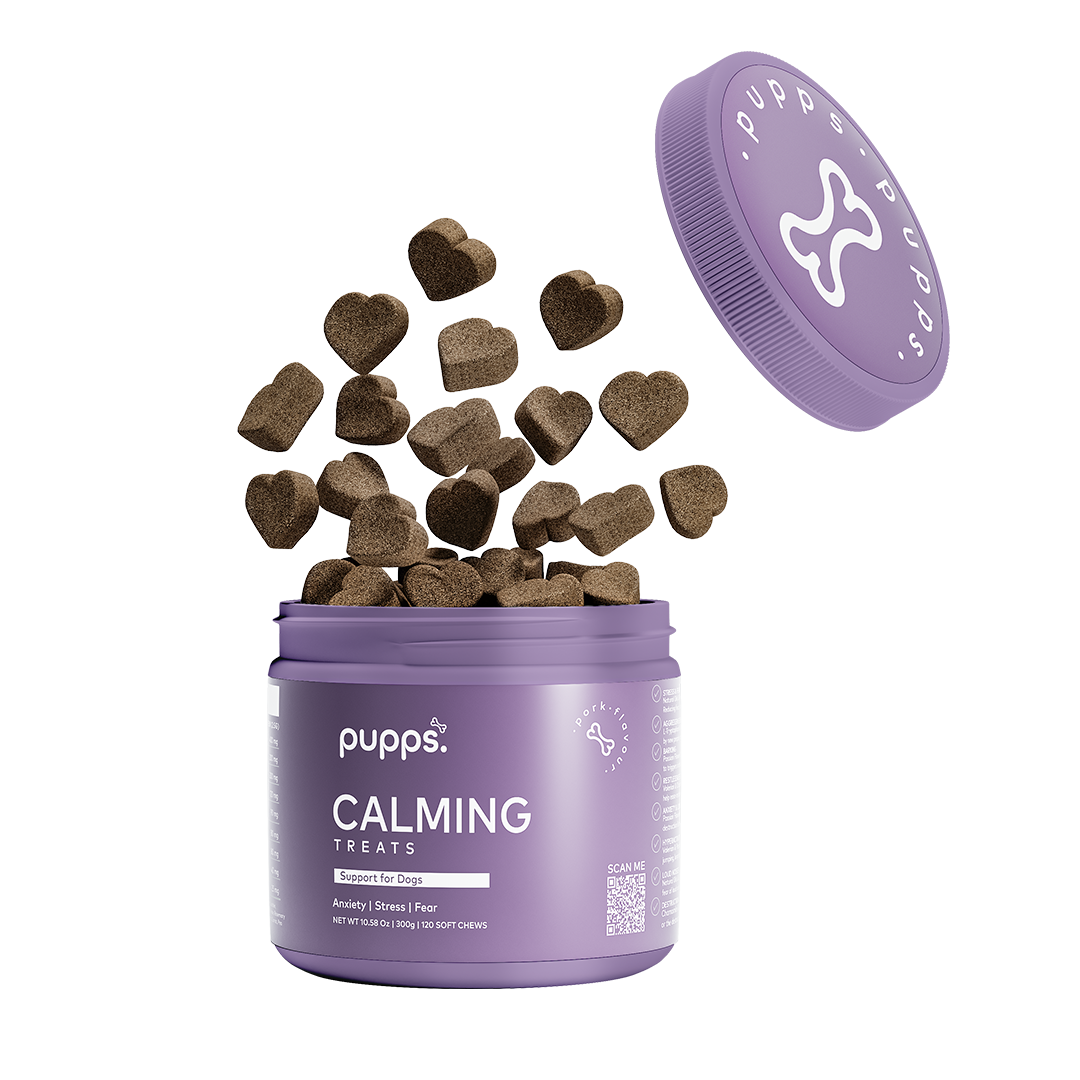
Pupps Calming Treats are UK Vet Approved soft chews with chamomile, L-Theanine and valerian root, made to support a calmer evening routine.
6 Not enough calm mental stimulation
A dog can be physically tired but mentally under stimulated. Calm enrichment like sniffing games and puzzle feeding helps many dogs switch off.
7 Overstimulation too close to bedtime
Rough play, exciting games, or intense training late in the evening can leave your dog wired. Many dogs need a proper wind down period.
8 Age related changes in senior dogs
Some older dogs become confused at night and may pace, stare into space, or seem disorientated. This can also happen alongside joint discomfort and needing the toilet more often.
What to do tonight A simple checklist
If it is late and you just need a plan, work through this in order. Keep everything calm and boring.
- Offer a calm toilet break Straight out and back in, no play
- Quick comfort check Look for limping, intense itching, a tense tummy, or pain signs
- Offer water Note if they are drinking excessively
- Lower stimulation Dim lights, reduce noise, stop exciting play
- Use a settle cue Same spot, same bed, same phrase, same routine
- Try calm enrichment A lick mat, a safe chew, or a sniff based activity
- Make the sleep area comfortable Cool, quiet, away from drafts
If your dog cannot settle at all and this is unusual for them, book veterinary advice, especially if you suspect pain or illness.
What helps long term
Create an evening wind down routine
Consistency matters. Aim for the same pattern most nights:
- Dinner at a similar time
- A gentle toilet break or sniff focused walk
- Ten minutes of calm enrichment
- Quiet time with lower lights and less noise
- Bed
Choose the right type of exercise
If your dog is restless because they have energy, the answer is often more of the right activity, not just more activity. In the evening, sniff walks usually help more than intense chasing games.
Support comfort and digestion
If you suspect tummy discomfort, look at meal timing, rich treats, sudden diet changes, and any pattern between food and restlessness. If you regularly see lip licking, drooling, or pacing after meals, speak to your vet.
Reduce anxiety triggers gradually
If your dog struggles when separated from you at night, treat it like training, not disobedience. Make the sleep space feel safe, avoid sudden routine changes, and build confidence in small steps.
Calming treats Ingredients and what actually matters
Supplements work best when they support a good routine, not when they are asked to fix everything on their own. If your dog struggles to settle in the evening, calming support can make sense alongside routine, enrichment, and training.
Pupps Calming Treats are designed around three support areas:
1 Nervous system support for stress and triggers
L Tryptophan 98 percent 90 mg and L Theanine 40 mg are included as commonly used amino acids that support calmer responses in some dogs. These ingredients are often used to help dogs who are easily overstimulated or unsettled by everyday triggers.
2 Herbal calming support for relaxation
Organic Chamomile Powder 200 mg, Organic Passion Flower 120 mg, and Valerian Root 80 mg are traditional calming botanicals. Individual responses vary, so the right expectation is support for relaxation as part of a wider plan, not a guaranteed fix.
3 Comfort support for dogs who get unsettled
Organic Ginger Root Powder 80 mg is included to support comfort. This can be helpful for dogs who seem unsettled when routines change or when they struggle to switch off after meals.
Hemp Oil and Powder 400 mg is included as a supportive oil ingredient. Note that hemp ingredients are not the same thing as CBD, so avoid expecting CBD like effects unless a product specifically states CBD content and dosage.
Also included: Colostrum 200 mg and Vitamin B1 25 mg as part of the full formula.
What behaviours this can support
- Settling and restlessness in the evening
- Support during common triggers like visitors, routine changes, or loud noises
- Dogs that become over alert in the home
- Dogs that struggle with confidence in new environments
How to use calming treats properly
- For daily settling support: Use consistently alongside an evening routine for two to four weeks before judging
- For predictable events: Start support in advance and pair with a safe space and calm routine
Safety note: If your dog is on medication, has ongoing health issues, or you are unsure what is driving the behaviour change, ask your vet before adding new supplements.
Product link: Calming dog treats
Frequently asked questions
Why is my dog pacing at night but fine in the day
Night time pacing is often linked to discomfort, itching, stress, digestive upset, or needing the toilet. If it is new or worsening, speak to your vet to rule out pain or illness.
Why is my dog panting at night
Panting can be stress, heat, pain, or illness. Check temperature and comfort first. If panting is persistent or paired with other symptoms, seek veterinary advice.
My senior dog is restless at night What does it mean
Older dogs may be restless due to joint discomfort, needing the toilet more often, or age related confusion. A stable routine and gentle daytime movement can help, but discuss changes with your vet if it is new.
Should I ignore my dog when they whine at night
It depends why they are whining. Do not assume it is attention seeking until you have ruled out pain, toilet needs, nausea, and stress. If all needs are met, keep responses calm and consistent so you do not accidentally reinforce the behaviour.
Conclusion
A dog restless at night is usually telling you something is off, whether that is discomfort, needing the toilet, itching, digestive upset, or stress. Start with the quick checks, improve the evening wind down, and look for patterns across food, activity, and environment.
If you want to support calmer evenings as part of a wider routine, explore Calming dog treats and pair them with a consistent plan.



Leave a comment
This site is protected by hCaptcha and the hCaptcha Privacy Policy and Terms of Service apply.