
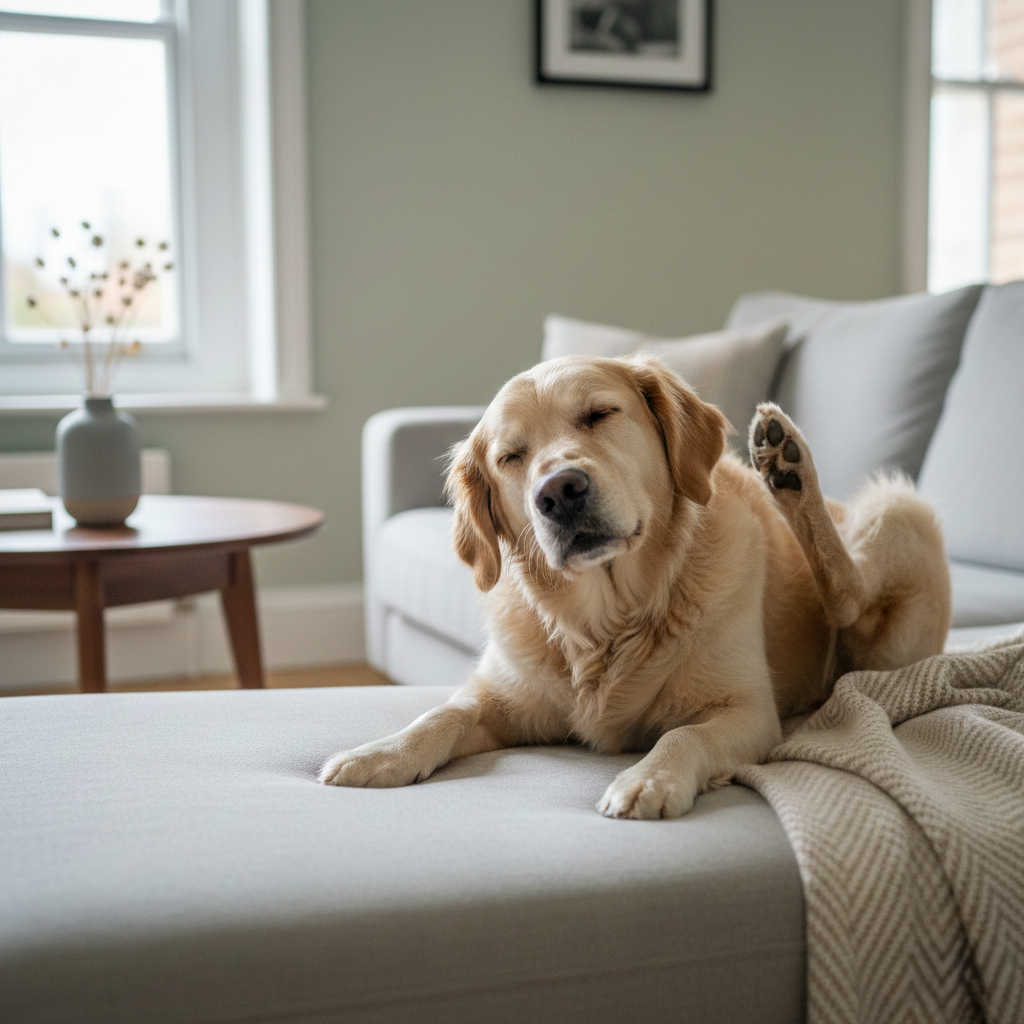
Quick answer: Most itching comes from a small group of causes: fleas, allergies, dry skin, irritation from the environment, or skin infections. The fastest way to figure it out is to track where the itch is, when it is worse, and what else is happening (licking, red skin, ear shaking, tummy changes). Use the checklist below to narrow it down.
Important: This article is for general information only and is not a substitute for veterinary advice. If symptoms are severe, sudden, or getting worse, speak to your vet.
Contents
- The itchy dog checklist
- The most common causes of itching
- How to spot patterns that reveal the cause
- What to do first at home
- When to see a vet
- FAQs
The itchy dog checklist
If you do nothing else, do this. It takes five minutes and it usually points you in the right direction.
1 Where is the itch
- Paws (licking, chewing, red between toes)
- Ears (head shaking, rubbing, smell)
- Belly (redness, rolling, licking)
- Back and tail base (classic flea area)
- All over (often allergy, dry skin, irritation, or infection)
2 When is it worse
- After walks
- In the evening or overnight
- After cleaning day (sprays, plug ins, detergents)
- Seasonal changes (spring, summer, autumn)
- After a bath or grooming
- After new treats or a food change
3 What else is happening
- Red skin, flaky skin, dandruff
- Greasy coat or strong smell
- Hot spots or sore patches
- Hair thinning or bald areas
- Ear shaking or ear smell
- Tummy changes (soft stool, gas, gurgling)
4 The quick flea check
Even if you think it is not fleas, check anyway. Fleas can be missed and some dogs react strongly to very small bites.
- Part the coat at the tail base and along the back
- Look for flea dirt (tiny black specks). If you dab it with a wet tissue it can turn reddish brown
- Make sure your flea prevention routine is consistent
Tip: If your dog is itching and you are not sure where to start, begin with fleas, bedding, and grooming products. They are the fastest wins.

The most common causes of itching
Fleas (even when you cannot see them)
Fleas are still one of the most common reasons dogs itch. Some dogs are especially sensitive and will scratch intensely, even if you only find a small amount of flea dirt. Itching around the tail base is a common clue, but fleas can cause irritation anywhere.
Environmental allergies
Dogs can react to things in their environment, such as grass, pollen, dust, mould, or household products. This often shows up as paw licking, ear irritation, face rubbing, or belly redness. If you notice a seasonal pattern, this becomes more likely.
Food sensitivities
Food sensitivities can contribute to itchy skin for some dogs. They can also show up alongside tummy symptoms such as gas or soft stools. If you have recently changed food or introduced lots of new treats, keep things steady and track symptoms. It is very hard to know what is helping if you change multiple things at once.
Dry skin and skin barrier irritation
Dry indoor air, over bathing, harsh shampoo, or frequent grooming products can irritate the skin barrier. You might notice flaking, dull coat, or increased scratching without obvious redness.
Skin infections and yeast
Some itchy dogs have secondary issues such as bacterial or yeast overgrowth. Clues include strong smell, greasy coat, persistent redness, or repeated ear problems. These cases often need veterinary support.
How to spot patterns that reveal the cause
Most itching becomes easier to understand once you track it. You do not need anything fancy. Use your Notes app and write down these three lines each day for seven days.
- Where: paws, ears, belly, tail base, all over
- When: after walks, evening, overnight, after cleaning day, seasonal
- Other signs: red skin, smell, ear shaking, tummy changes
After a week, you will usually see a pattern. Patterns are what help you choose the next best step.
What to do first at home
These are practical steps you can start today. They are designed to reduce irritation and help you identify triggers.
1 Simplify for seven days
- Keep food and treats consistent
- Avoid adding lots of new extras at once
- Stick to a calm routine and track symptoms
2 Wash what touches your dog most
- Wash bedding weekly
- Use a gentle detergent if you suspect irritation
- Avoid strong room sprays around your dog

3 Paw routine after walks
If the itch is mostly paws, try a simple post walk routine.
- Wipe paws with a damp cloth
- Check between toes for grass seeds, grit, or redness
- Dry paws well, especially in wet weather

4 Keep grooming gentle
- Avoid frequent baths unless your vet has advised otherwise
- Use a gentle dog safe shampoo
- Rinse thoroughly and dry well
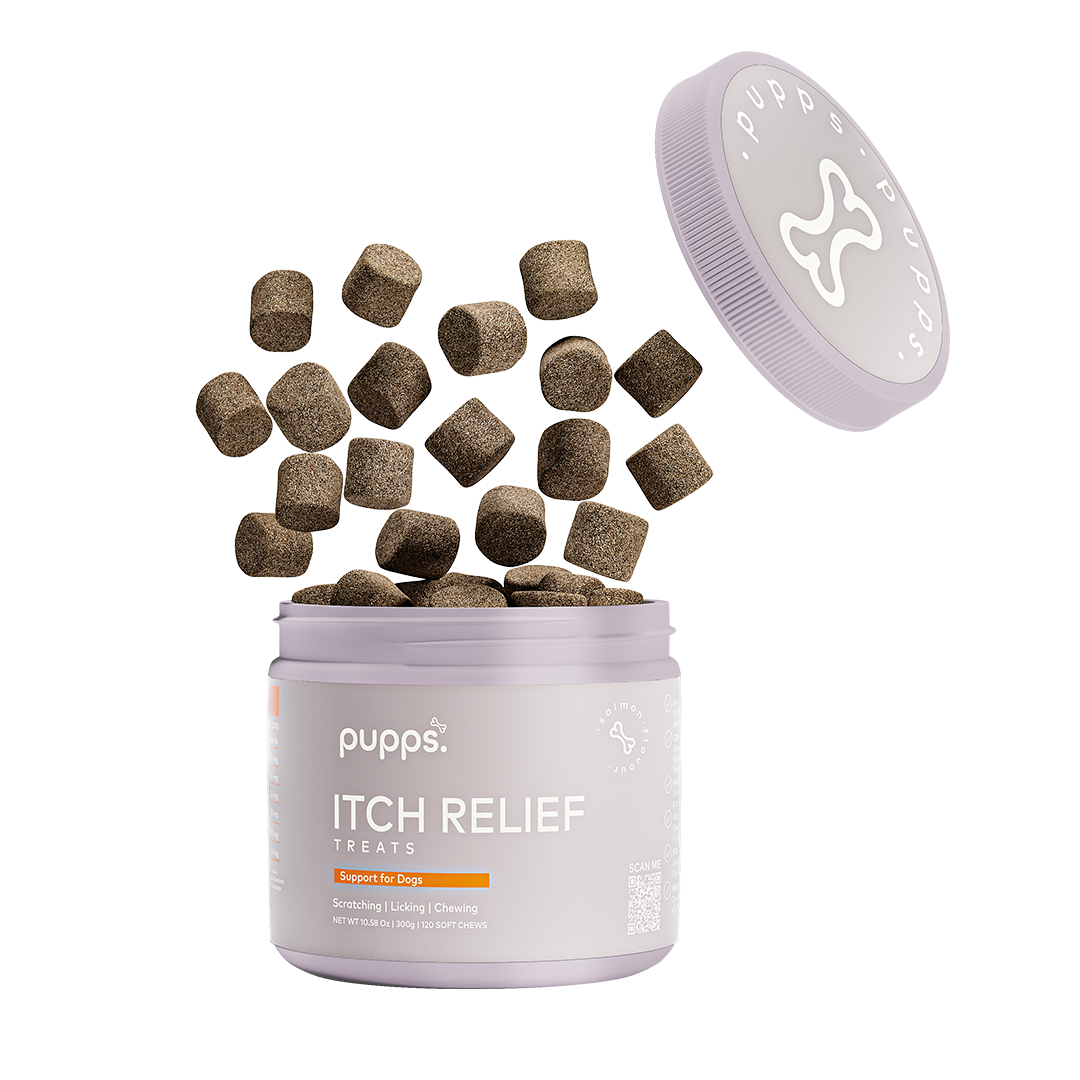
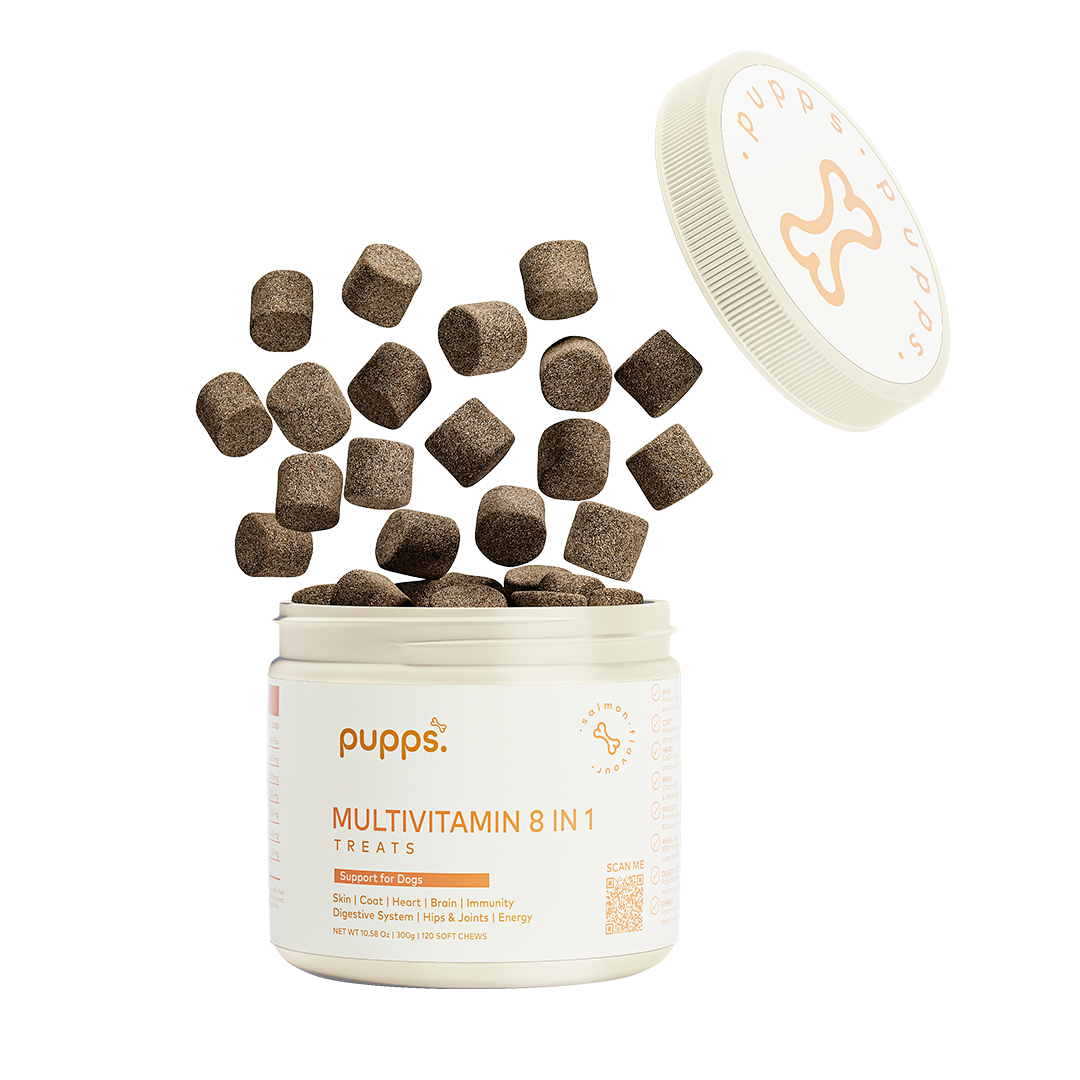
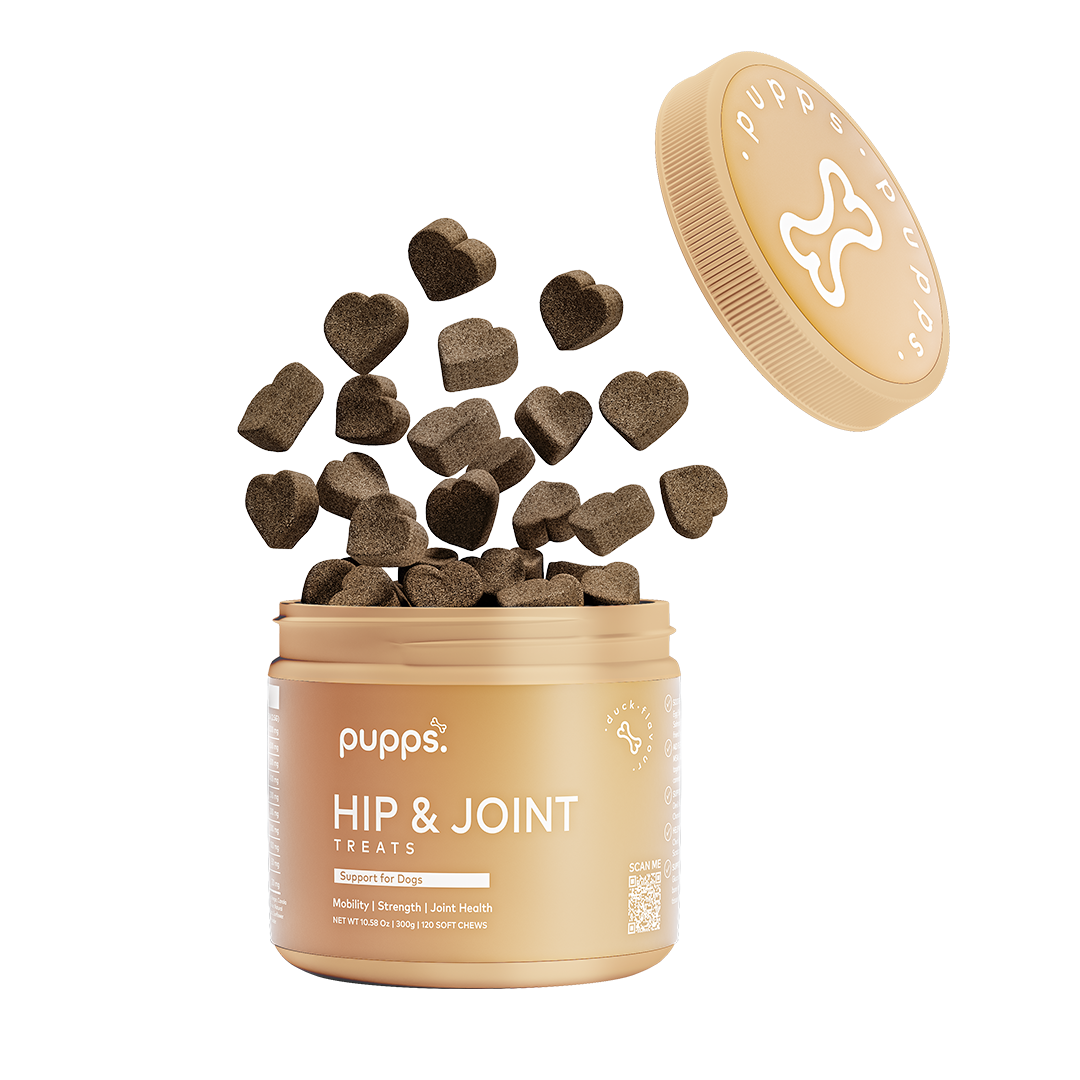
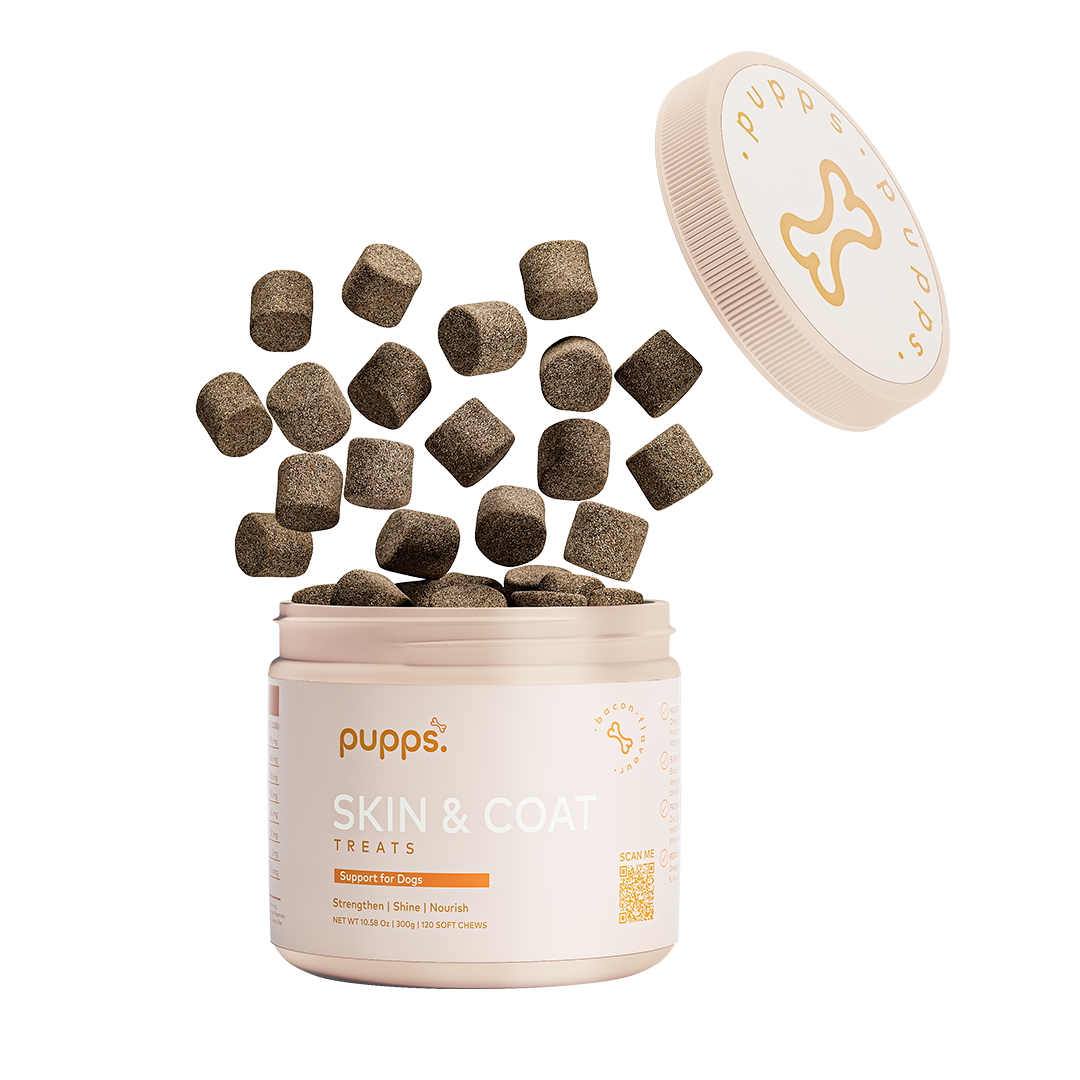
5 Consider supportive routines for skin comfort
Many owners look for routines that support skin comfort alongside the basics above. If you want to explore options from our range, these pages are a useful starting point:
Note: Results vary between dogs. If your dog is very uncomfortable, always speak to your vet.
When to see a vet
Some itching can be managed with simple changes, but some needs proper medical support. Contact your vet if you notice any of the following:
- Sudden severe itching or rapid worsening
- Broken skin, bleeding, or hot spots
- Swelling, hives, or facial swelling
- Strong smell, greasy coat, or discharge
- Repeated ear shaking or ear pain
- Hair loss or bald patches
- Lethargy, vomiting, diarrhoea, or appetite changes
- Limping, pain, or distress

Related reading
- Why is my dog so itchy in summer, and what actually helps
- Dog skin and coat health, the inside out guide
FAQs
Why is my dog itchy but has no fleas
It could be environmental allergies, irritation from products, dry skin, food sensitivities, or a skin infection. Use the checklist above to narrow it down and track patterns for seven days.
Why does my dog scratch more at night
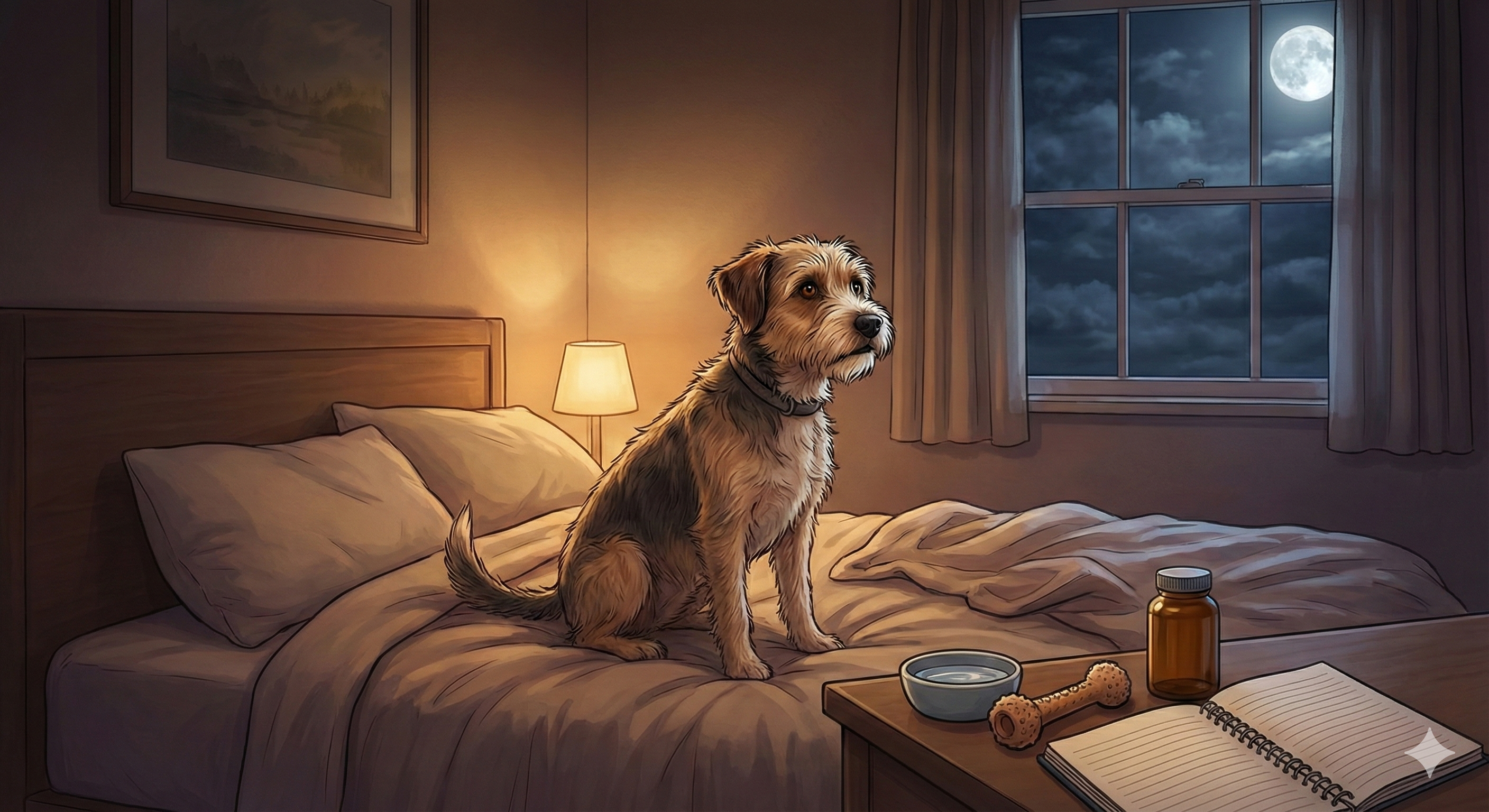
Evening itching can be linked to routine changes, warmth, dry indoor air, or increased focus when the house is quiet. If your dog is also restless at night, consider reviewing bedtime routine, comfort, and any signs of itch or discomfort.
Can food cause itching in dogs
Yes, in some dogs. It can be difficult to identify because symptoms can overlap with environmental triggers. Avoid changing lots of things at once, keep meals consistent, and track any changes in skin and digestion.
Why is my dog licking paws all the time
Paw licking is commonly linked to environmental triggers, irritation after walks, boredom, stress, or discomfort. If you see redness, smell, swelling, or limping, speak to your vet.
How do I know if my dog has a skin infection
Common clues include persistent redness, a strong smell, greasy coat, sore patches, or repeated ear issues. These often need veterinary support.
What is the best first step if I am not sure
Start with the basics: flea check, bedding wash, gentle grooming routine, and a seven day symptom tracker. Patterns usually reveal the next step.
Explore the Pupps range
If you are looking to build a simple routine for your dog, you can browse our range here: Shop all Pupps treats.


Leave a comment
This site is protected by hCaptcha and the hCaptcha Privacy Policy and Terms of Service apply.