
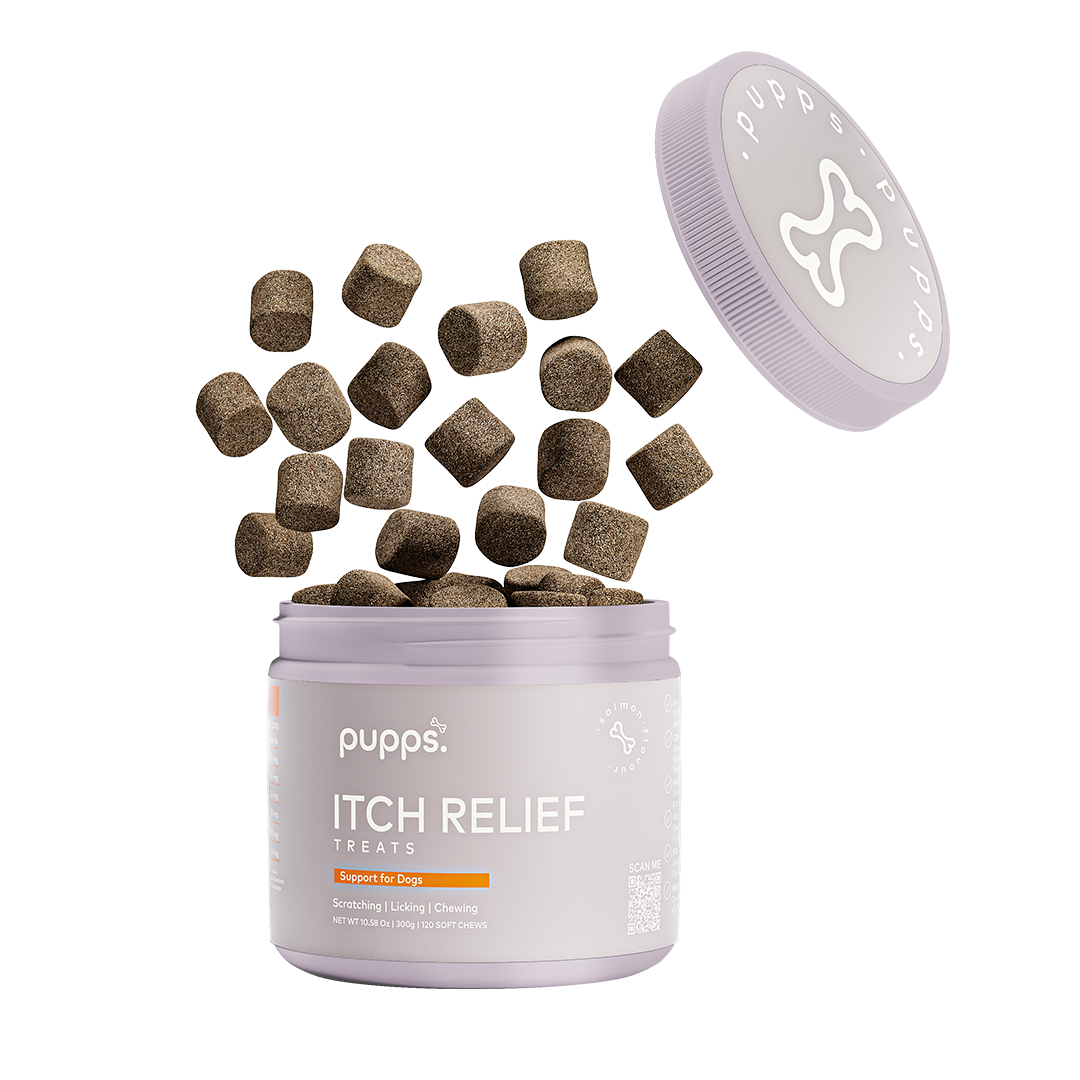
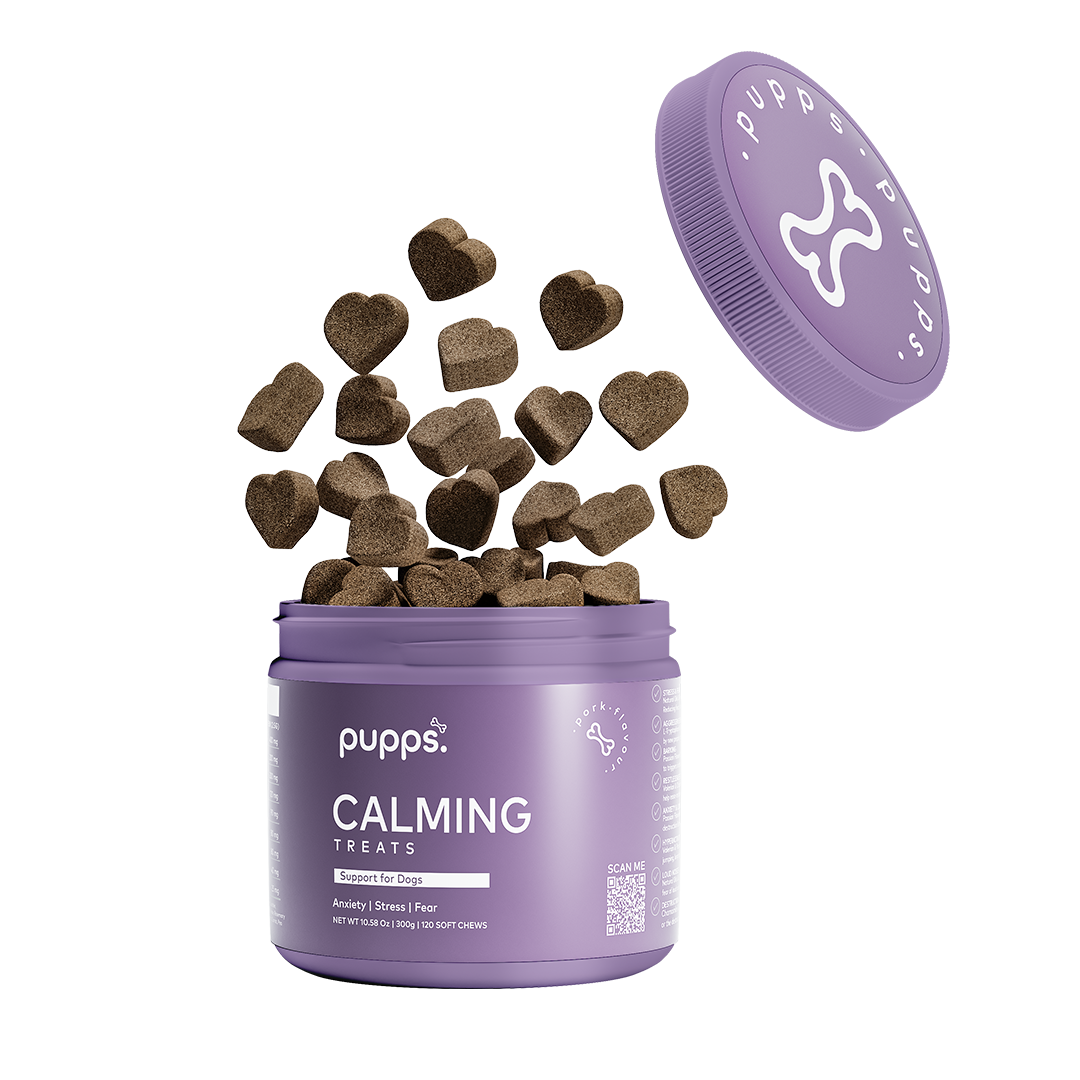
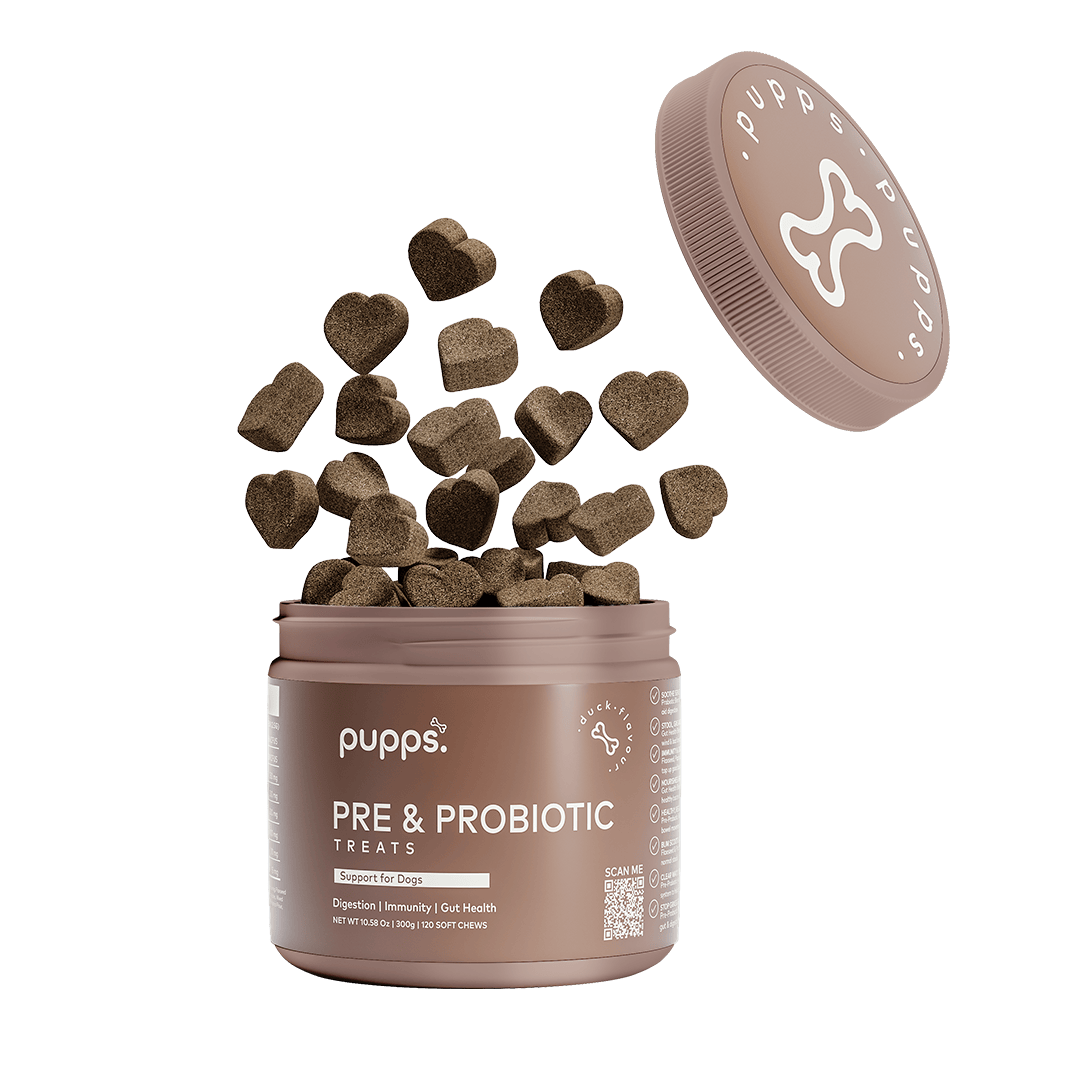
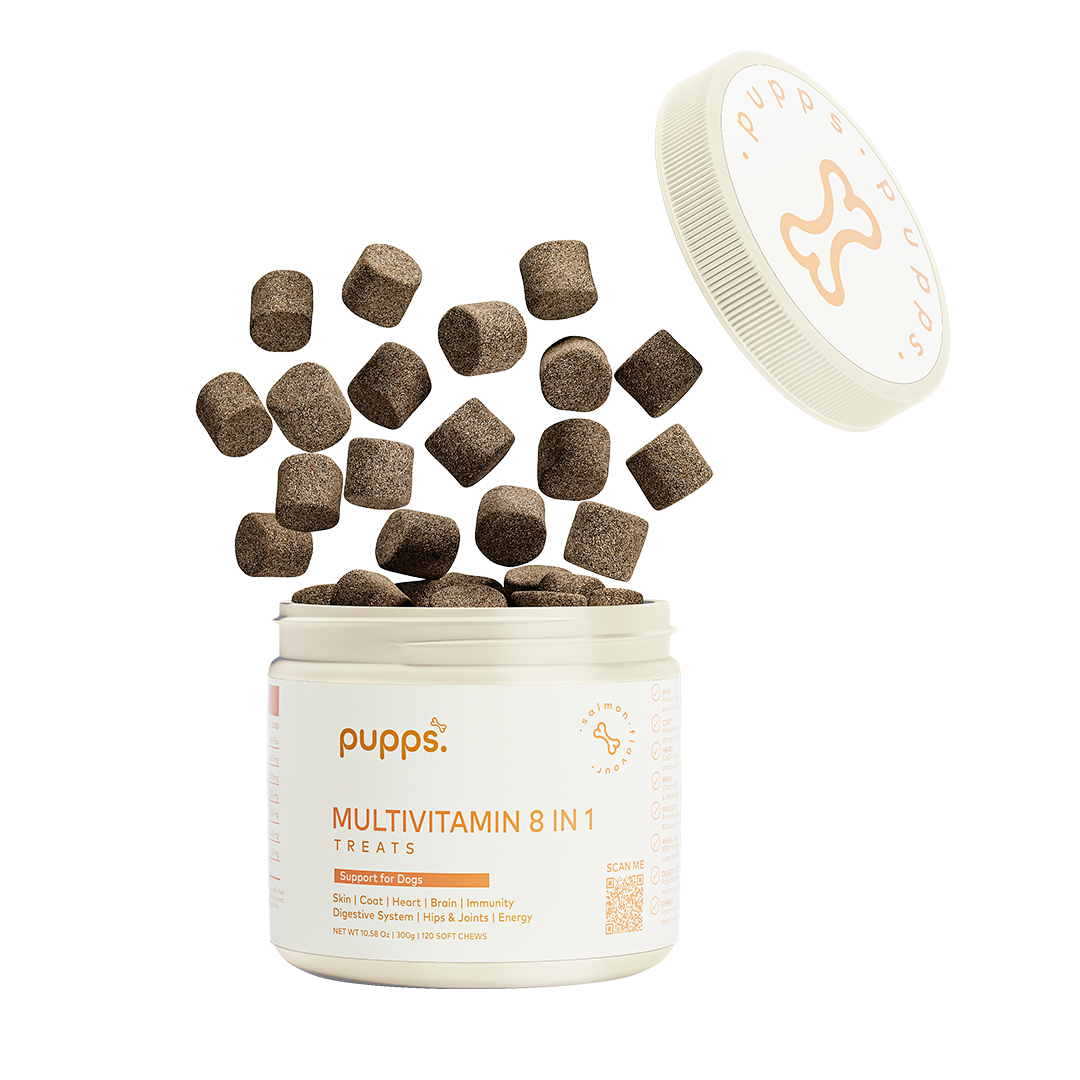
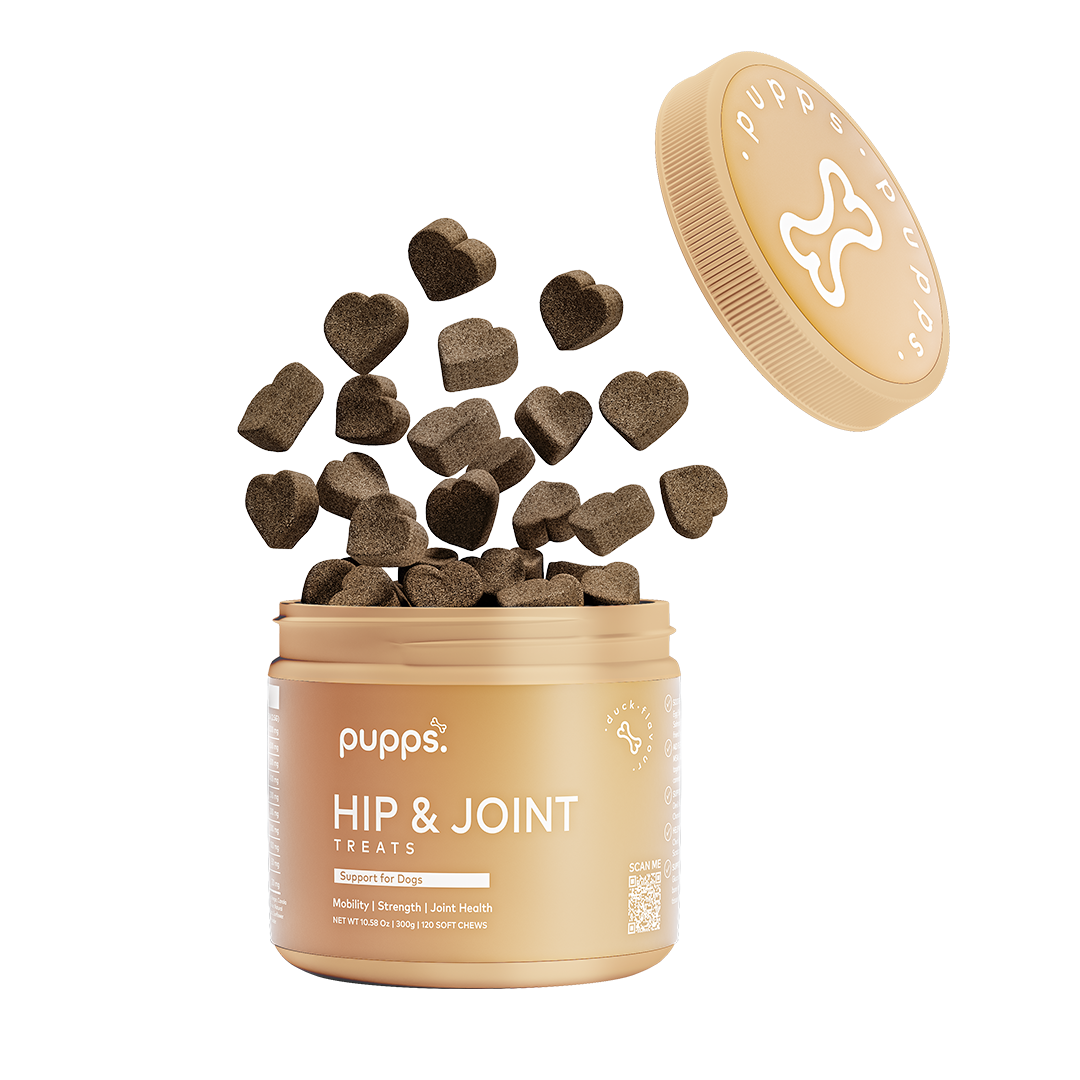
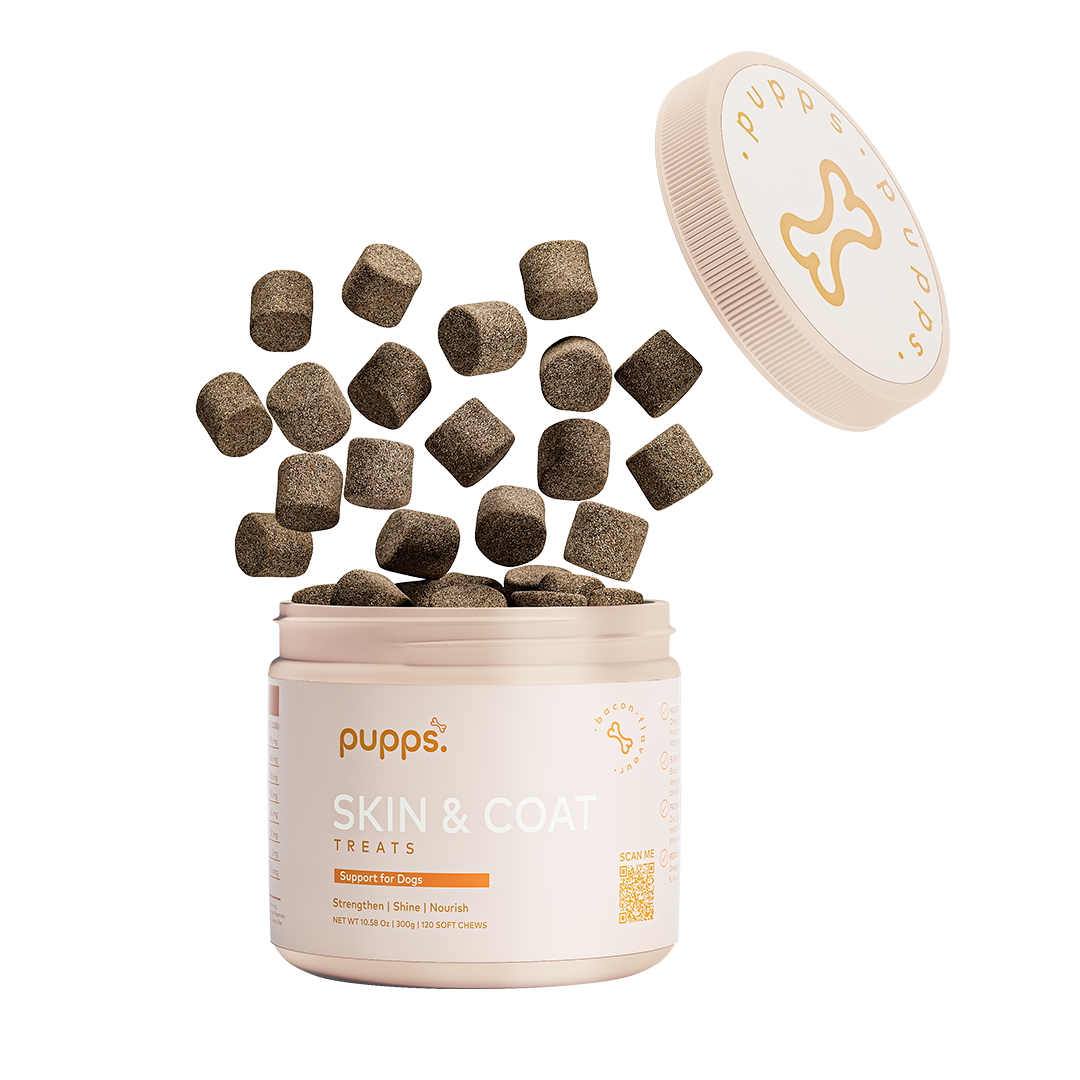

We spend a great deal of time and money on the outside of our dogs — shampoos, conditioners, brushes and regular grooming appointments. All of that is worthwhile, of course. But if your dog has dull fur, persistent dandruff, dry or itchy skin, or a coat that never quite seems to shine however well you groom it, external treatments alone will only go so far.
The truth is that skin and coat quality in dogs is primarily determined from the inside. The health of the skin — the body's largest organ — depends on a continuous supply of specific nutrients to maintain its structure, support its immune function and fuel the constant renewal of skin cells and hair follicles. When those nutrients are in good supply, the skin and coat tend to thrive. When they're lacking, the signs show up on the surface.
This guide covers exactly what drives skin and coat health in dogs, which nutrients matter most, and how to support your dog's skin from the inside out — alongside, rather than instead of, good external grooming care.
Why Skin and Coat Health Matters Beyond Aesthetics
A glossy, soft coat is certainly a pleasure to stroke and a sign of a healthy-looking dog. But the skin's importance goes far beyond appearance. Your dog's skin is their primary physical barrier against the outside world — it keeps bacteria, allergens, parasites and environmental toxins out, and keeps moisture and heat in. When the skin barrier is compromised, all of these protective functions are weakened.
This has real consequences. A dog with a compromised skin barrier is more vulnerable to infections, more susceptible to allergens penetrating the skin and triggering an immune response, and more likely to experience chronic itching and discomfort. Skin problems are one of the most common reasons UK dog owners visit the vet — and a great many of them have a nutritional component.
The Key Nutrients for Healthy Dog Skin and Coat
Omega-3 Fatty Acids: The Foundation
If there's a single nutritional factor that consistently makes the most difference to skin and coat health, it's omega-3 fatty acids — specifically EPA (eicosapentaenoic acid) and DHA (docosahexaenoic acid) from marine sources.
These long-chain fatty acids are incorporated directly into the cell membranes of skin cells, where they maintain flexibility and permeability. A skin cell membrane rich in omega-3s retains moisture more effectively, responds to inflammation less intensely, and supports healthy barrier function. The result, with consistent supplementation, is typically softer, less dry skin, reduced itching, and a noticeably shinier coat.
Omega-3s also modulate the immune response — they help calm the kind of overactive immune reaction that drives itching and skin inflammation in allergic dogs. This is why omega-3 supplementation is recommended not just for general coat quality but specifically for dogs with environmental allergies, atopic dermatitis and chronic skin conditions.
Most commercial dry dog foods contain very limited omega-3s from marine sources (they often use plant-based omega-3s instead, which have much lower bioavailability for dogs). Supplementation is therefore relevant for the majority of dogs, not just those with obvious skin problems.
Biotin (Vitamin B7)
Biotin is a B vitamin with a specific role in the health of skin, coat and nails. It's involved in the metabolism of fatty acids and is essential for the production of keratin — the structural protein that makes up hair. Biotin deficiency in dogs can cause scaly, crusty skin, a dull and brittle coat, and hair loss. Whilst outright deficiency is relatively uncommon in dogs eating complete food, optimal biotin levels for skin and coat quality may be higher than the minimum required to prevent deficiency.
Zinc
Zinc is an essential mineral with a surprisingly broad role in skin health — it's involved in skin cell production, wound healing, immune function in the skin, and the metabolism of fatty acids that support the skin barrier. Zinc-responsive skin disease is a recognised condition in certain breeds (particularly Siberian Huskies and Alaskan Malamutes), but mild zinc insufficiency can affect skin and coat quality across all breeds. Zinc is also required for the proper metabolism of vitamin A, another key skin-support nutrient.
Vitamin A
Vitamin A (and its precursor beta-carotene) plays an important role in the growth and differentiation of skin cells and hair follicles. Both deficiency and excess can cause skin problems — vitamin A is a fat-soluble vitamin that accumulates in the body, so dosing matters. This is one of the reasons why a purpose-made, appropriately dosed supplement is preferable to guessing at supplementation with individual nutrients.
Vitamin E
Vitamin E is a potent fat-soluble antioxidant that protects skin cell membranes from oxidative damage — particularly relevant in the presence of inflammation or high UV exposure. It also works synergistically with omega-3 fatty acids: as omega-3 levels in skin cells increase, vitamin E is needed to protect those fatty acids from oxidation. This is why quality skin supplements tend to include both.
The Gut-Skin Connection: Why Gut Health Affects Your Dog's Coat
One of the most important — and often overlooked — influences on skin and coat health is the gut. The connection between gut health and skin health is so well-established that veterinary researchers now talk about the gut-skin axis as a defined biological pathway.
Here's why it matters: the gut lining acts as a selective barrier, allowing nutrients into the bloodstream whilst keeping harmful substances out. When the gut microbiome is out of balance (dysbiosis), the gut lining can become more permeable — allowing inflammatory compounds to enter the circulation and drive inflammation elsewhere in the body, including the skin. This is one of the mechanisms behind chronic skin conditions that seem unresponsive to topical treatments alone.
Supporting the gut microbiome with pre and probiotic supplementation can therefore have a direct, positive effect on skin health. Many owners who begin using Pupps Pre & Probiotic Treats alongside Skin & Coat Treats notice improvements in their dog's skin and coat that are more significant than either supplement alone produces — because they're addressing both the gut foundation and the direct skin nutrition simultaneously.
External Factors That Affect Skin and Coat Health
Whilst nutrition is the primary driver of skin and coat health from within, several external factors also play a role and are worth considering alongside a nutritional approach:
Bathing frequency and products
Over-bathing strips the skin's natural oils and can worsen dryness and barrier function. For most dogs, a bath once a month (or as needed) with a gentle, dog-specific shampoo is sufficient. If your dog has a skin condition, your vet may recommend a medicated shampoo or a specific bathing protocol. Avoid human shampoos — the pH of human skin is different to dogs', and human products can disrupt the canine skin barrier.
Grooming habits
Regular brushing does more than just remove loose fur — it distributes the skin's natural oils through the coat, stimulates circulation in the skin, and allows you to spot any developing skin issues early. The frequency needed depends significantly on coat type: double-coated breeds and long-haired dogs need more frequent attention than short-haired breeds.
Environmental factors
Central heating in winter reduces indoor humidity and can dry the skin, particularly in dogs who spend most of their time indoors. Seasonal allergens (tree pollen in spring, grass pollen in summer) can trigger skin inflammation in sensitive dogs — for more on this, see our guide to spring allergies and dog itching.
Parasites
Fleas, mites and other parasites can cause significant skin irritation and secondary skin damage. Keeping parasite prevention up to date is a basic prerequisite for healthy skin — itching and scratching from any cause, including parasites, can damage the skin barrier and create entry points for secondary infection.
When to See Your Vet About Skin or Coat Concerns
Good nutrition and consistent grooming address many common skin and coat issues effectively. But there are times when a vet visit is the right step:
- Skin that is red, inflamed, weeping or showing signs of infection
- Hair loss that is patchy, extensive or accompanied by visible skin changes
- Itching that is severe enough to cause the dog to break their skin
- Skin lumps, lesions or unusual growths
- Skin problems that have been ongoing for more than a few weeks without improvement
- Any skin change accompanied by other symptoms — lethargy, appetite changes, digestive upset
Your vet can diagnose the underlying cause of persistent skin problems, which may include allergies, hormonal conditions, parasites, bacterial or fungal infections, or nutritional issues. Knowing the cause is essential for targeted treatment — and nutritional support works best as part of a comprehensive plan that addresses all relevant factors.
Building a Skin and Coat Support Routine
A practical, sustainable routine for supporting your dog's skin and coat health from the inside out might look like this:
- Daily: Targeted skin and coat supplement — Pupps Skin & Coat Treats provide omega-3 fatty acids, biotin, zinc and vitamin E in a convenient daily treat
- Daily: Consider adding probiotic support, particularly if your dog has concurrent digestive sensitivity or skin and gut symptoms together
- Weekly or as needed: Regular brushing appropriate to your dog's coat type
- Monthly or as needed: Gentle bathing with an appropriate dog shampoo
- Seasonally: Pay extra attention during spring and autumn when allergen loads and environmental changes can affect skin
- Ongoing: Monitor for any signs of skin issues and act early if something looks wrong
Consistency is the key word across all of this. Nutritional benefits to skin and coat health accumulate over weeks — you're unlikely to see dramatic results in three days, but most owners notice clear improvement in coat condition and skin comfort within four to six weeks of consistent supplementation.
Related reading
- Why is my dog itchy
- Why is my dog so itchy in summer
- Dog tear stains and how to help
- Canine yeast infection
Your dog's skin and coat is a reliable window into their overall health. When it looks and feels its best, it's usually a sign that what's happening on the inside is going well too. Explore the full range at pupps.com to find the right nutritional support for your dog.


Leave a comment
This site is protected by hCaptcha and the hCaptcha Privacy Policy and Terms of Service apply.