
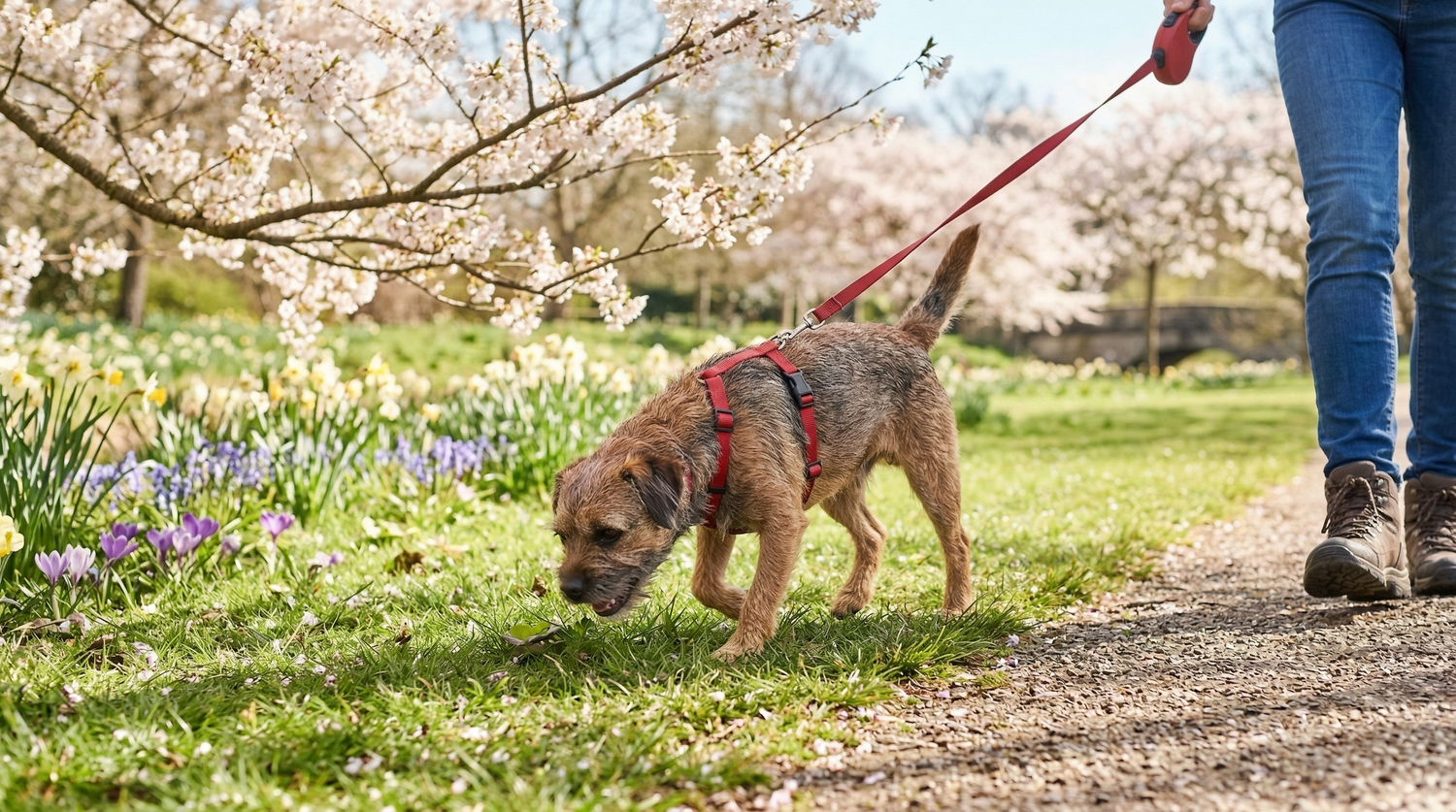
There's a particular energy that comes with the first proper week of March in the UK. The mornings get lighter a little earlier, the dog is clearly more enthusiastic about the morning walk, and the world gradually starts to feel like it's waking up again after the long grey months of winter.
It's also one of the best times of year to take stock of your dog's health and give their care routine a seasonal refresh. Winter can take a toll — reduced exercise, more time indoors, central heating drying out skin, less sunlight — and spring brings a fresh set of considerations, from the beginning of pollen season to the return of fleas and ticks.
This checklist covers ten practical things every UK dog owner should address as spring arrives. Some are one-off actions, others are habits worth building into your routine. Together, they set your dog up for a healthy, comfortable season ahead.
1. Book Your Annual Vet Check-Up
If your dog hasn't had a check-up since last spring, the beginning of March is a natural prompt to book one. An annual health assessment allows your vet to pick up any changes in condition, weight, dental health, heart and lung function, and general wellbeing that might not be obvious at home. It's also an opportunity to discuss any concerns you've had over winter and to ensure vaccinations and parasite treatments are up to date.
Many people wait until something is visibly wrong to take their dog to the vet — but the real value of regular check-ups is catching things before they become significant problems. Prevention is almost always easier and less expensive than treatment.
2. Review Your Parasite Prevention Plan
Fleas, ticks and lungworm are all significantly more active from spring onwards. Ticks in particular start appearing in earnest from around March in the UK, particularly in grassland, moorland and wooded areas. A tick carrying Lyme disease can transmit the infection within 24-48 hours of attachment — which is why regular tick checking after walks and consistent tick prevention is particularly important.
Check with your vet that your current flea, tick and worming treatments are appropriate, up to date, and being administered correctly. The type of prevention that's most appropriate depends on your dog's lifestyle, the areas you walk in, and whether they have contact with wildlife or other dogs. If you've had issues with resistance to a particular product, it's worth discussing alternatives.
3. Prepare for Allergy Season
Tree pollen season starts in earnest in March in the UK, with willow, elm, birch, poplar and alder all releasing significant quantities of pollen as the weather warms. For dogs with environmental allergies, this is the time to get ahead of symptoms rather than react to them.
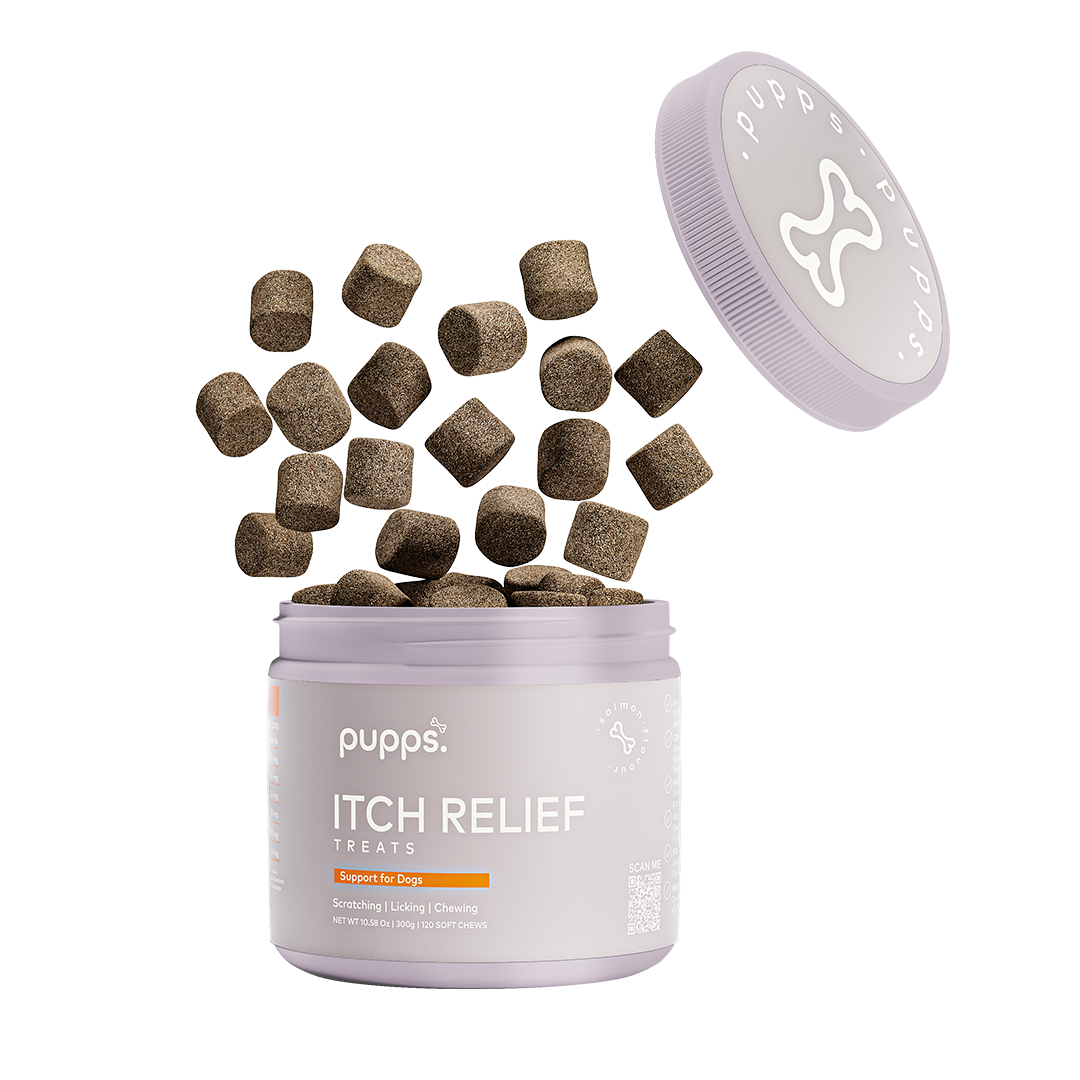
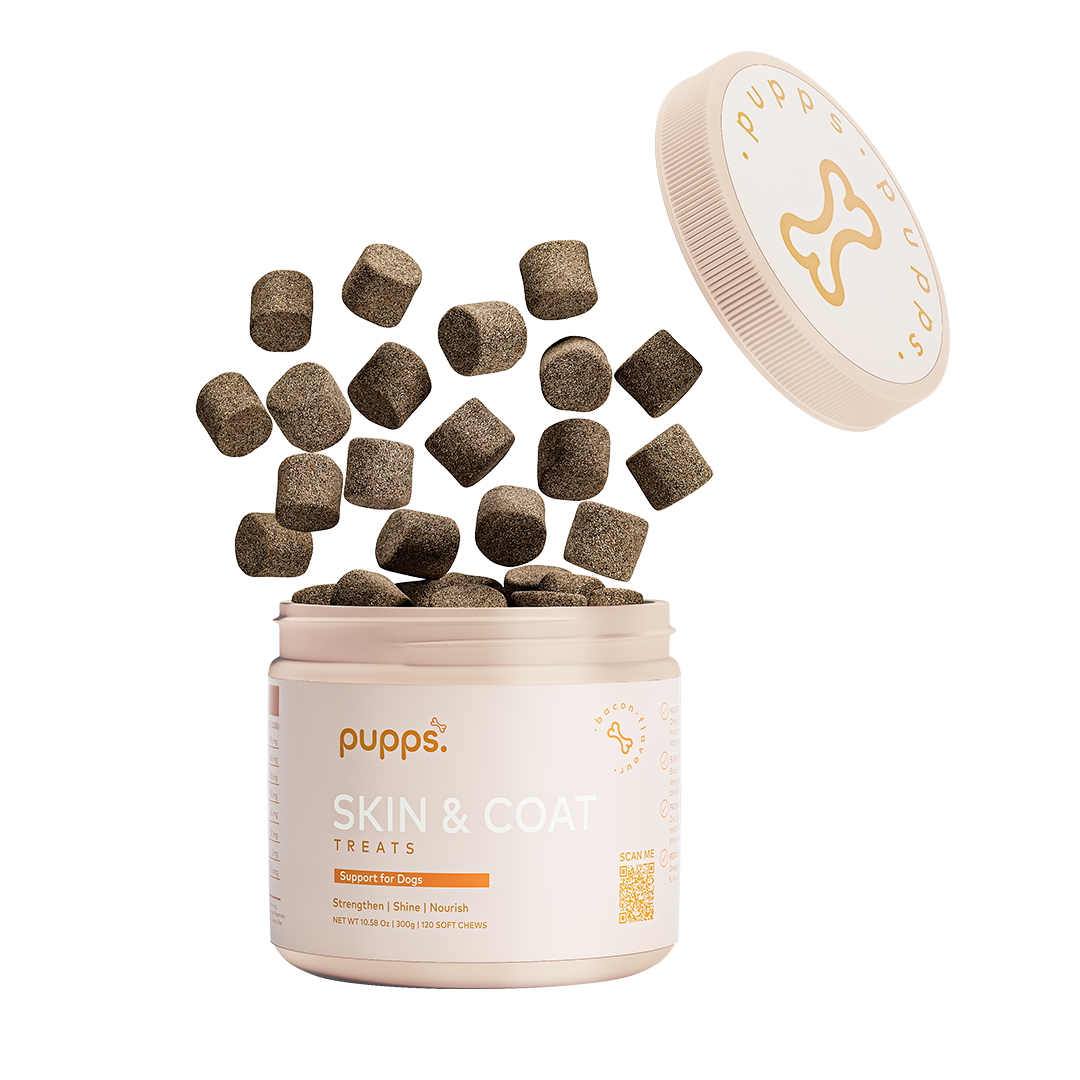
If your dog has shown signs of seasonal allergies in previous years — excessive paw licking, itching, recurring ear infections, red skin — starting targeted skin support before the symptoms peak makes management significantly easier. Pupps Itch Relief Treats provide targeted nutritional support for skin barrier function and immune modulation, and are most effective when used consistently rather than only during acute flares.
Starting now, before the season is in full swing, puts you in a much stronger position. For a full guide to managing spring allergies in dogs, see our article on why dogs itch more in spring.
4. Assess Your Dog's Weight After Winter
Winter often means shorter, less vigorous walks and potentially more treats as we all hunker down at home. The result for many dogs is a few extra pounds by March — and excess weight is one of the most significant factors in joint health, cardiovascular health, and overall longevity.
You should be able to feel your dog's ribs without pressing hard, but shouldn't be able to see them from a distance. From above, your dog should have a visible waist. If you're not sure whether your dog is at a healthy weight, your vet can give you a body condition score at the next check-up.
Spring is a natural time to gradually increase walk duration and intensity as the weather improves — which is the most sustainable and enjoyable way to help a dog who's carried a little extra weight through winter.
5. Refresh Their Bedding and Indoor Environment
Dog bedding accumulates dust mites, pollen, shed skin cells and bacteria over the winter months. Spring is a good time to give everything a thorough wash in hot water (60°C kills dust mites effectively), and to consider whether an ageing bed needs replacing with something more supportive.
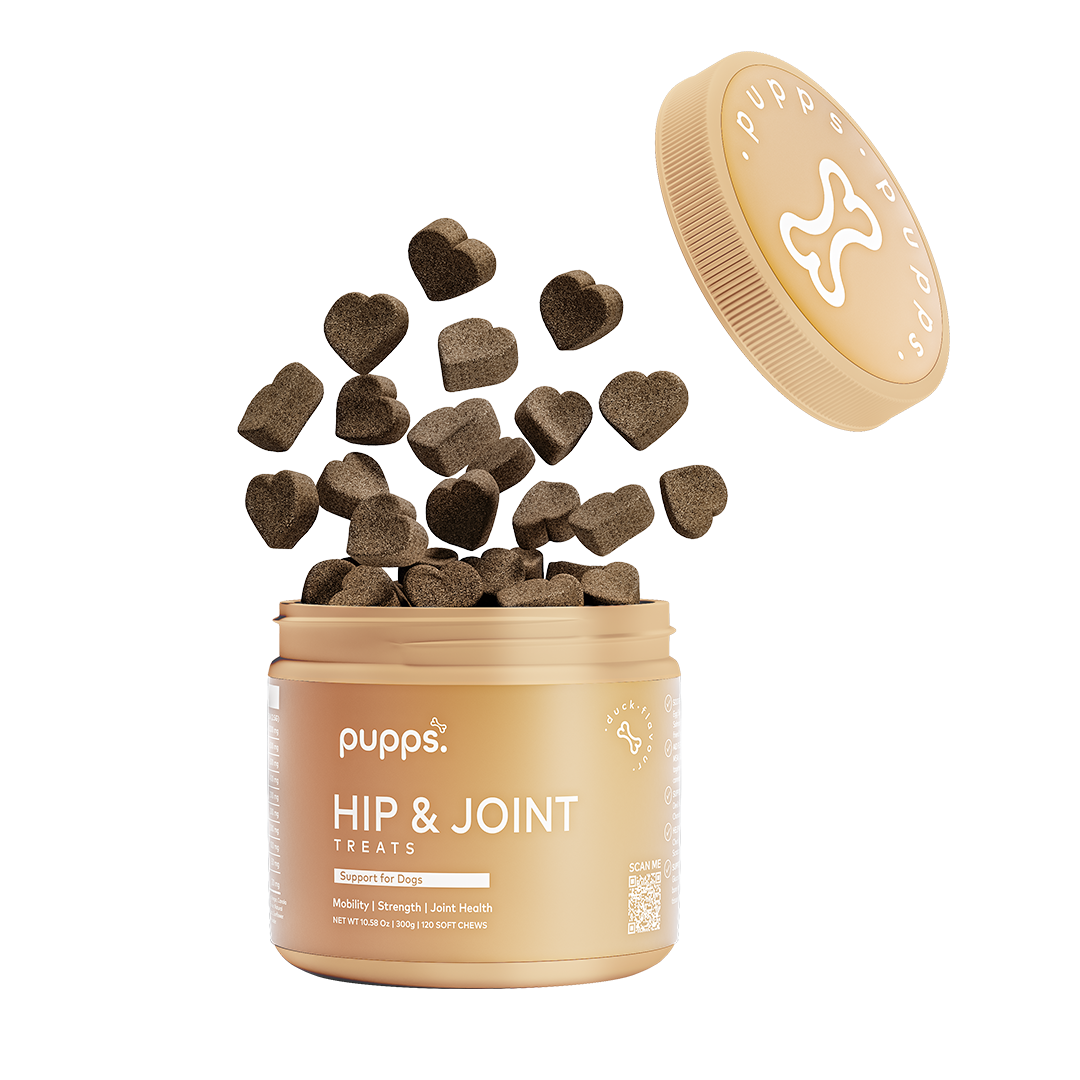
For older dogs or dogs with joint issues, an orthopaedic memory foam bed makes a genuine difference to comfort and recovery from exercise — particularly relevant as walks start to get longer and more varied in spring. If your senior dog has been stiff through winter, this is worth considering alongside joint supplementation with Pupps Hip & Joint Treats.
Airing the house regularly as temperatures allow also helps reduce indoor allergen loads — particularly important for dogs with dust mite or mould sensitivities.
6. Check Their Dental Health
Dental disease is one of the most common — and most overlooked — health issues in adult dogs. By the time a dog is three years old, the majority have some degree of dental disease, which can cause chronic pain, affect appetite, and in more advanced cases, contribute to problems in other organs through bacterial spread via the bloodstream.
Take a look inside your dog's mouth. Healthy gums are pink and firm. Healthy teeth are white or cream-coloured without heavy brown tartar buildup. Bad breath (beyond normal "dog breath") is a sign of dental disease. If you see heavy tartar, inflamed gums, or loose teeth, a dental assessment by your vet is needed.
If your dog's teeth look reasonably healthy, now is a good time to start or recommit to a daily tooth-brushing routine using a dog-specific toothpaste — the most effective form of dental disease prevention available.
7. Re-Evaluate Their Nutrition and Supplements
Dogs' nutritional needs change throughout their life and in response to changing conditions. Spring is a good time to step back and ask: is my dog getting everything they need right now?
Consider their current life stage — have they moved from young adult to mature adult, or mature adult to senior this year? Have they gained or lost significant weight? Do they have any health conditions that might affect their nutrient requirements?
For dogs who aren't already on a targeted supplement regime, spring is a particularly good time to introduce:
- Skin support (omega-3 based) ahead of allergy season
- Joint support for older or larger breeds who may have stiffened over winter
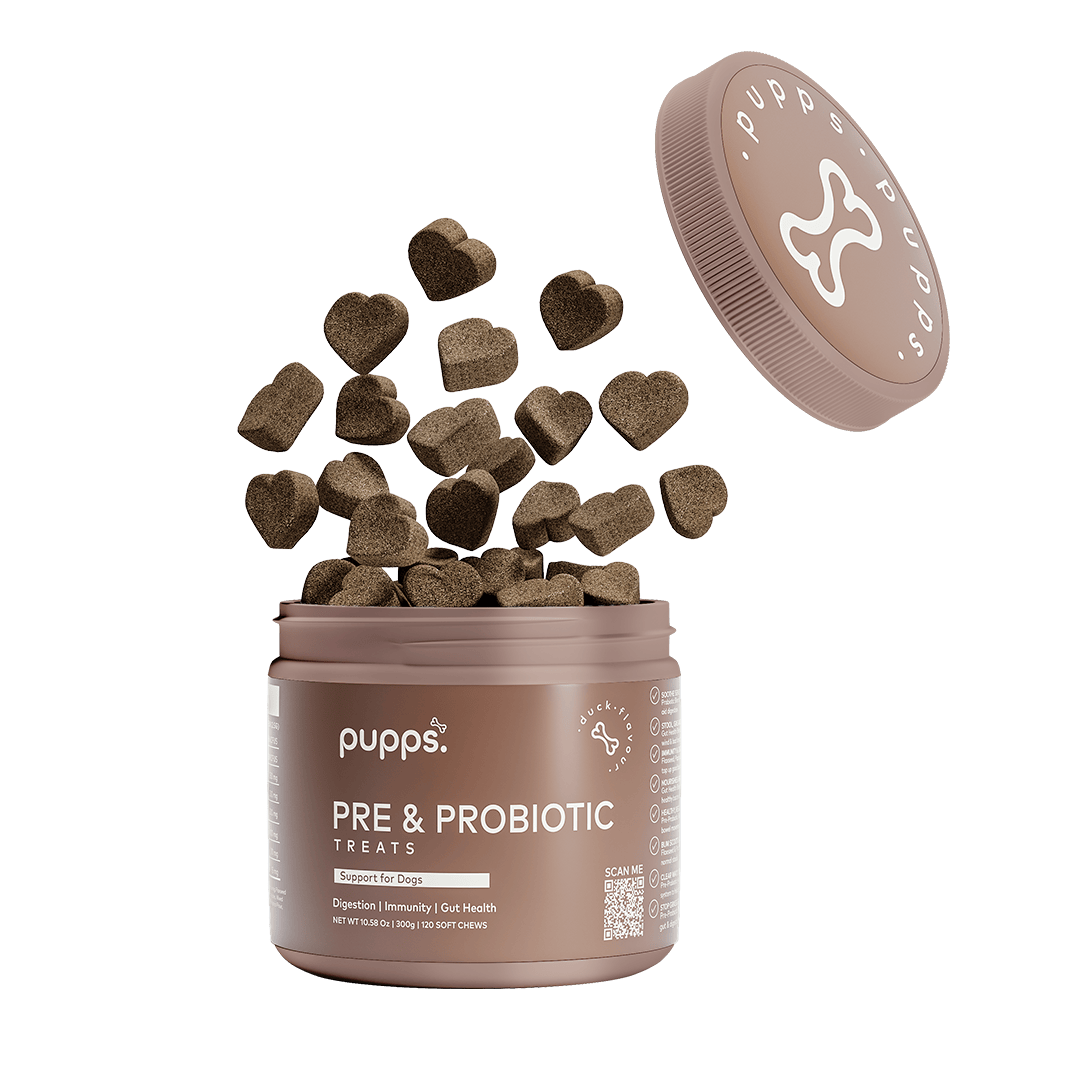
- Digestive support if their gut health has been variable
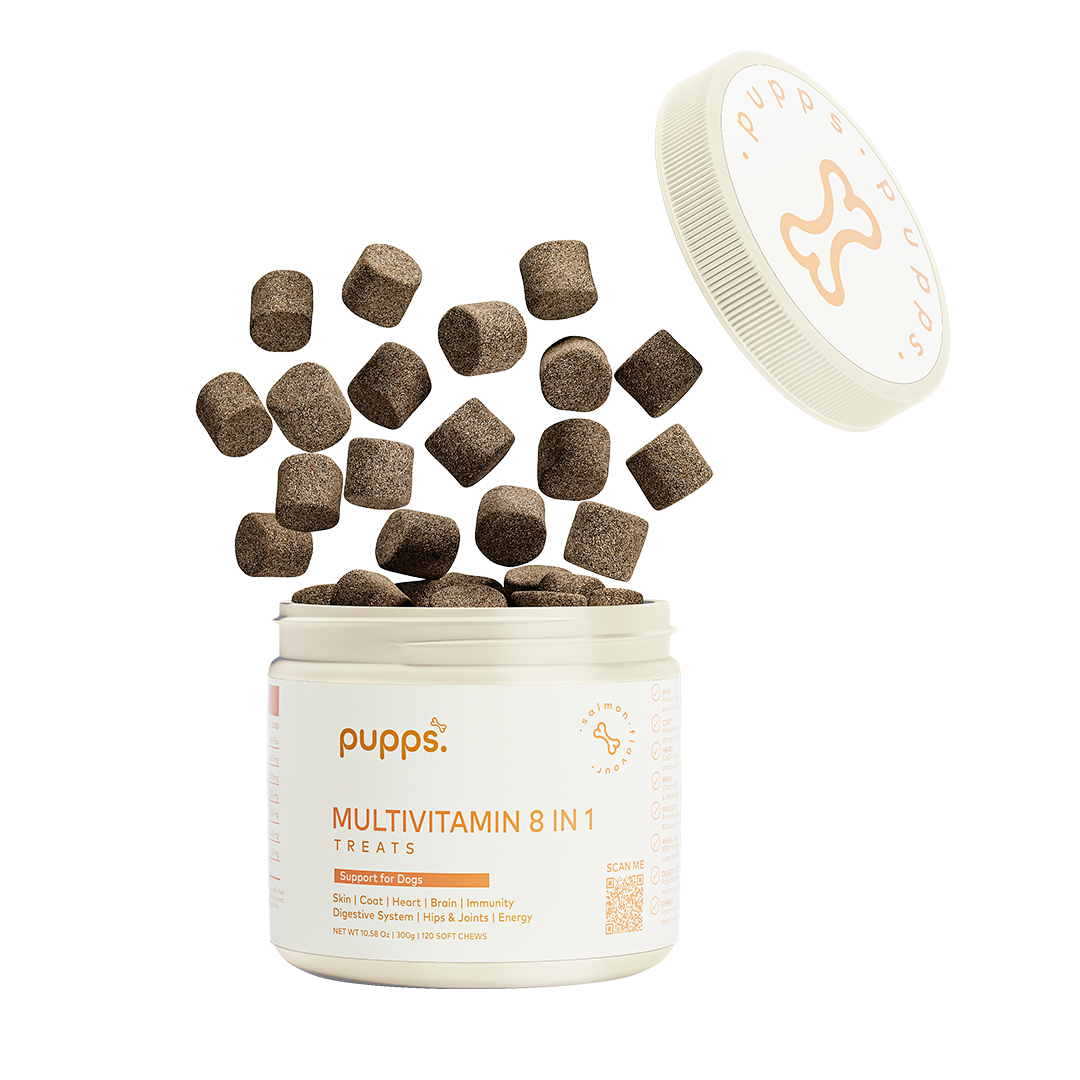
- A broad multivitamin if they have a less varied diet or are at a demanding life stage
Pupps offers a range of targeted functional treats addressing each of these areas — formulated specifically for UK dogs and designed to be given alongside regular food as part of a comprehensive daily health routine.
8. Update Their ID and Microchip Details
Spring and summer, with longer days, more open windows and doors, and more time spent in gardens and parks, bring higher rates of dogs going missing. This is a practical spring prompt: check that your dog's microchip details are up to date (including your current address and phone number), that their collar tag is legible and securely attached, and that your contact details on any dog walking or boarding services you use are current.
In the UK, microchipping is a legal requirement for all dogs over eight weeks of age. But a microchip only helps if the registered details are accurate — and many people forget to update them after moving house.
9. Review Their Exercise Routine and Recall Training
Spring naturally prompts longer, more adventurous walks — and that means more off-lead time, more exciting distractions, and for some dogs, more opportunities to test their recall. If your dog's recall has become a little rusty over the lower-energy winter months, now is a great time to build it back up with some consistent reinforcement practice before the busier spring and summer walking season begins in earnest.
For dogs starting to exercise more after a quieter winter, it's also worth building up duration and intensity gradually rather than going from short winter walks to long hilly adventures overnight. This is particularly relevant for older dogs — their joints and muscles need time to recondition, and a sudden increase in exercise can trigger soreness. Pupps Hip & Joint Treats provide useful support for dogs increasing their activity levels, supporting the joints through the transition.
10. Connect With Your Dog's Mental Wellbeing
Spring naturally brings more opportunities for enrichment — different smells, new sights, more interaction with other dogs and people during walks. Dogs are highly attuned to the changing of the seasons, and the increased sensory richness of spring is genuinely stimulating for them.
Make the most of this by varying your routes, allowing more time for sniffing (which is far more mentally tiring and rewarding for dogs than we often appreciate), and trying something new — a different type of walk, a new class, or a dog-friendly day out.
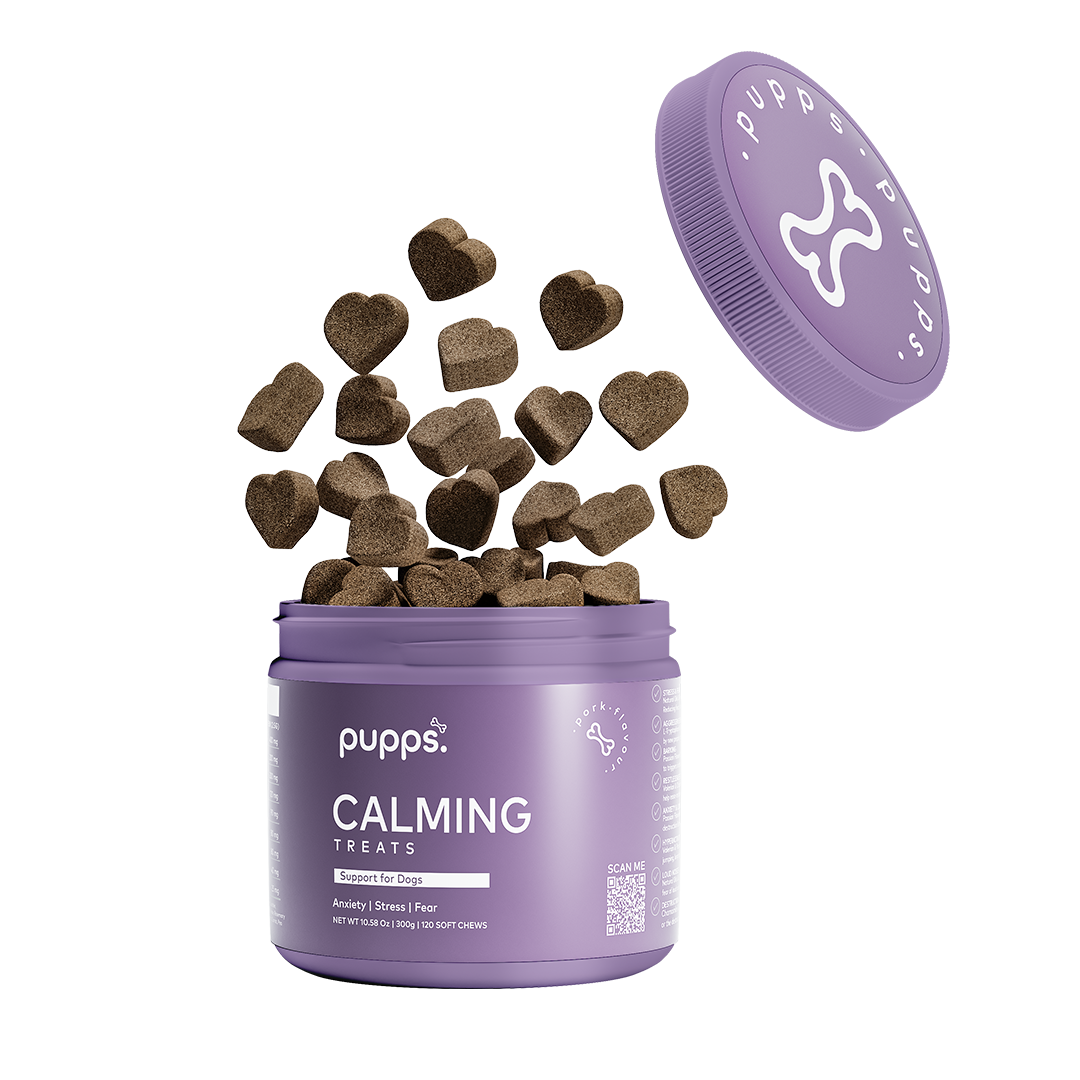
For dogs who struggled with anxiety through the darker winter months — or who are approaching the fireworks period with trepidation — building positive experiences and a strong sense of security in spring lays important foundations for resilience later in the year. Consistent use of Pupps Calming Treats during periods of heightened stress can support nervous system regulation and make those positive experiences easier for sensitive dogs to access.
Spring Forward Together
Working through this checklist doesn't have to happen all at once. Pick the items that feel most relevant to your dog right now, and build the rest in over the coming weeks. The goal isn't perfection — it's a thoughtful refresh that sets both of you up for the best possible spring and summer together.
Longer days, more walks, warmer evenings, the particular delight of a dog discovering grass that's suddenly full of new smells. Spring with a dog is a genuine joy, and a little proactive care in March makes the whole season better for both of you.
Explore the full range of Pupps functional treats at pupps.com — and find the right nutritional support to keep your dog healthy, comfortable and thriving all year round.


Leave a comment
This site is protected by hCaptcha and the hCaptcha Privacy Policy and Terms of Service apply.