

If you've ever watched your beloved dog scratching incessantly, only to discover there's not a flea in sight, you're certainly not alone. This puzzling scenario affects countless UK dog owners, leaving them frustrated and their furry friends uncomfortable. Whilst fleas are often the first culprit that springs to mind when our dogs start scratching, the reality is far more nuanced. In fact, persistent itching without fleas is one of the most common reasons dog owners visit their vets in the UK.
Understanding why your dog is scratching despite being flea-free is crucial for providing the right care and relief. In this comprehensive guide, we'll explore the various causes of canine itching, from environmental allergies to dietary sensitivities, and provide you with actionable steps to help your dog find relief.
Why We Automatically Think It's Fleas (And Why That's Often Wrong)
It's completely understandable that most dog owners immediately suspect fleas when their pet starts scratching. For generations, fleas have been synonymous with dog itching, and they remain a common problem, particularly during the warmer months. However, this knee-jerk assumption can actually delay proper diagnosis and treatment.
The truth is that dogs can itch for dozens of reasons, many of which are actually more common than flea infestations—especially if you're already using regular flea prevention. Modern flea treatments are remarkably effective, meaning that if your dog is on a preventative regime and still scratching, you should absolutely be looking beyond fleas for the answer.
Common Non-Flea Causes of Dog Itching
1. Environmental Allergies (Atopic Dermatitis)
Environmental allergies, medically known as atopic dermatitis, are one of the leading causes of chronic itching in dogs. Just like humans can develop hay fever, dogs can become sensitive to various environmental allergens present in their surroundings.
Common environmental triggers include:
- Pollen from grass, trees, and weeds
- Dust mites (particularly prevalent in UK homes with carpeting and soft furnishings)
- Mould spores (more common in damp British weather)
- Storage mites found in pet food
- Household cleaning products and air fresheners
Dogs with environmental allergies typically show symptoms in specific areas: their paws (which they'll lick excessively), face, ears, armpits, and groin. You might notice your dog rubbing their face on the carpet or furniture, or constantly chewing at their feet. Unlike food allergies, environmental allergies often have a seasonal component, though in the UK's damp climate, issues like dust mites and mould can cause year-round symptoms.
The challenge with environmental allergies is that they're often cumulative—your dog might be fine when exposed to one or two allergens but reaches an "itch threshold" when multiple triggers are present simultaneously.
2. Food Sensitivities and Allergies
Food sensitivities can develop at any age and to ingredients your dog has eaten without issue for years. True food allergies involve an immune response, whilst food sensitivities or intolerances may cause similar symptoms through different mechanisms.
Common food allergens for dogs include:
- Chicken (surprisingly common, given its prevalence in dog food)
- Beef
- Dairy products
- Wheat and other grains
- Eggs
- Soy
Unlike environmental allergies, food-related itching tends to be consistent year-round and often affects the ears, paws, rear end, and face. Many dogs with food sensitivities also experience gastrointestinal symptoms such as soft stools, increased flatulence, or occasional vomiting alongside their skin issues.
If you suspect food sensitivities, it's worth noting that "grain-free" isn't automatically better—many dogs are actually allergic to the protein source rather than grains. A proper elimination diet, conducted under veterinary guidance, is the gold standard for identifying food triggers.
3. Dry Skin
The UK's climate presents unique challenges for canine skin health. Our combination of central heating during winter months and variable humidity levels throughout the year can wreak havoc on your dog's skin barrier. Just as humans experience dry, flaky skin in winter, dogs suffer similarly—they just can't tell us about it directly.
Signs your dog has dry skin:
- Flaky, dandruff-like patches in their coat
- Dull, brittle fur lacking its usual shine
- Increased scratching, particularly after coming in from cold weather
- Tight, drawn-looking skin that lacks elasticity
- Visible irritation or redness in extreme cases
Dry skin compromises the skin's natural barrier function, making it more susceptible to irritants and allowing allergens to penetrate more easily. This creates a vicious cycle where scratching further damages the skin barrier, leading to more irritation and more scratching.
4. Seasonal Patterns and Their Impact
The British climate means our dogs face different challenges throughout the year. Understanding these seasonal patterns can help you anticipate and manage your dog's itching more effectively.
Spring and Summer:
These months bring increased pollen counts, making life miserable for dogs with environmental allergies. Grass pollen is particularly problematic, as dogs walk directly through it and it clings to their coats and paws. You might notice your dog's symptoms worsen after walks through parks or fields.
Autumn:
Mould spores peak during autumn months, especially after rainfall. Fallen leaves create perfect conditions for mould growth, and dogs who love bounding through leaf piles may inadvertently expose themselves to significant amounts of mould allergens.
Winter:
Central heating dries out the air in our homes, leading to dry, itchy skin. Meanwhile, the cold, damp conditions outdoors can also affect skin health. Some dogs who seemed fine during summer suddenly start scratching when the heating comes on.
5. Compromised Skin Barrier Function
Your dog's skin acts as their first line of defence against the outside world. A healthy skin barrier keeps moisture in and irritants out, whilst an impaired barrier allows allergens and irritants to penetrate more easily, triggering inflammation and itching.
The skin barrier can become compromised through:
- Over-bathing or using harsh shampoos that strip natural oils
- Nutritional deficiencies, particularly in essential fatty acids
- Chronic inflammation from allergies
- Age-related changes in skin health
- Underlying health conditions
When the skin barrier is compromised, dogs become more reactive to substances that wouldn't normally bother them. Supporting skin barrier health is therefore crucial for managing chronic itching.
Why Proper Diagnosis Matters
Before you can effectively address your dog's itching, it's essential to identify the underlying cause. Whilst this article provides guidance, there's no substitute for professional veterinary advice, particularly if your dog's scratching is severe, causing wounds, or significantly impacting their quality of life.
Your vet can:
- Rule out parasites (not just fleas, but also mange mites or other parasites)
- Identify bacterial or yeast infections that often develop secondary to scratching
- Perform allergy testing if appropriate
- Examine skin scrapings under a microscope
- Recommend appropriate treatment strategies
Actionable Steps to Help Your Itchy Dog
1. Keep a Symptom Diary
Track when your dog scratches most, where they scratch, and any patterns you notice. This information is invaluable for identifying triggers and will help your vet make a more accurate diagnosis. Note weather conditions, recent walks, changes in diet, and anything else that might be relevant.
2. Address Environmental Factors
In your home:
- Hoover regularly to reduce dust mites and pollen
- Wash your dog's bedding weekly in hot water
- Consider using a dehumidifier in damp areas to reduce mould
- Choose fragrance-free, pet-safe cleaning products
- Use a humidifier during winter to combat dry air from central heating
After walks:
- Wipe your dog's paws and coat with a damp cloth to remove pollen and other allergens
- Consider a quick rinse (without shampoo) after particularly dusty or pollen-heavy walks
- Avoid walking through long grass during high pollen counts if your dog is sensitive
3. Optimize Bathing Practices
Whilst regular bathing can help remove allergens from your dog's coat, over-bathing can strip natural oils and worsen dry skin. Strike a balance:
- Bathe only when necessary (typically every 4-8 weeks for most dogs)
- Use a gentle, moisturising shampoo formulated for dogs
- Rinse thoroughly to remove all shampoo residue
- Consider a conditioning treatment to support skin barrier function
4. Review Your Dog's Diet
Even if you don't suspect food allergies, ensuring your dog receives optimal nutrition supports overall skin health:
- Choose high-quality food with named meat sources
- Ensure adequate omega-3 and omega-6 fatty acids in the diet
- Avoid frequent food changes, which can upset the digestive system
- Consider whether your dog's current protein source might be problematic
5. Support Skin and Immune Health from Within
Whilst addressing external factors is important, supporting your dog's skin health from within can make a significant difference. A healthy immune system and robust skin barrier are your dog's best defence against the various triggers that cause itching.
This is where targeted nutritional support can play a valuable role. Quality supplements formulated specifically for skin and immune health can provide concentrated doses of beneficial ingredients that may be difficult to obtain in adequate amounts from diet alone.
The Role of Supplements in Managing Itchy Skin
Modern veterinary nutritional science has identified specific nutrients and compounds that support skin barrier function and help modulate the immune system's response to allergens. These include:
Omega-3 fatty acids: Essential for maintaining skin barrier integrity and reducing inflammatory responses. EPA and DHA, found in fish oils, are particularly beneficial.
Antioxidants: Vitamins C and E help protect skin cells from oxidative damage and support overall skin health.
Biotin: This B-vitamin plays a crucial role in maintaining healthy skin and coat.
Quercetin: Often called "nature's antihistamine," this flavonoid found in various plants may help reduce histamine release and inflammatory responses.
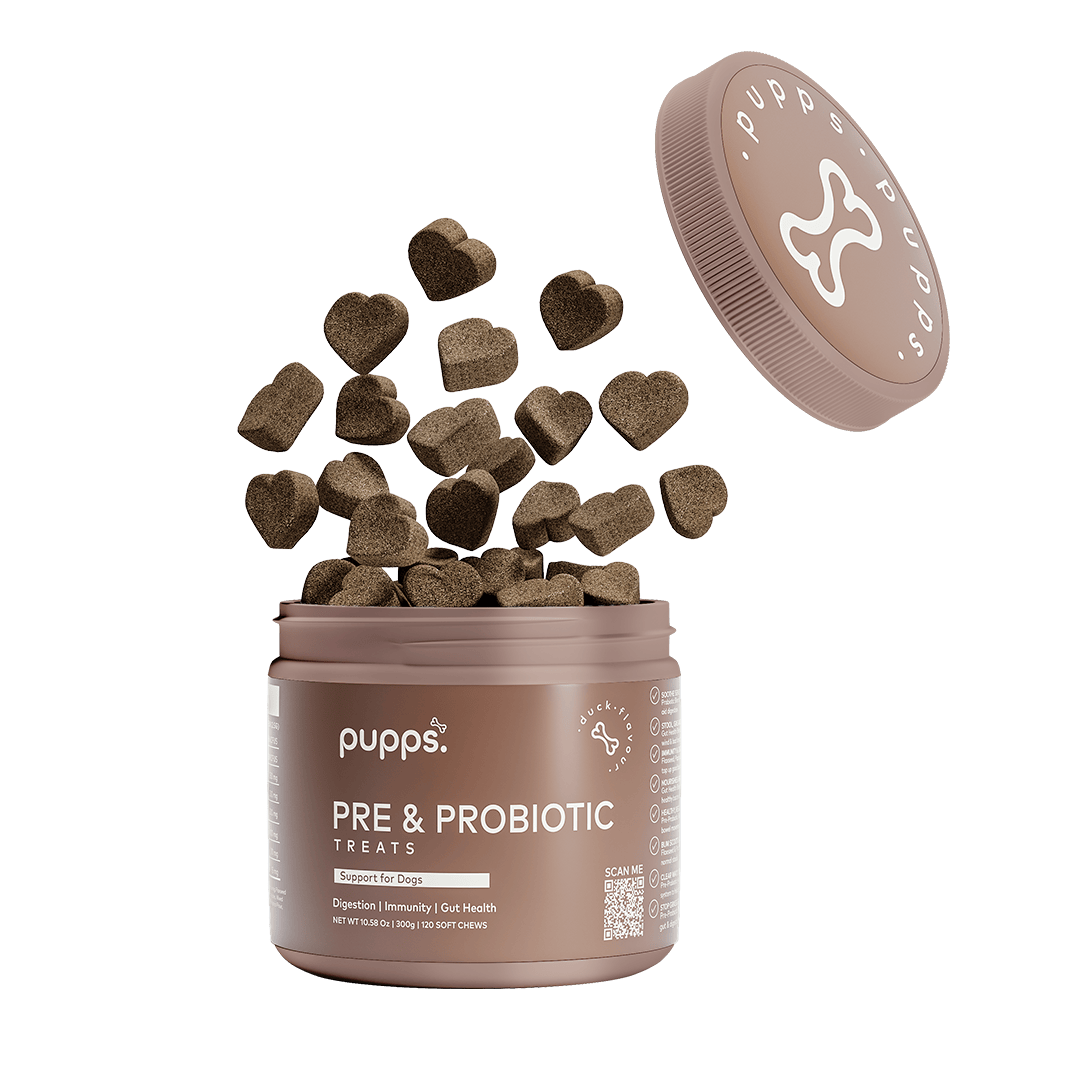
Probiotics: Supporting gut health can have surprising benefits for skin health, as much of the immune system resides in the digestive tract. Learn more about digestive health support for dogs.
How Pupps Products Can Help
For dog owners seeking an educational, evidence-based approach to supporting their dog's skin health, Pupps offers two complementary products worth considering:
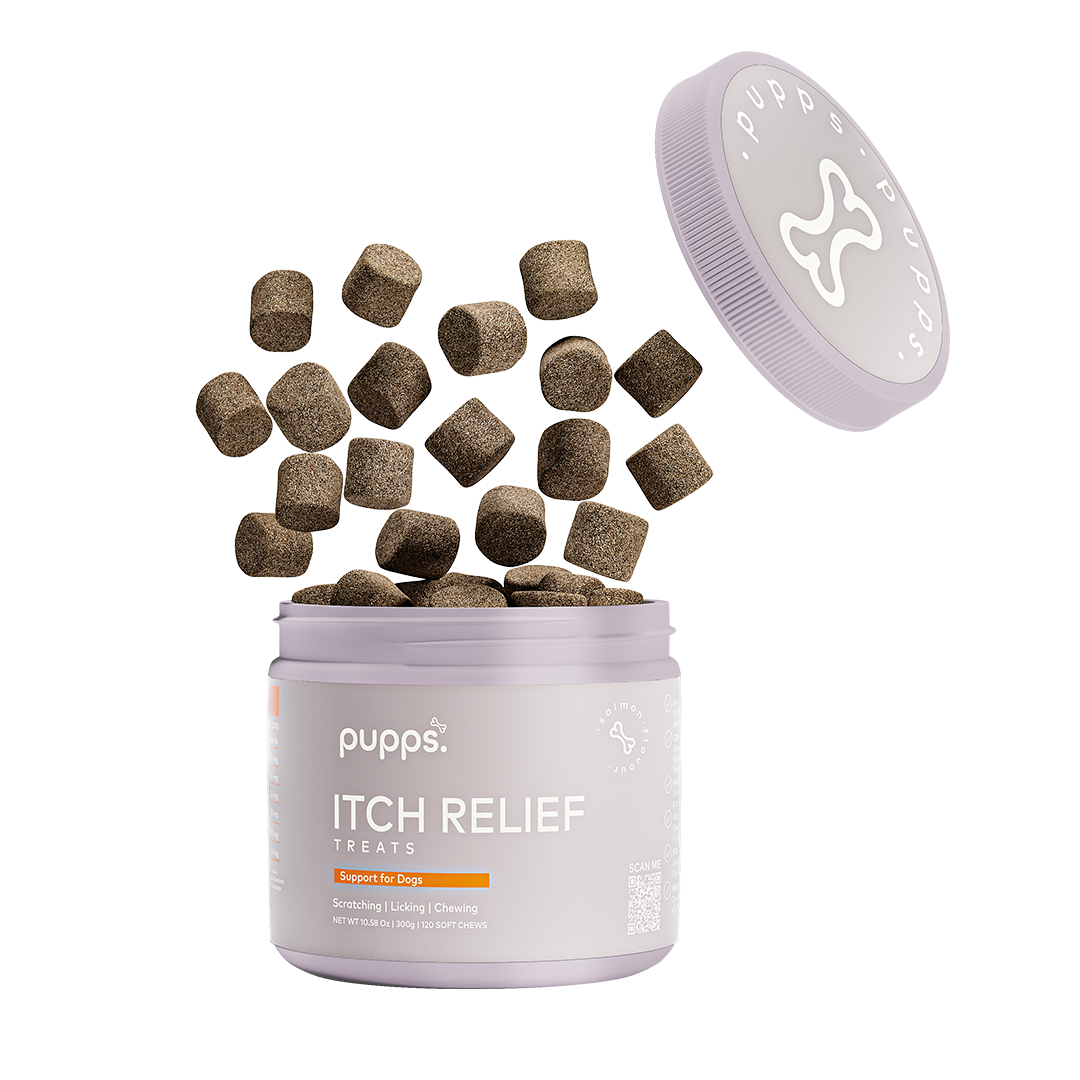
Pupps Itch Relief Treats are specifically formulated for dogs experiencing persistent scratching and discomfort. These treats contain a carefully selected blend of ingredients including omega-3 fatty acids, quercetin, and other compounds known to support skin health and help moderate immune responses. They're designed to work from the inside out, helping to address the underlying factors that contribute to itching rather than simply masking symptoms.
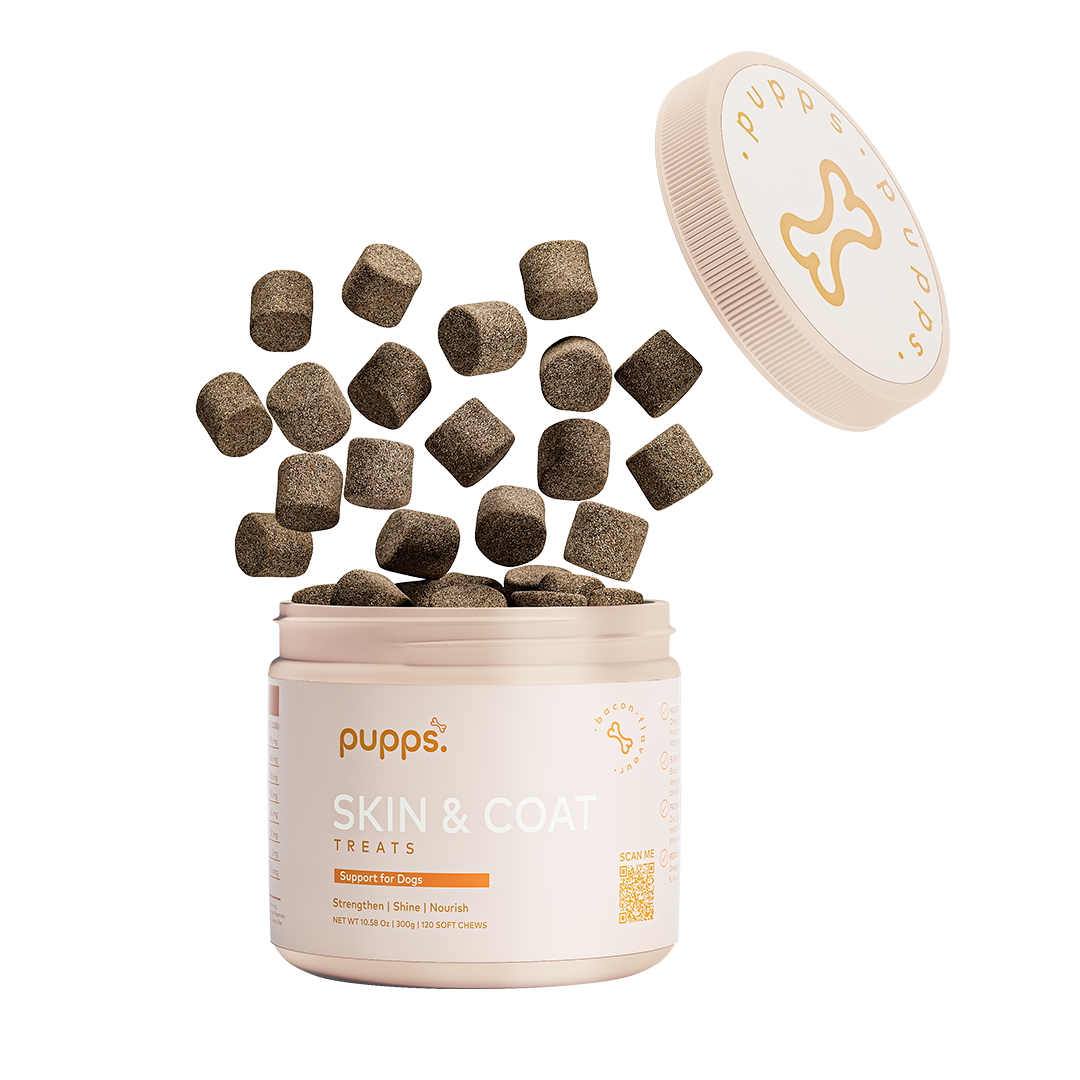
Pupps Skin and Coat Treats take a broader approach, focusing on overall skin barrier health and coat condition. These treats provide comprehensive nutritional support including biotin, essential fatty acids, and antioxidants that work together to strengthen the skin's natural defences. Maintaining a healthy skin barrier is crucial for preventing irritants and allergens from triggering itching in the first place.
Both products are made with natural ingredients and are designed to complement your dog's existing diet and any veterinary treatments. They represent a proactive approach to skin health—supporting your dog's natural defences rather than waiting for problems to escalate.
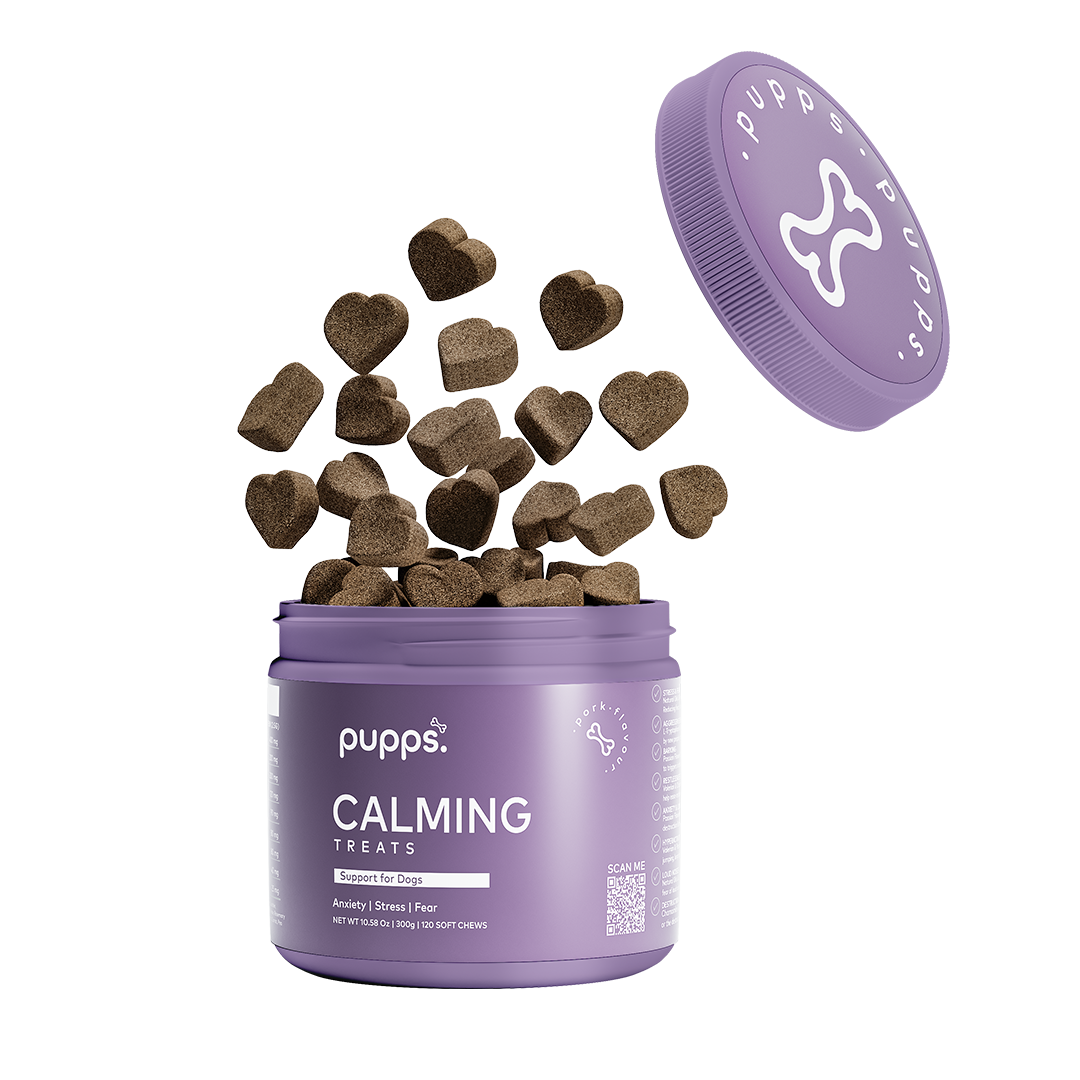
If your dog is experiencing stress or anxiety alongside their skin issues (as stress can worsen itching), you might also consider our Calming Treats, which help promote relaxation and may reduce stress-related scratching behaviours.
Creating a Comprehensive Management Plan
Successfully managing a chronically itchy dog requires a multi-faceted approach:
- Work with your vet to identify underlying causes and rule out infections or parasites
- Modify the environment to reduce exposure to known or suspected allergens
- Optimise nutrition through quality food and appropriate supplementation
- Maintain proper grooming practices that support rather than compromise skin health
- Monitor progress through your symptom diary and adjust strategies as needed
- Be patient – skin improvement takes time, often several weeks to see significant changes
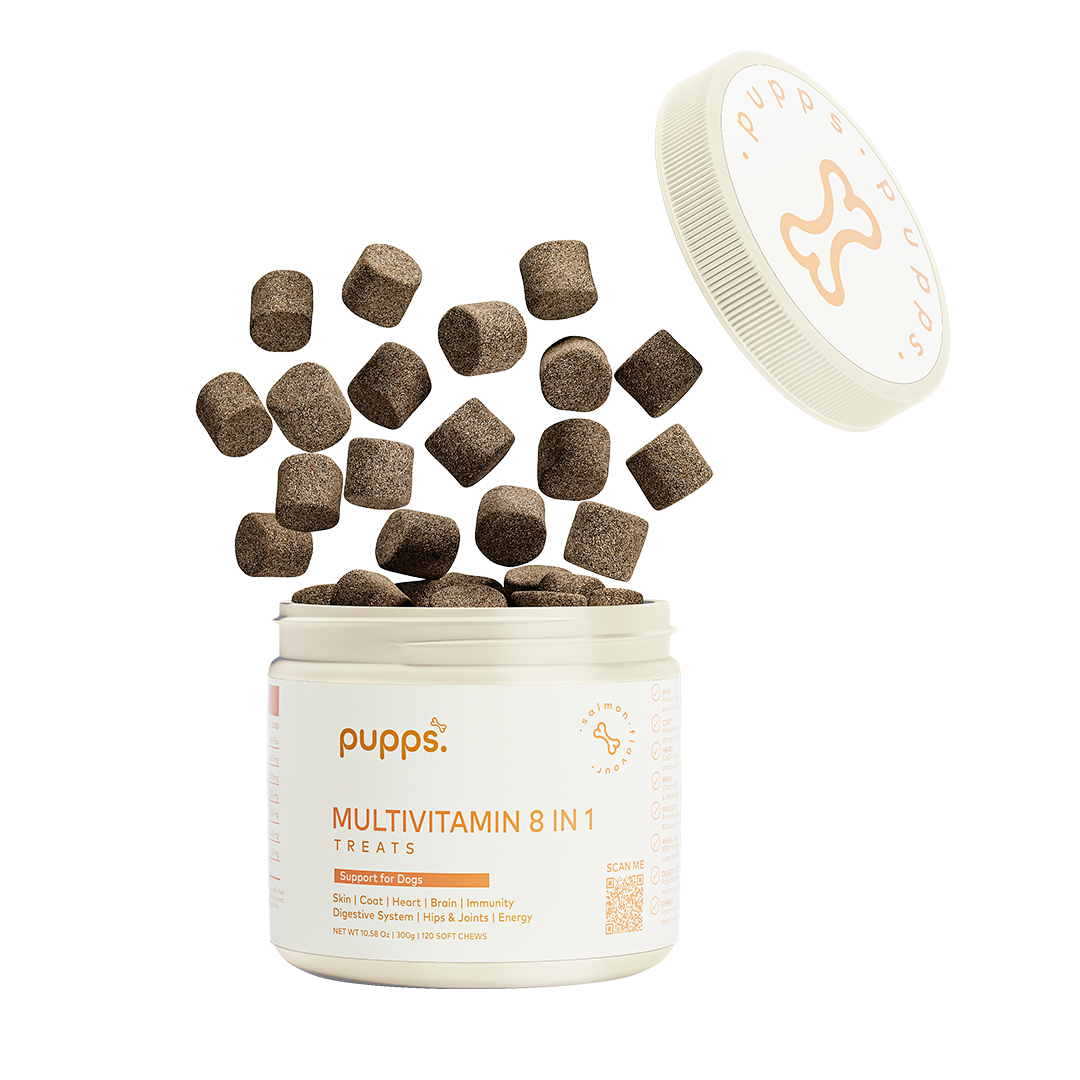
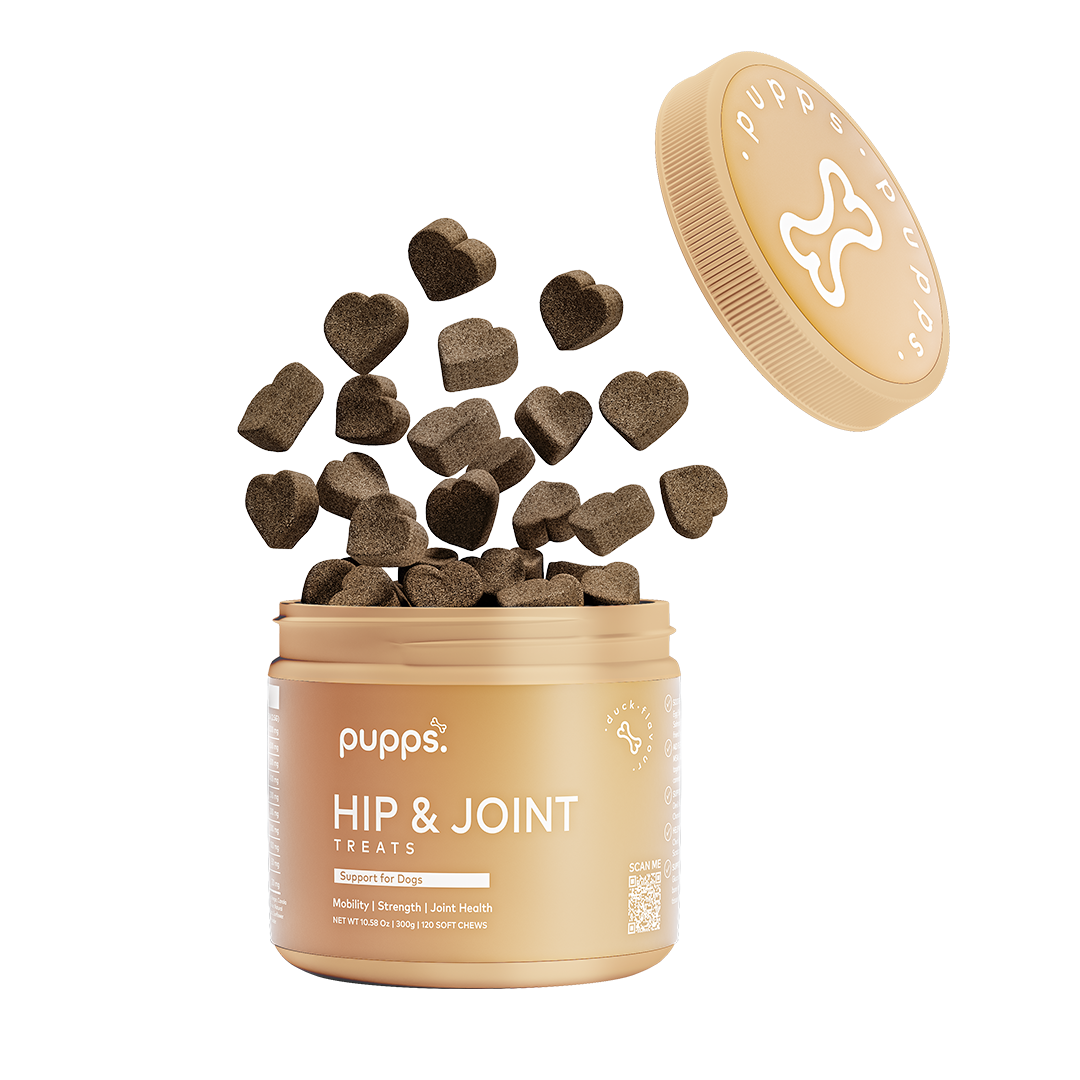
For overall wellness support, browse our complete range of dog health supplements designed to address various aspects of your dog's wellbeing, from joint support to complete multivitamins.
When to Seek Veterinary Care
Schedule a vet appointment if your dog:
- Scratches so intensely that they create wounds or bald patches
- Shows signs of infection (redness, swelling, discharge, or unpleasant odour)
- Seems distressed or unable to settle due to itching
- Experiences sudden onset of severe itching
- Has itching accompanied by other symptoms like lethargy or loss of appetite
Your vet may recommend treatments such as medicated shampoos, antibiotics if infection is present, antihistamines, or in severe cases, immunotherapy or prescription medications.
Final Thoughts
Discovering that your dog's scratching isn't caused by fleas can be both frustrating and confusing, but it's also an opportunity to investigate and address issues that may have been affecting your dog's comfort and wellbeing for some time. Environmental allergies, food sensitivities, dry skin, and compromised skin barrier function are all manageable conditions with the right approach.
Remember that chronic itching is not just uncomfortable for your dog—it can significantly impact their quality of life and lead to secondary complications if left unaddressed. By taking a comprehensive approach that includes environmental management, nutritional support, and professional veterinary care when needed, you can help your itchy dog find lasting relief.
The journey to identifying and managing your dog's specific triggers may take time and patience, but the reward—a comfortable, happy dog—is well worth the effort. Whether through environmental changes, dietary adjustments, supportive supplements like Pupps Itch Relief Treats and Skin and Coat Treats, or veterinary treatments, there are multiple tools available to help your dog stop scratching and start enjoying life again.
Have questions about which Pupps product is right for your dog? Visit our website to learn more about our full range of natural dog health supplements, all formulated with premium ingredients to support your dog's wellbeing.




Leave a comment
This site is protected by hCaptcha and the hCaptcha Privacy Policy and Terms of Service apply.