

Watching your dog grow older is one of the bittersweet realities of dog ownership. The muzzle greying, the walks getting shorter, the extra time needed to get up from their bed in the morning — these are all natural parts of ageing. But 'natural' doesn't mean 'nothing can be done about it'.
The supplement market for senior dogs is enormous, and frankly, a lot of it is noise. Walk into any pet shop and you'll find dozens of products all promising to turn back the clock. The reality is that some supplements are genuinely backed by evidence and can make a meaningful difference to your older dog's quality of life, whilst others are expensive placebos.
This guide cuts through the marketing and focuses on what actually works. We'll look at the specific health challenges senior dogs face, which supplements address them, what ingredients to look for (and what to avoid), and how to build a practical supplementation plan that fits your dog's needs.
When Does a Dog Become 'Senior'?
There's no single age at which a dog becomes senior — it depends largely on breed and size. As a general guide:
- Small breeds (under 10kg): Senior from around 10–12 years
- Medium breeds (10–25kg): Senior from around 8–10 years
- Large breeds (25–40kg): Senior from around 7–8 years
- Giant breeds (over 40kg): Senior from around 5–6 years
But age is just a number. What matters more is how your dog is functioning. Some dogs show signs of ageing at six, whilst others are still bouncing around at twelve. Pay attention to changes in your individual dog rather than fixating on a specific birthday.
The Key Health Challenges for Senior Dogs
Understanding what changes as your dog ages helps you target your supplementation effectively rather than throwing money at everything and hoping something works.
Joint Deterioration and Reduced Mobility
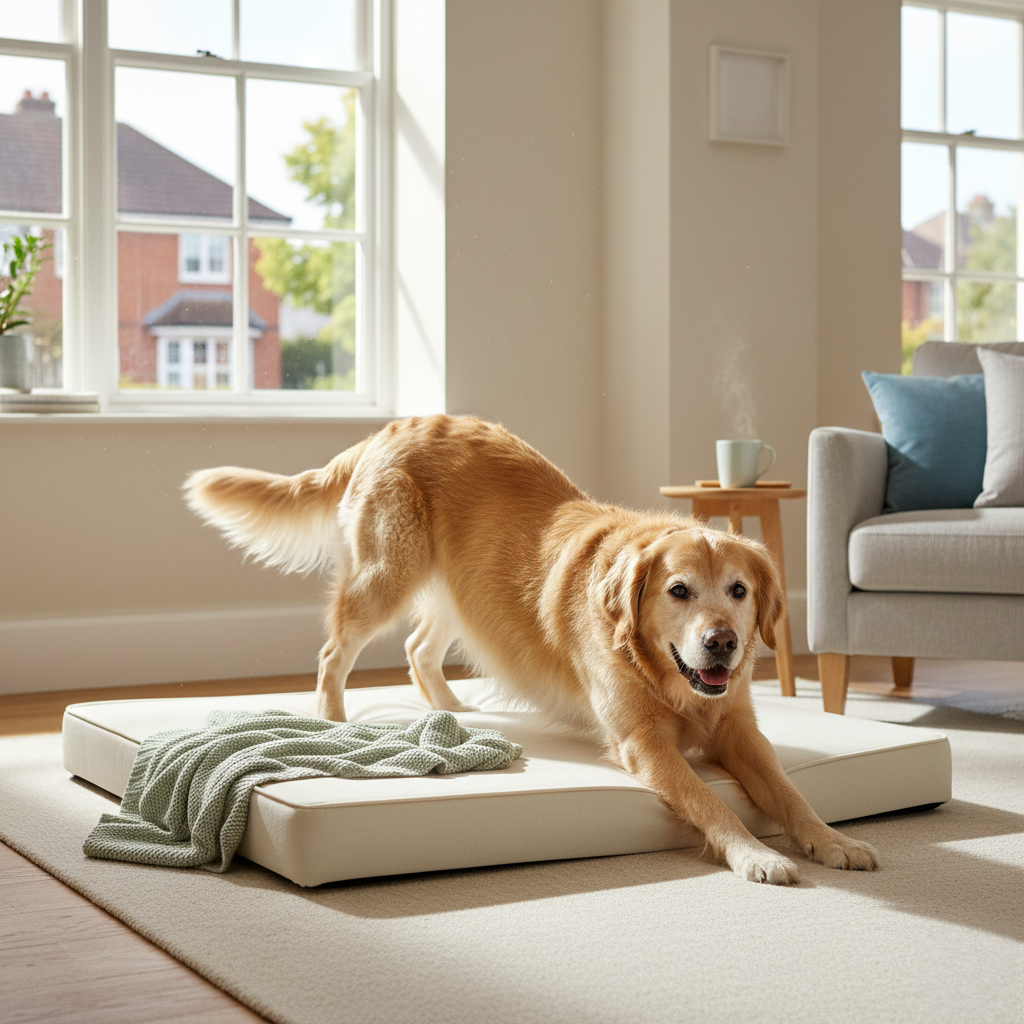
This is the most visible sign of ageing in dogs and the one that affects quality of life most directly. Over time, the cartilage that cushions your dog's joints gradually wears down. The synovial fluid that lubricates joint movement becomes less effective. Inflammation increases. The result is stiffness, pain and reduced willingness to move — a vicious cycle, because less movement leads to muscle loss, which puts even more pressure on compromised joints.
Studies suggest that osteoarthritis affects up to 80% of dogs over the age of eight. Many owners attribute the early signs — reluctance to jump, slower on walks, stiffness after rest — to 'just getting old', but early intervention can significantly slow the progression.
Declining Immune Function
The immune system naturally becomes less efficient with age — a process called immunosenescence. Senior dogs may pick up infections more easily, take longer to recover from illness, and respond less robustly to vaccinations. Their ability to fight off common pathogens declines, making nutritional support for immunity increasingly important.
Digestive Changes
Older dogs often experience reduced digestive efficiency. The gut microbiome becomes less diverse, enzyme production decreases, and nutrient absorption can be impaired. This is why some senior dogs seem to lose condition despite eating the same food they've always eaten — they're simply not extracting as much nutrition from it.
Cognitive Decline
Canine cognitive dysfunction (CCD) — sometimes called 'doggy dementia' — affects a significant proportion of senior dogs. Signs include disorientation, changes in sleep patterns, forgetting house training, reduced interaction with family members and staring into space. Whilst no supplement can cure CCD, certain nutrients may help support brain health and slow cognitive decline.
Skin and Coat Changes
Senior dogs commonly develop drier skin, a duller coat and reduced skin elasticity. Their skin barrier becomes less effective, making them more susceptible to irritation, infection and environmental damage. Nutritional support for skin health becomes more important as the body's natural regenerative processes slow down.
Supplements That Actually Work for Senior Dogs
Joint Support: The Non-Negotiable
If your senior dog is going to take one supplement, it should be a quality joint supplement. The evidence base for joint supplementation in dogs is among the strongest in veterinary nutrition, and the ingredients to look for are well established:
Glucosamine is the building block of cartilage. Your dog's body produces it naturally, but production declines with age. Supplemental glucosamine provides the raw material the body needs to maintain and repair joint cartilage. Look for glucosamine HCl (hydrochloride), which has better absorption than glucosamine sulphate.
Chondroitin works alongside glucosamine to support cartilage structure. It helps cartilage retain water (which is essential for its cushioning function) and may help slow the enzymatic breakdown of existing cartilage.
MSM (methylsulfonylmethane) is a natural sulphur compound with anti-inflammatory properties. It helps reduce the joint inflammation that causes pain and stiffness, and provides the sulphur needed for healthy connective tissue.
Green-lipped mussel is a powerhouse ingredient from New Zealand that's increasingly recognised by vets as one of the most effective natural anti-inflammatories available. It contains a unique combination of omega-3 fatty acids, glucosamine, chondroitin and minerals in a naturally bioavailable form.
Turmeric (curcumin) has well-documented anti-inflammatory properties. It works through different pathways to conventional anti-inflammatories, making it a useful complement to other joint support ingredients.
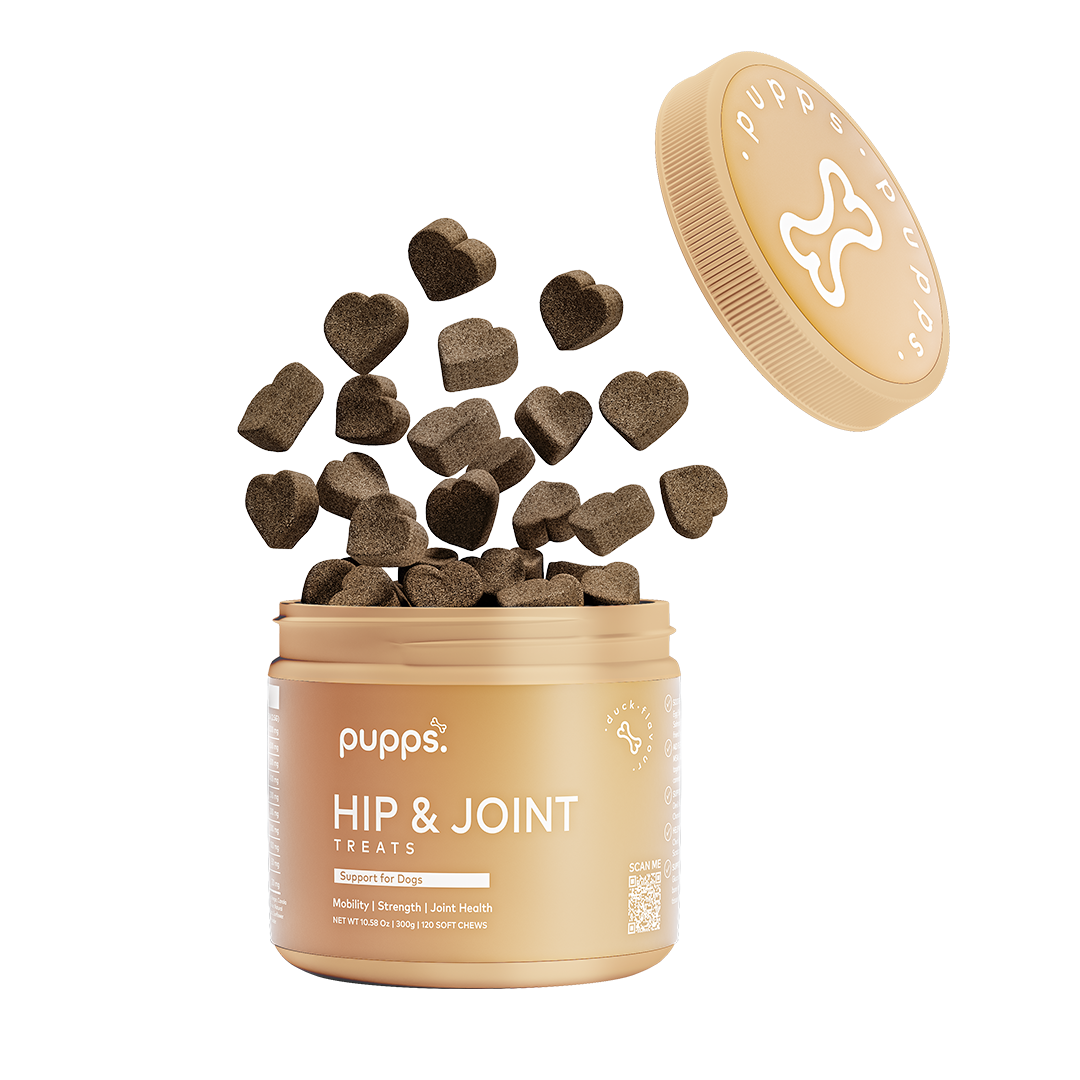
Pupps Hip & Joint Treats combine all five of these key ingredients — glucosamine, chondroitin, MSM, green-lipped mussel and turmeric — in a single daily treat. This is the formulation approach that most closely aligns with current veterinary evidence for comprehensive joint support.
The critical point with joint supplements is consistency and patience. Unlike painkillers, which work immediately, joint support ingredients build up over time. Most dogs show noticeable improvement after four to six weeks of daily use. Starting early — ideally before severe symptoms develop — gives the best results.
For large breeds, working dogs, or breeds predisposed to joint problems (Labradors, German Shepherds, Golden Retrievers, Rottweilers), many vets now recommend starting joint supplementation from middle age rather than waiting until problems appear.
Digestive and Immune Support
Given the twin challenges of declining digestive efficiency and reduced immune function, probiotic and prebiotic support is particularly valuable for senior dogs. A healthy, diverse gut microbiome supports both digestion and immunity — two areas where older dogs need the most help.
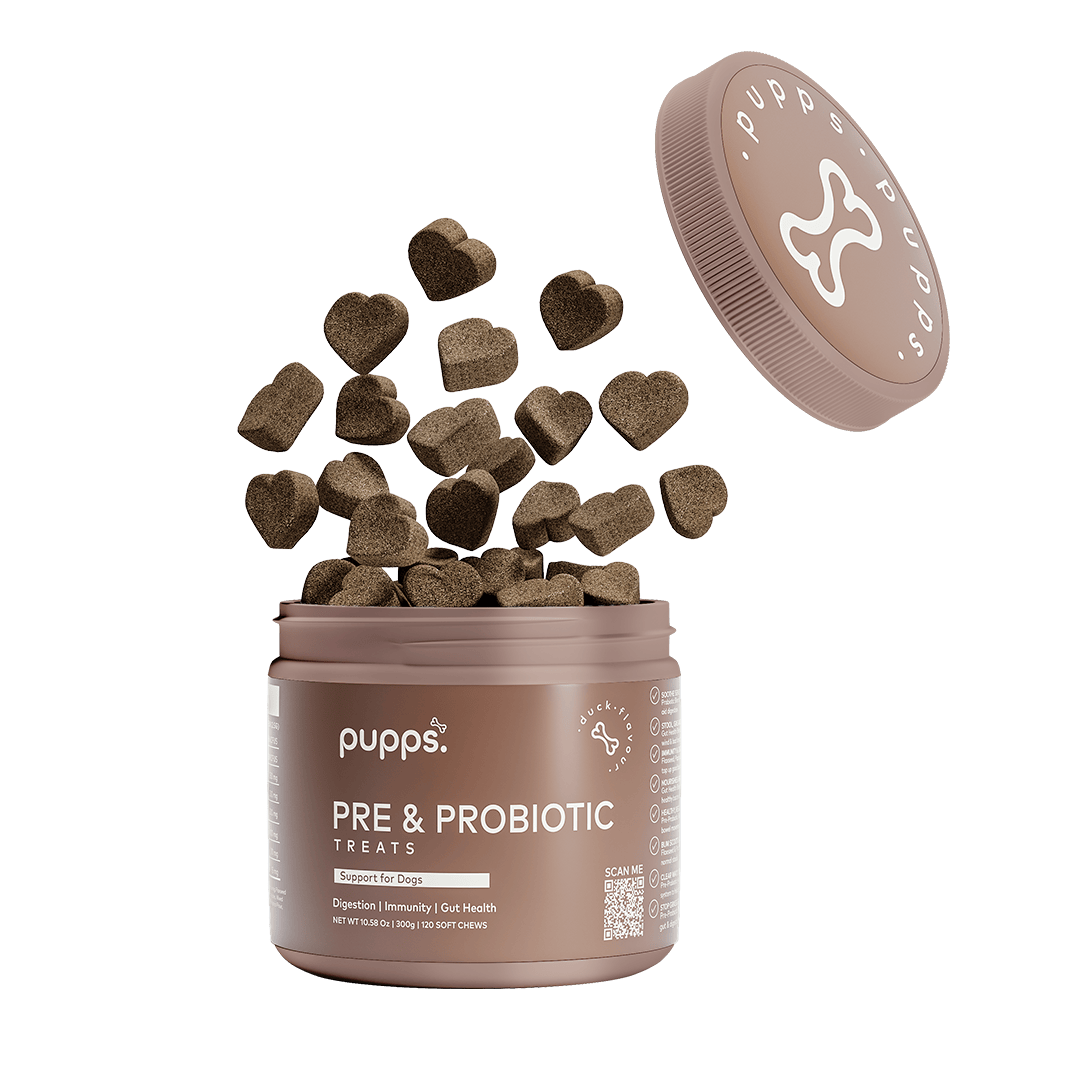
Pupps Pre & Probiotic Treats deliver a 5-strain probiotic blend with 4.5 billion CFUs, plus prebiotic fibre from chicory root and pumpkin. For senior dogs, the benefits are twofold: better nutrient absorption from their food (meaning they get more value from every meal) and stronger immune function through a healthier gut microbiome.
This is especially important for senior dogs on medication. Many common medications prescribed to older dogs — including NSAIDs for arthritis — can be tough on the digestive system. Probiotic support helps maintain gut health alongside these treatments.
Comprehensive Nutritional Support
As nutrient absorption declines with age, filling potential nutritional gaps becomes more important. A quality multivitamin can help ensure your senior dog is getting adequate levels of the vitamins and minerals they need for overall health maintenance.
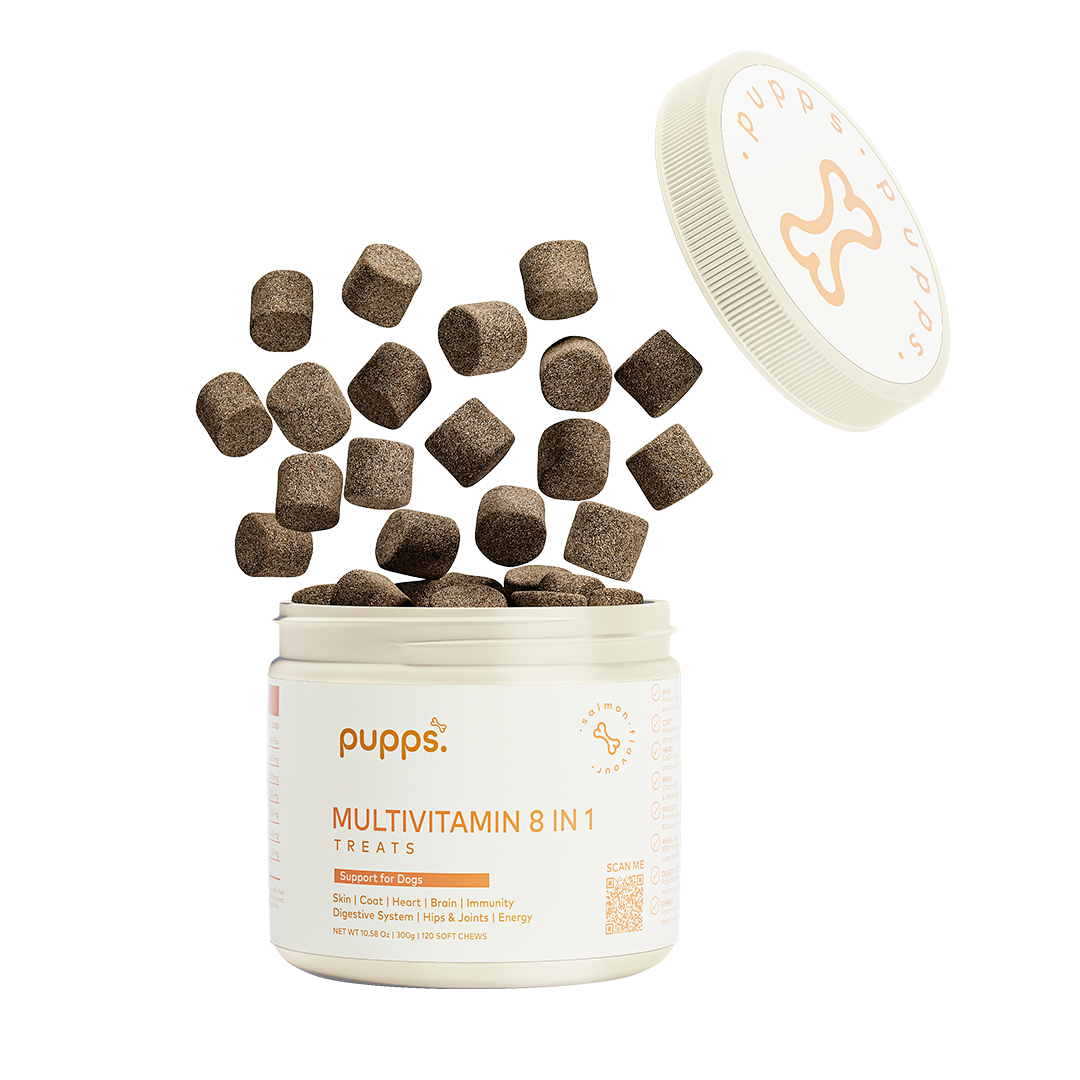
Pupps Multivitamin Treats provide a comprehensive blend of vitamins A, B complex, C, D and E, alongside essential minerals and antioxidants. The antioxidant component is particularly relevant for senior dogs — oxidative stress increases with age and is implicated in many age-related conditions, including cognitive decline. Antioxidants help neutralise the free radicals that contribute to cellular damage.
Vitamins C and E are especially important for older dogs. Vitamin E supports immune function and acts as a powerful antioxidant, whilst vitamin C supports collagen production (important for joint, skin and connective tissue health) and further bolsters antioxidant defences.
Skin and Coat Support
If your senior dog is developing dry, flaky skin or their coat has lost its lustre, targeted nutritional support can help. Essential fatty acids (omega-3 and omega-6), biotin, zinc and vitamin E are the key nutrients for maintaining skin barrier function and coat condition in older dogs.
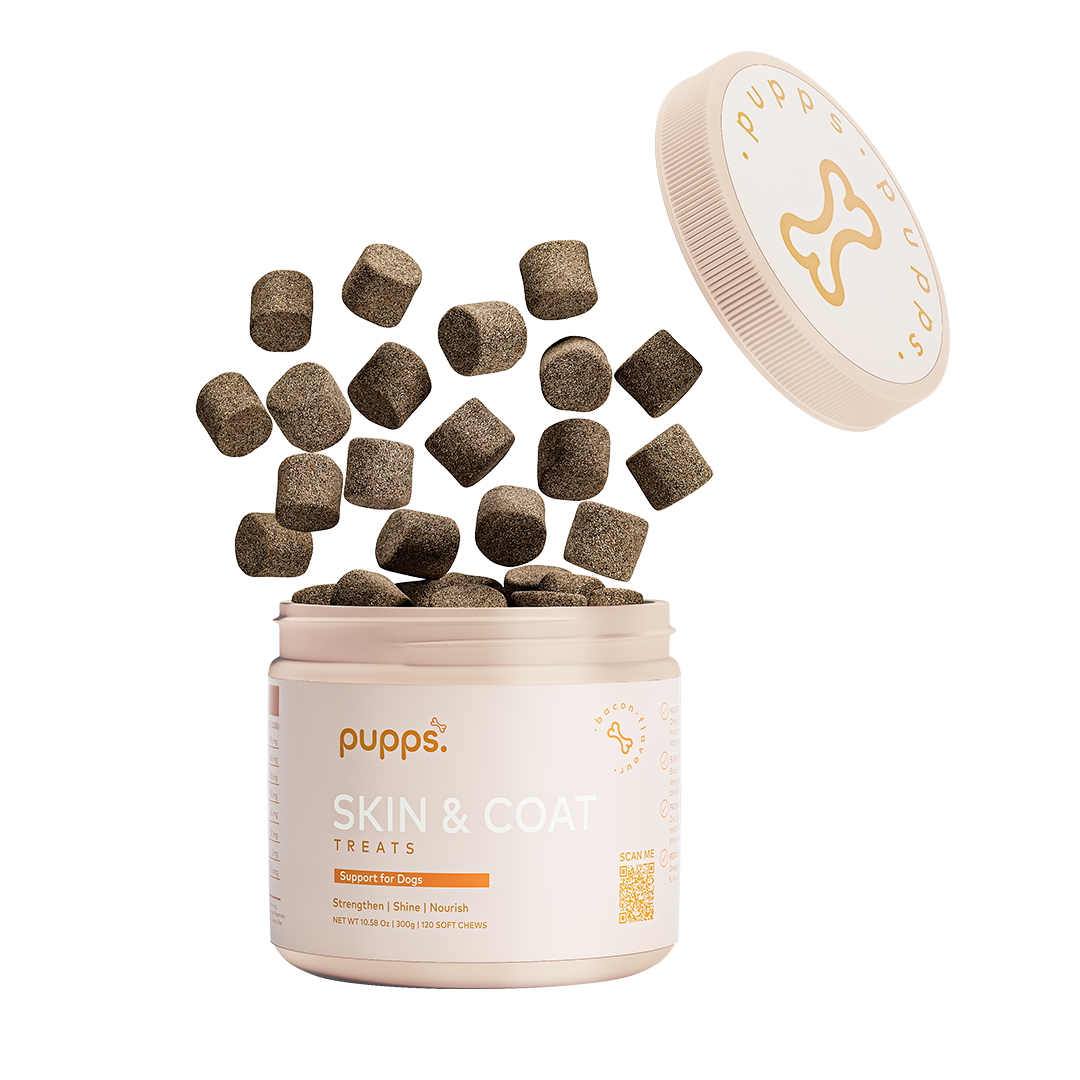
Pupps Skin & Coat Treats provide these nutrients in a form specifically designed for skin health support. For senior dogs, healthy skin isn't just cosmetic — a strong skin barrier protects against infections and irritants that an ageing immune system may struggle to fight off.
Building a Senior Dog Supplement Routine
You don't necessarily need to give your senior dog every supplement available. The best approach is to prioritise based on your dog's specific needs:
Priority 1 — Every senior dog:
- Hip & Joint Treats — joint health is the universal senior dog concern
- High-quality senior-appropriate diet
Priority 2 — Dogs showing specific signs:
- Pre & Probiotic Treats — if digestive issues, frequent illness, or on medication
- Multivitamin Treats — if showing signs of nutritional deficiency, low energy, or poor recovery
Priority 3 — Additional targeted support:
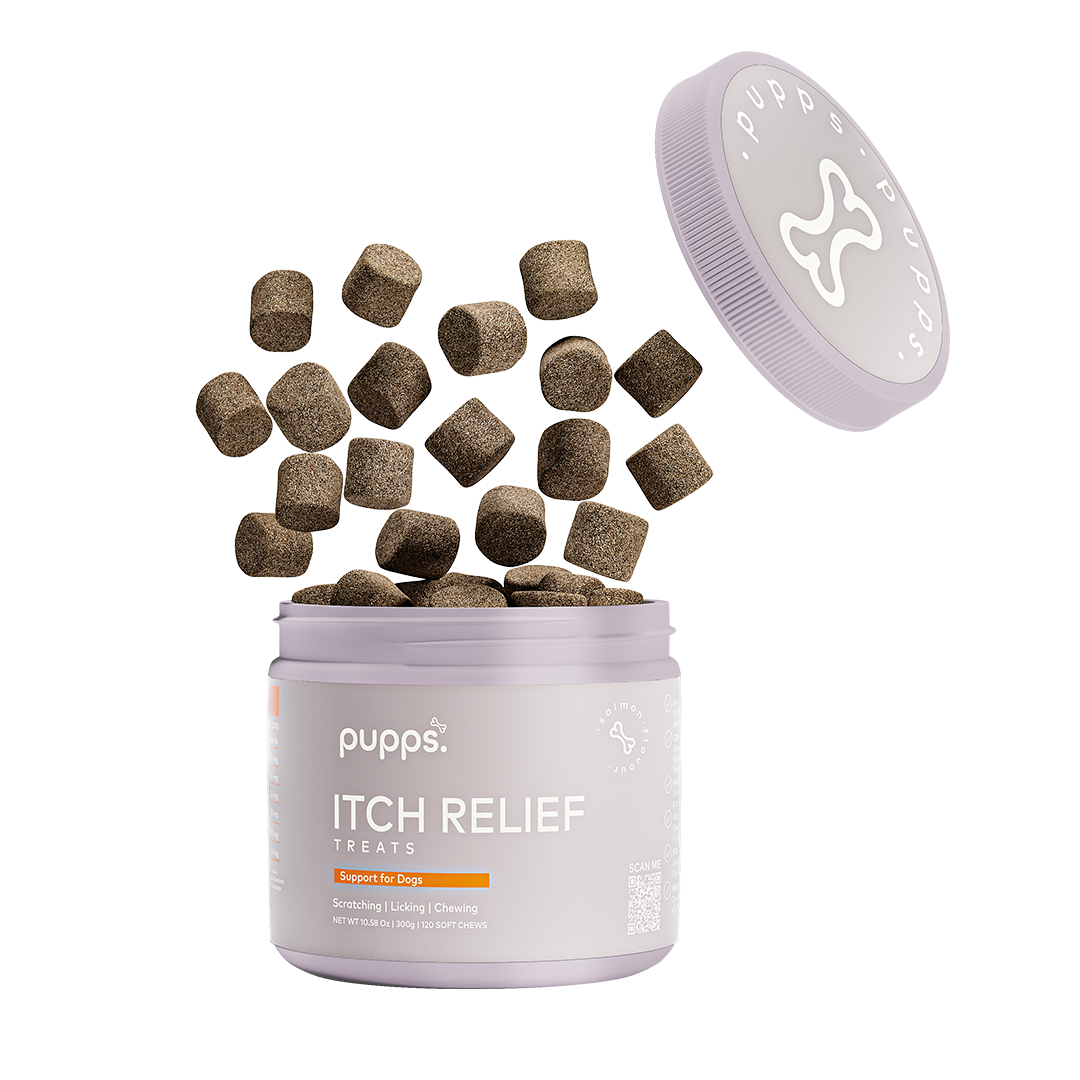
- Skin & Coat Treats — if dry skin, dull coat, or skin barrier issues
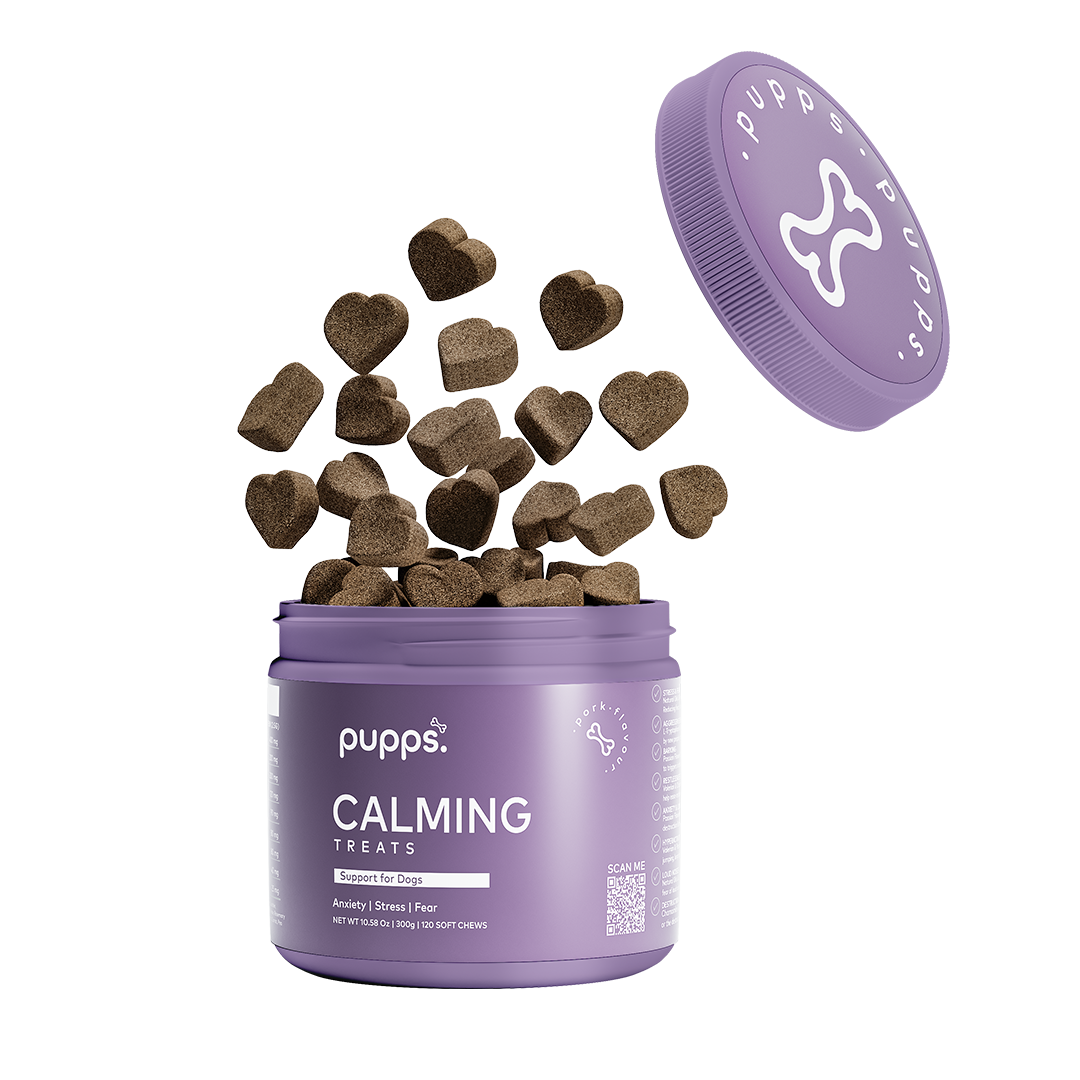
- Calming Treats — if anxiety or restlessness is increasing with age (common in dogs with cognitive decline)
Start with one supplement at a time and give it four to six weeks before adding another. This way, you can clearly see what's making a difference and avoid overcomplicating your dog's routine.
What to Look for in Senior Dog Supplements
Not all supplements are created equal. When choosing products for your older dog, look for:
Transparent ingredient lists: You should be able to see exactly what's in the product and in what quantities. Proprietary blends that don't disclose amounts are a red flag — you can't know if there's enough of the active ingredient to be effective.
Evidence-based ingredients: Stick to ingredients with genuine research behind them. Glucosamine, chondroitin, MSM, omega-3s, probiotics and key vitamins all have solid evidence bases. Be sceptical of exotic-sounding ingredients with little published research.
Appropriate dosages: More isn't always better, but too little won't do anything. Quality supplements provide ingredients at levels that align with research-supported effective doses.
Palatability: The best supplement in the world is useless if your dog won't eat it. Treat-format supplements tend to have far better compliance than tablets, powders or liquids — particularly important for fussy senior dogs who may already have reduced appetite.
UK quality standards: Products manufactured or sold in the UK should comply with relevant regulations. Check that the company is transparent about where their products are made and what quality controls are in place.
Lifestyle Changes That Support Senior Dog Health
Supplements work best as part of a broader approach to senior dog care:
Adjust exercise, don't eliminate it. Senior dogs still need regular movement — it's essential for joint health, mental stimulation and muscle maintenance. Swap long, intense walks for shorter, more frequent outings. Swimming is excellent for senior dogs as it provides exercise without impact on joints.
Manage their weight. Excess weight is the single biggest modifiable risk factor for joint disease in senior dogs. Even a modest weight reduction in an overweight older dog can dramatically improve mobility and comfort. Your vet can help you determine your dog's ideal weight and adjust feeding accordingly.
Adapt your home. Ramps for getting into the car or onto the sofa, raised food and water bowls, non-slip mats on hard floors, and an orthopaedic bed can all make a significant difference to your senior dog's daily comfort.
Keep their mind active. Mental stimulation is important for cognitive health. Puzzle feeders, gentle training sessions, new scents to explore and calm social interactions all help keep your dog's brain engaged.
Regular vet checks. Senior dogs benefit from more frequent health checks — ideally every six months rather than annually. Early detection of age-related conditions makes management much more effective.
When to Start Supplementing
The honest answer is: earlier than most people think. By the time your dog is showing obvious signs of joint stiffness, digestive decline or immune weakness, the underlying processes have been underway for months or years. Starting supplementation at the first subtle signs — or even before, as a preventive measure — gives the best outcomes.
For large and giant breeds, consider starting joint support from age five or six. For medium breeds, seven to eight. For small breeds, nine to ten. And for digestive and immune support, any time your dog shows signs that their system isn't working as efficiently as it once did.
Supporting Your Senior Dog's Best Years
Growing older doesn't have to mean growing uncomfortable. With the right combination of nutrition, appropriate exercise, home adaptations and targeted supplementation, many senior dogs enjoy excellent quality of life well into their later years.
The key is being proactive rather than reactive. Don't wait until your dog can barely get up from their bed to think about joint support. Don't wait until they're constantly ill to address their immune health. By the time symptoms are obvious, you're playing catch-up. Starting early, being consistent, and adjusting your approach as your dog's needs evolve gives them the best possible chance of ageing comfortably.
Your dog has given you their best years. They deserve the same in return. To explore the full range of natural supplements designed to support dogs at every life stage, visit pupps.com.


Leave a comment
This site is protected by hCaptcha and the hCaptcha Privacy Policy and Terms of Service apply.