

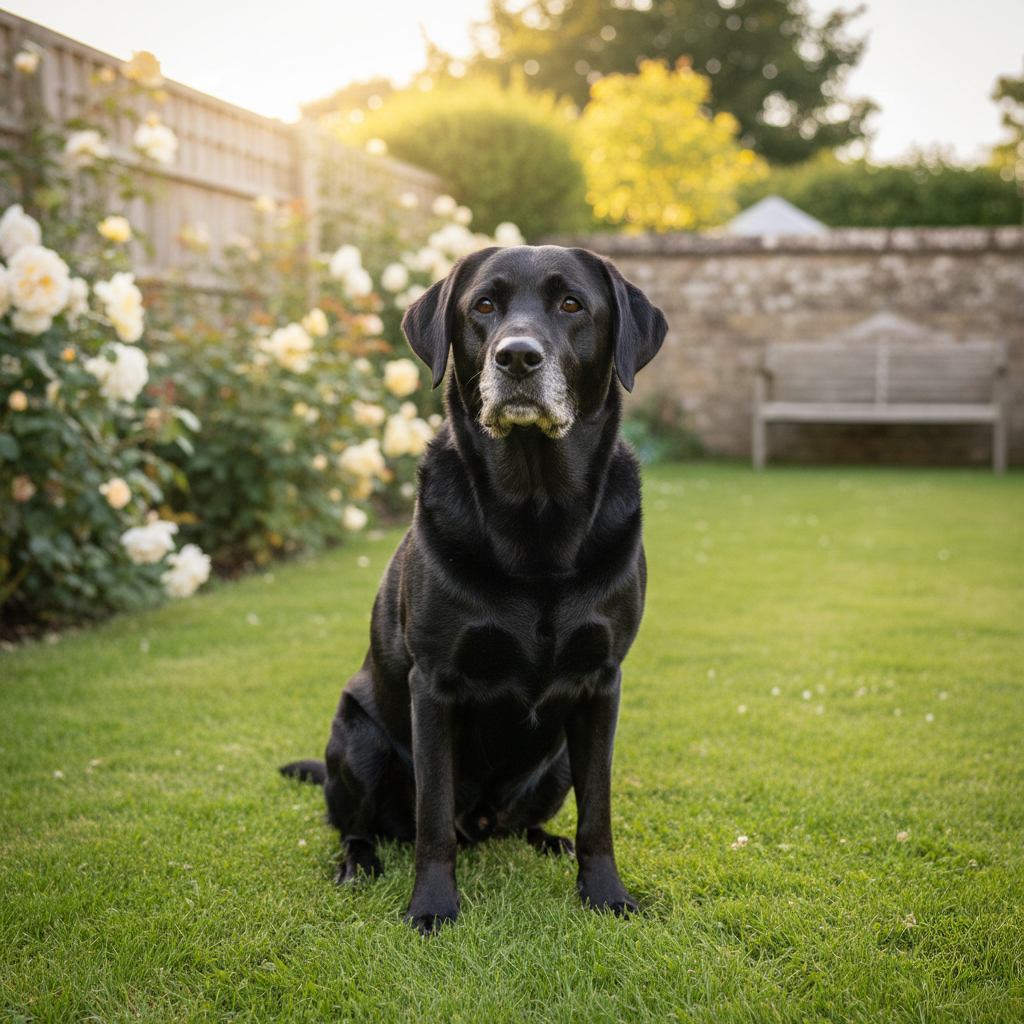
Few things are more difficult than watching your dog struggle with anxiety. Whether it's the trembling that starts before you even pick up your keys, the destructive behaviour that greets you when you come home, or the panting and pacing that begins at the first rumble of thunder — anxiety in dogs is distressing for everyone involved.
The reality is that canine anxiety is far more common than most owners realise. Studies suggest that over 70% of dogs display some form of anxiety-related behaviour, and many cases go unrecognised because the signs can be subtle. The good news is that with the right understanding and approach, most anxious dogs can be helped to feel significantly calmer and more secure.
In this guide, we'll walk through the different types of anxiety in dogs, how to recognise the signs (including the ones most owners miss), what triggers it, and a comprehensive approach to helping your dog cope — from environmental changes and training techniques to natural calming support.
Understanding Anxiety in Dogs
Anxiety in dogs isn't fundamentally different from anxiety in humans. It's an emotional response to a perceived threat — real or imagined — that triggers a cascade of stress hormones and physiological changes. Your dog's heart rate increases, their muscles tense, their breathing quickens, and their body goes into a state of heightened alertness.
The difference between a normal stress response and an anxiety disorder is one of proportion and duration. All dogs experience moments of fear or stress — that's healthy and adaptive. Anxiety becomes a problem when the response is disproportionate to the trigger, when it occurs in the absence of any real threat, or when it persists long after the trigger has gone.
It's also important to understand that anxiety isn't a choice or a behavioural flaw. Your dog isn't being 'naughty' or 'dramatic'. Anxiety is a genuine emotional and physiological state that your dog has limited ability to control without help.
Types of Dog Anxiety
Separation Anxiety
This is the most commonly diagnosed form of canine anxiety in the UK. Dogs with separation anxiety become severely distressed when left alone or separated from their primary attachment figure. It ranges from mild unease to full-blown panic, and it's estimated to affect around 14–20% of dogs to some degree.
Separation anxiety often develops after a change in routine — such as an owner returning to the office after working from home, a house move, or a change in family structure. Dogs who were rehomed, spent time in shelters, or experienced early abandonment are particularly susceptible.
Noise Anxiety
Fireworks, thunderstorms, construction noise and even household appliances can trigger intense fear responses in noise-sensitive dogs. This is especially prevalent in the UK around Bonfire Night, New Year's Eve and during summer thunderstorms. Some dogs become so distressed that they injure themselves trying to escape the noise.
Social Anxiety
Dogs who are fearful of other dogs, unfamiliar people, or new environments may be experiencing social anxiety. This often stems from insufficient socialisation during the critical period (roughly 3–14 weeks of age), though it can also develop after a negative experience.
Generalised Anxiety
Some dogs seem to be anxious about everything — or about nothing in particular. They're in a near-constant state of heightened alertness, never fully relaxing. This is the most challenging form to address because there's no single trigger to manage.
Recognising the Signs of Anxiety
Some signs of anxiety are obvious. Others are easy to miss or misinterpret as 'bad behaviour'. Here's what to watch for:
Obvious signs:
- Trembling or shaking
- Excessive barking, whining or howling (especially when alone)
- Destructive behaviour — chewing furniture, scratching doors, destroying cushions
- Toileting indoors (in a house-trained dog)
- Panting heavily when not hot or exercised
- Attempting to escape — digging under fences, scratching at doors
- Cowering, hiding or refusing to move
Subtle signs many owners miss:
- Lip licking or yawning when not tired or hungry
- Whale eye (showing the whites of their eyes)
- Ears pinned back or tail tucked
- Pacing or inability to settle
- Following you from room to room constantly
- Loss of appetite or refusing treats
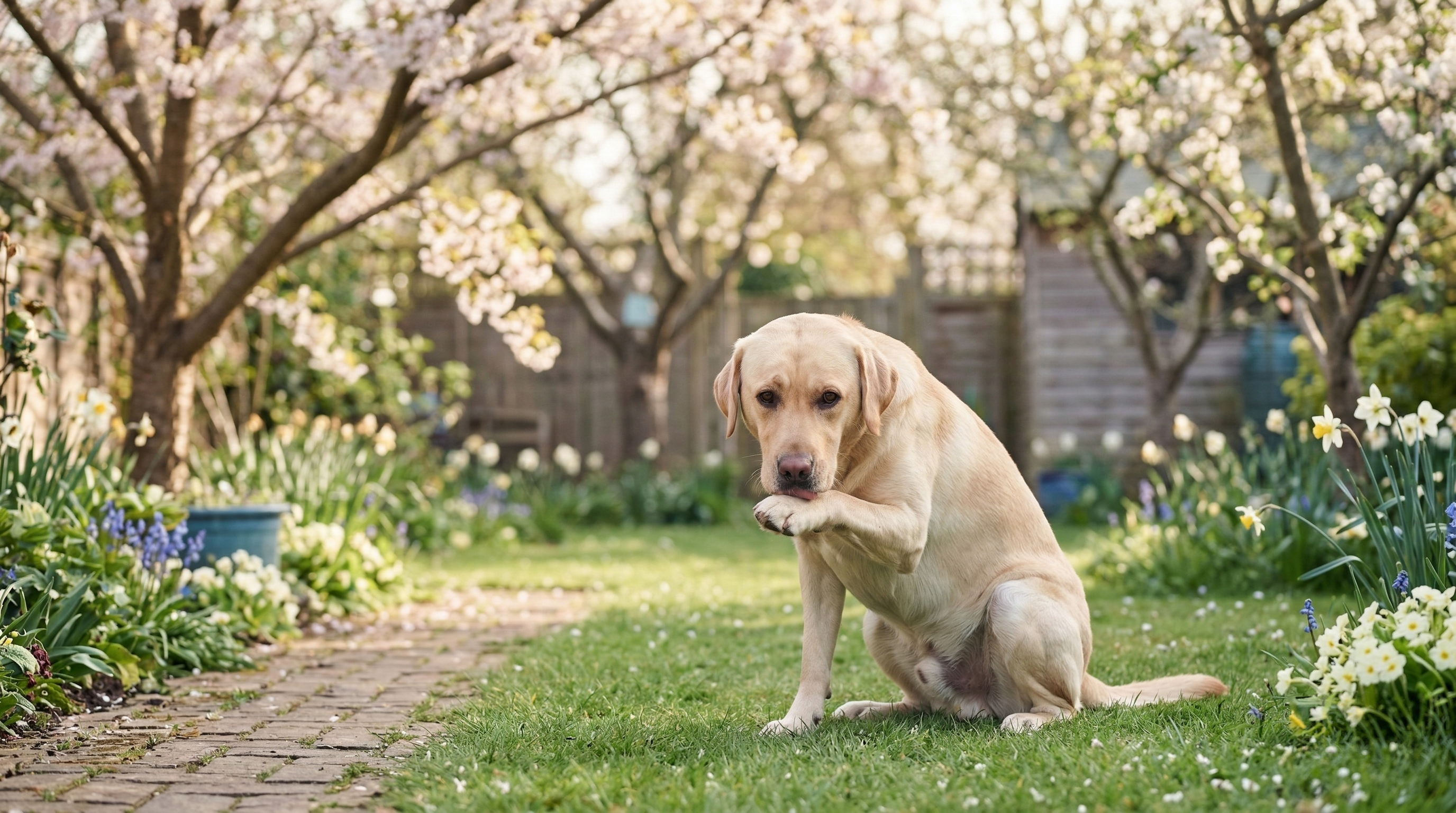
- Excessive grooming or licking (particularly paws)
- Hyper-vigilance — constantly scanning the environment
- Sudden shedding (stress shedding is a real phenomenon)
If you're seeing a pattern of these behaviours — particularly in response to specific triggers or situations — it's worth taking anxiety seriously rather than hoping your dog will simply 'grow out of it'.
What Causes Dog Anxiety?
Anxiety rarely has a single cause. It's usually the result of multiple factors working together:
Genetics: Some breeds are more predisposed to anxiety than others. Working breeds like Border Collies and German Shepherds, brachycephalic breeds like French Bulldogs, and toy breeds like Chihuahuas and Cavalier King Charles Spaniels tend to have higher rates of anxiety-related behaviours.
Early experiences: The socialisation period between 3 and 14 weeks is critical. Dogs who weren't exposed to a range of people, animals, environments and sounds during this window are more likely to develop fearfulness later. Puppies from puppy farms or those separated from their mothers too early are at particular risk.
Traumatic events: A single frightening experience — an attack by another dog, a car accident, or even a particularly bad fireworks display — can trigger lasting anxiety, particularly in already sensitive dogs.
Changes in routine or environment: Dogs are creatures of habit. Moving house, changes in family structure (new baby, divorce, bereavement), shifts in work patterns, or even rearranging the furniture can trigger anxiety in susceptible dogs.
Pain or illness: Dogs in chronic pain often display anxiety-like behaviours. If your dog's anxiety has appeared suddenly or worsened without an obvious trigger, a vet check to rule out underlying health issues is always a good first step.
How to Help Your Anxious Dog
Create a Safe Space
Every anxious dog needs a place where they feel completely safe. This might be a crate (if they're crate-trained and associate it positively), a quiet corner with their bed, or a specific room. The key is that this space is always available, never used as punishment, and ideally in a quieter part of your home.
Make the space comfortable with familiar-smelling bedding, and consider covering a crate with a blanket to create a den-like environment. During storms or fireworks, close curtains and play calming music or white noise to mask the triggering sounds.
Build Confidence Through Training
Positive reinforcement training is one of the most effective long-term strategies for anxious dogs. The goal isn't to suppress the anxiety but to gradually build your dog's confidence and teach them that the things they fear aren't actually dangerous.
Desensitisation involves exposing your dog to their trigger at a very low intensity — so low it barely registers — and gradually increasing exposure over time as they learn to cope. For a dog with noise anxiety, this might mean playing recorded thunder sounds at barely audible levels during positive activities like feeding, and very slowly increasing the volume over weeks or months.
Counter-conditioning pairs the trigger with something your dog loves. Every time the trigger appears (at low intensity), your dog gets their favourite treat or toy. Over time, they begin to associate the trigger with good things rather than fear.
For severe cases, working with a qualified canine behaviourist (look for APBC or CCAB accreditation in the UK) can make an enormous difference. They can create a structured programme tailored to your dog's specific triggers and responses.
Manage Separation Anxiety Specifically
Separation anxiety requires its own approach. The core strategy is to gradually build your dog's tolerance for being alone, starting with extremely short absences and building up slowly:
- Start small: Step out of the room for 30 seconds, then return calmly. No fuss, no drama. Gradually extend the duration
- Decouple departure cues: Pick up your keys, put on your coat, then sit back down. Do this repeatedly until these actions no longer trigger anxiety
- Keep departures and arrivals low-key: No emotional goodbyes or excited homecomings. Matter-of-fact is best
- Provide enrichment: Leave a stuffed Kong, snuffle mat or puzzle feeder to give your dog a positive activity whilst you're gone
- Consider a camera: Monitoring your dog when you're out helps you understand how they're actually coping and adjust your approach accordingly
Exercise and Mental Stimulation
A tired dog is generally a calmer dog. Regular physical exercise helps burn off the excess cortisol (stress hormone) that builds up in anxious dogs. But don't underestimate mental stimulation — puzzle feeders, training sessions, scent work and new walking routes all help tire your dog's brain as well as their body.
Aim for exercise before periods that typically trigger anxiety. A good walk before you leave for work, or an engaging play session before an expected thunderstorm, can help take the edge off.
Support Calm Naturally
While training, environmental management and exercise form the foundation of any anxiety management plan, many dogs benefit from additional nutritional support to help take the edge off their stress responses. This is where targeted calming supplements can play a valuable role — not as a replacement for the approaches above, but as a complement that helps your dog reach a state where they can actually learn and adapt.
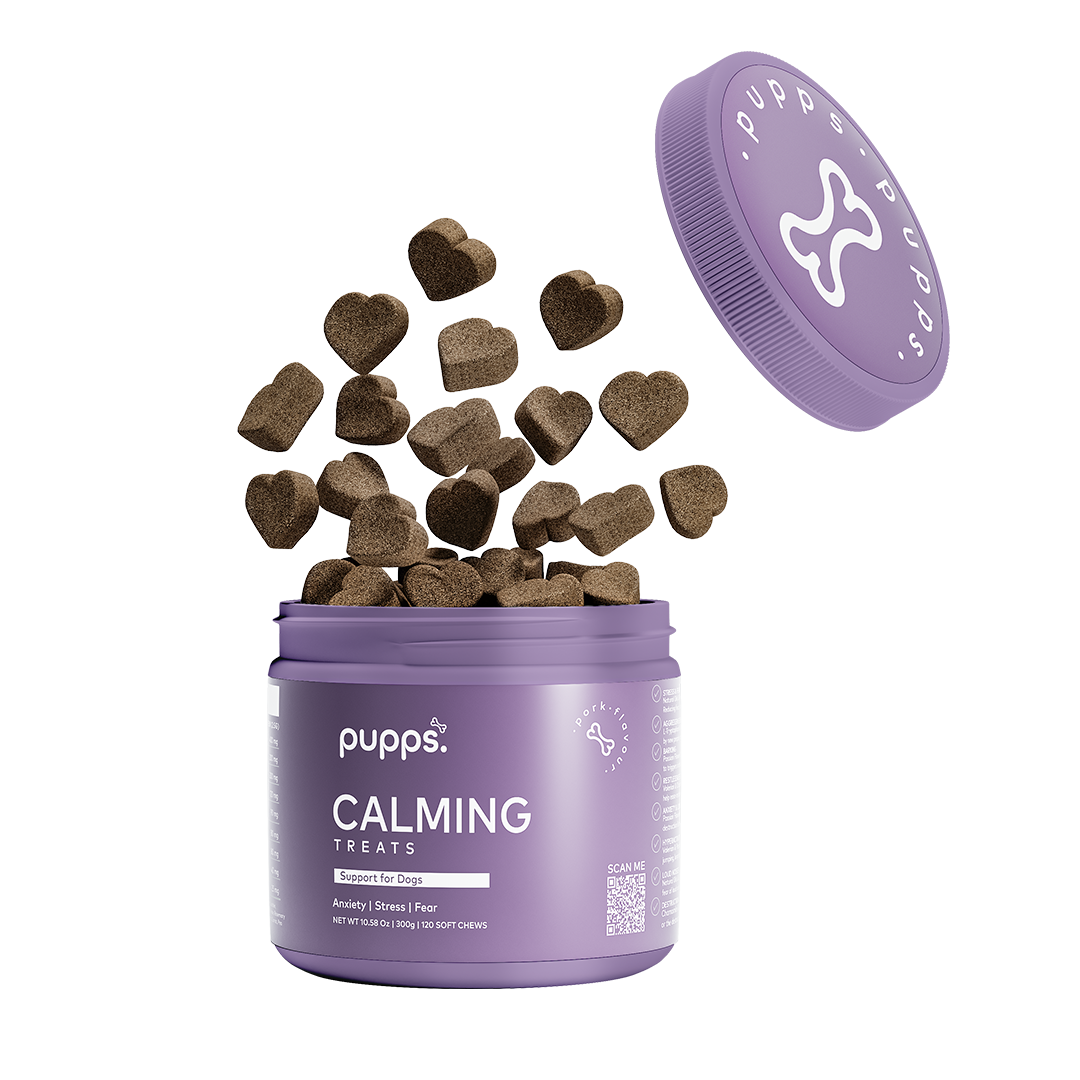
Pupps Calming Treats are formulated with a blend of natural ingredients that work together to support relaxation without sedation. They contain hemp oil and powder (400mg) for natural calming properties, organic chamomile (200mg) and valerian root (80mg) to promote relaxation, L-Tryptophan (90mg) which supports serotonin production, and L-Theanine (40mg) which promotes calm focus without drowsiness.
The key word here is 'support'. Calming supplements aren't sedatives and won't knock your dog out. What they can do is lower your dog's baseline anxiety level enough that they're better able to respond to training, cope with triggers, and settle more easily. Think of them as turning the volume down on anxiety rather than switching it off entirely.
For best results, give them consistently as part of a daily routine rather than only during acute episodes. The ingredients build up over two to four weeks of regular use, and most owners report noticing a gradual improvement in their dog's ability to cope with everyday stressors.
Consider the Gut-Anxiety Connection
As we've touched on, the gut-brain axis means your dog's digestive health can directly influence their mood and anxiety levels. The gut produces a significant amount of serotonin — one of the key neurotransmitters involved in regulating mood and feelings of calm.
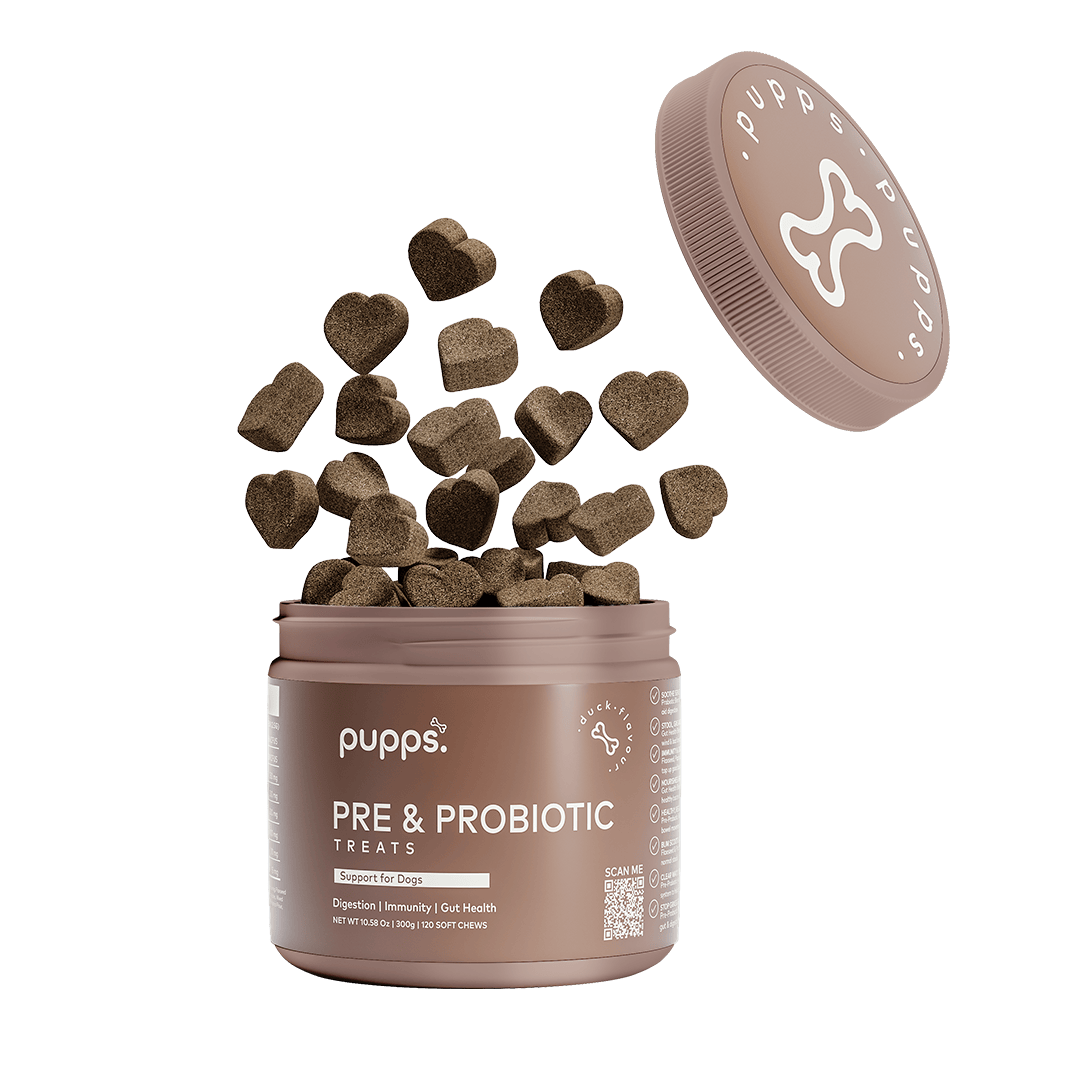
If your anxious dog also has digestive issues (soft stools, gas, a sensitive stomach), supporting their gut health with Pupps Pre & Probiotic Treats could help address both problems. A balanced gut microbiome supports healthy serotonin production, which in turn supports a calmer emotional state.
What Not to Do with an Anxious Dog
Well-meaning actions can sometimes make anxiety worse. Avoid these common mistakes:
Don't punish anxious behaviour. Shouting at a dog for barking when anxious, or punishing them for destructive behaviour caused by panic, will only increase their fear. They aren't being 'bad' — they're trying to cope.
Don't force exposure. Dragging a fearful dog towards the thing they're scared of (known as 'flooding') can severely worsen anxiety and damage your dog's trust in you. Always let your dog set the pace.
Don't over-reassure. Whilst it's natural to want to comfort your anxious dog, excessive fussing during anxiety episodes can inadvertently reinforce the idea that there's something to be afraid of. Calm, matter-of-fact reassurance is better than frantic comforting.
Don't ignore it. Anxiety rarely resolves on its own. Without intervention, it tends to worsen over time as your dog practises the anxious response and it becomes more deeply ingrained.
When to Seek Professional Help
While mild anxiety can often be managed with the approaches outlined above, some situations benefit from professional support:
- Your dog is injuring themselves during anxiety episodes
- Destructive behaviour is severe or escalating
- Anxiety is significantly affecting your dog's quality of life (unable to eat, sleep or enjoy activities)
- You've tried consistent management for 4–6 weeks without improvement
- The anxiety appeared suddenly without an obvious trigger (rule out medical causes)
- Anxiety is accompanied by aggression
Your vet can assess whether medication might be appropriate alongside behavioural modification. For severe cases, a combination of veterinary-prescribed anxiolytic medication, behaviour modification with a qualified behaviourist, and natural calming support often produces the best outcomes.
Helping Your Dog Find Calm
Anxiety is one of the most common welfare issues affecting dogs in the UK, but it doesn't have to define your dog's life. With patience, the right approach and consistent support, most anxious dogs can learn to cope better with the things that frighten them.
The most effective strategy combines environmental management (safe spaces, routine, reducing triggers), confidence-building training (desensitisation, counter-conditioning), adequate exercise and mental stimulation, and natural calming support to help lower your dog's baseline stress levels.
It takes time — weeks and months rather than days — but the reward of seeing your anxious dog begin to relax, settle and enjoy life more fully is immeasurable. And you don't have to do it alone. Your vet, a qualified behaviourist and the right natural support can all play a part.
For more information on supporting your dog's emotional wellbeing naturally, explore the full range of supplements at pupps.com. Because every dog deserves to feel safe, settled and calm.


Leave a comment
This site is protected by hCaptcha and the hCaptcha Privacy Policy and Terms of Service apply.