

Ask most dog owners what the gut does, and they'll tell you it digests food. Which is true — but that's only a small part of the story. Over the past decade, veterinary science has uncovered something remarkable: the community of bacteria, yeasts and microorganisms living in your dog's intestines is influencing far more than just what happens after dinner.
Your dog's gut microbiome — the collective term for the trillions of microorganisms that live in their digestive tract — communicates with the brain, regulates inflammation, trains the immune system, and plays a direct role in skin and coat health. When it's in balance, the whole body tends to function better. When it's disrupted, the effects can show up almost anywhere: loose stools, itchy skin, low energy, anxious behaviour, a dull coat.
Gut health has become one of the biggest topics in canine wellness heading into 2026, and for good reason. In this guide, we'll explain what's happening inside your dog's gut, what can disrupt it, and — most usefully — what you can actually do to support it.
What Is the Canine Microbiome?
Think of your dog's gut as a complex ecosystem — something like a rainforest, where a diverse community of different organisms keeps everything in balance. The microbiome is populated by hundreds of different bacterial strains, yeasts and other microorganisms. Some of these are beneficial and actively support your dog's health. Others are neutral. A small number are potentially harmful — but in a healthy gut, they're kept in check by the sheer number of beneficial bacteria.
This balance is called homeostasis. When it's maintained, the gut lining stays healthy, nutrients are absorbed efficiently, and the immune system gets the right signals. When the balance is disrupted — a state called dysbiosis — things start to go wrong.
What's particularly striking is how far-reaching the effects of gut disruption can be. Research has confirmed what vets have long suspected: the gut communicates with virtually every other system in the body through what's known as the gut-brain axis and the gut-skin axis. A dog with a compromised microbiome can present with any combination of digestive issues, skin problems, behavioural changes and immune dysfunction. It's why experienced vets will often look at the gut when diagnosing conditions that seem, on the surface, to have nothing to do with digestion.
Signs Your Dog's Gut Microbiome May Be Out of Balance
The signs of dysbiosis in dogs aren't always obvious, and they don't always involve the digestive system directly. Here's what to look out for:
- Frequent loose stools or diarrhoea — particularly if this is recurring rather than a one-off reaction to something they've eaten
- Excessive wind or bloating — often dismissed as a quirk, but can signal imbalanced fermentation in the gut
- Itchy skin, recurring ear infections or a dull coat — the gut-skin axis means that gut imbalance often shows up on the skin first
- A "sensitive stomach" — dogs who seem to react badly to any dietary change may have a less resilient microbiome
- Low energy or a seeming lack of interest in food — digestive discomfort is exhausting, and the gut's role in nutrient absorption means a disrupted gut can affect energy levels
- Anxious or unsettled behaviour — the gut-brain connection is real. Certain bacterial strains directly influence the production of mood-regulating compounds
- Bad breath — beyond dental hygiene, chronic bad breath can be a sign of gut dysbiosis
None of these symptoms alone necessarily means a gut problem, and if you're concerned about any of them, a conversation with your vet is always the right first step. But the gut is often an under-explored factor in chronic conditions that don't respond well to other treatments.
What Disrupts the Gut Microbiome in Dogs?
A healthy microbiome is remarkably resilient — but it's not indestructible. Several common factors in modern dog life can disrupt the microbial balance:
Antibiotics
Antibiotics are life-saving medicines, and sometimes they're absolutely necessary. But they don't discriminate between harmful bacteria and beneficial ones — they wipe out both. A course of antibiotics can significantly alter the microbiome, and it can take weeks or even months to fully recover. This is why many vets now recommend probiotic support during and after a course of antibiotics.
Sudden dietary changes
The gut microbiome is adapted to the food your dog regularly eats. Switching foods abruptly — even to a healthier option — can trigger dysbiosis because the microbial community hasn't had time to adjust. This is why new foods should always be introduced gradually, over a period of seven to ten days.
Stress
The gut-brain axis works in both directions: just as gut health can affect mood, stress can physically alter gut chemistry. Dogs going through a stressful experience — a house move, a new baby in the family, fireworks, kennelling — often develop digestive upset as a result. This isn't coincidental; stress hormones directly influence gut motility and bacterial balance.
A low-diversity diet
A microbiome thrives on diversity. Dogs fed the same highly processed food every day, with few natural whole ingredients, may develop a less diverse bacterial community over time. Fibre — particularly prebiotic fibre — is the primary fuel for beneficial gut bacteria, so a diet lacking in varied fibre sources can starve the good bacteria.
Ageing
Like humans, dogs tend to see changes in their microbiome as they age. Senior dogs may have less diverse gut populations, which can make them more vulnerable to digestive disruption and may contribute to some of the health challenges that come with getting older.
How to Support Your Dog's Gut Health
The encouraging news is that gut health is highly responsive to the right kind of support. Small, consistent changes can make a meaningful difference over time.
Feed a varied, whole-food diet
The more varied and ingredient-rich your dog's diet, the better it tends to be for microbial diversity. If you're feeding a commercial complete food, look for one with clearly stated, recognisable ingredients rather than vague descriptors. Many owners also add small amounts of gut-friendly whole foods to their dog's regular meals — plain cooked vegetables, a little plain yogurt with live cultures, or a portion of oily fish.
Introduce probiotic support
Probiotics are live beneficial bacteria that, when given in sufficient quantities, can help restore and maintain microbial balance. They're particularly valuable after a course of antibiotics, during and after stressful events, and for dogs with chronically sensitive digestion.
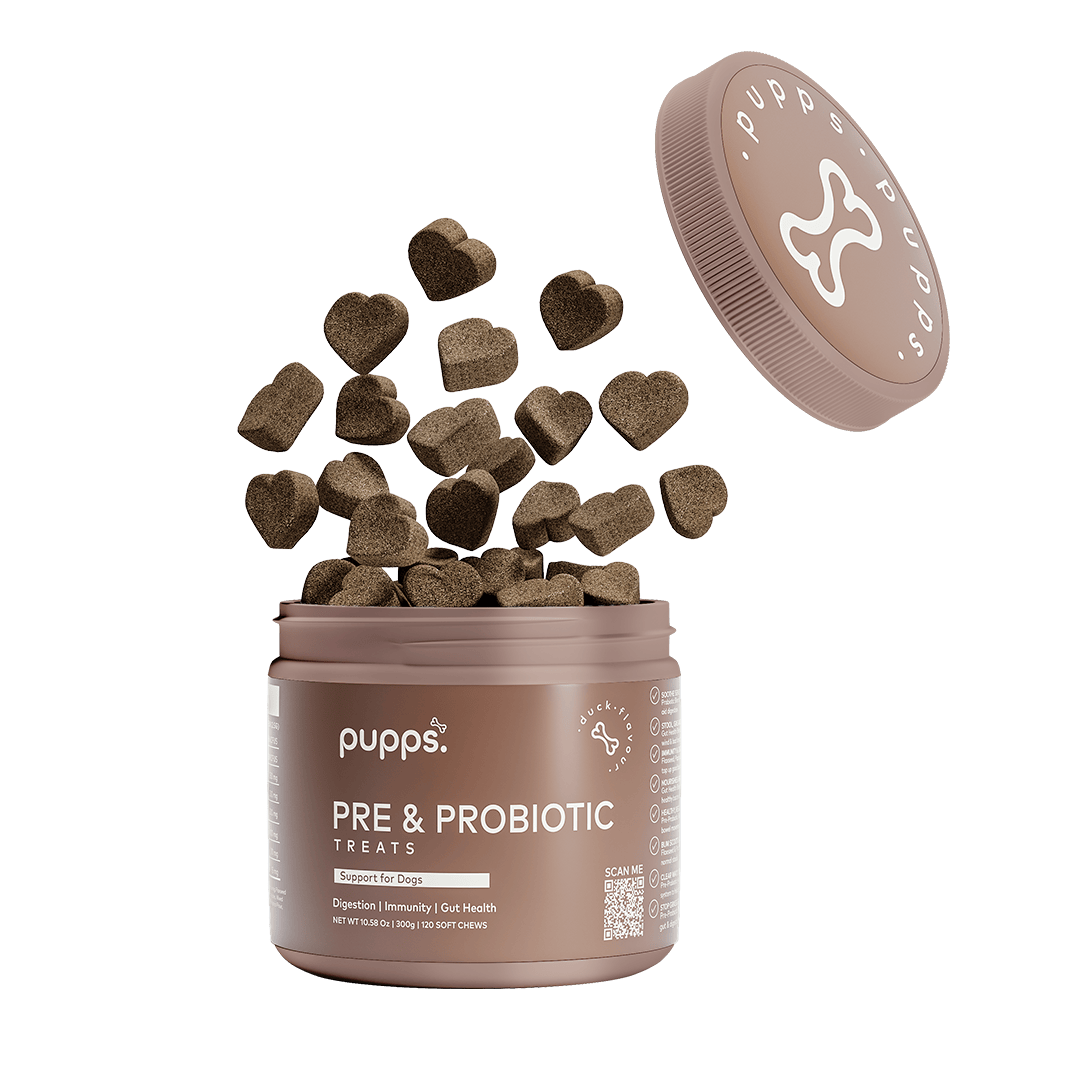
Pupps Pre & Probiotic Treats combine both prebiotics (the fibre that feeds beneficial bacteria) and probiotics (the beneficial bacteria themselves) in a convenient treat format. This dual approach — sometimes called a synbiotic — is considered more effective than probiotics alone, because it ensures the beneficial bacteria have the food source they need to survive and thrive in the gut. For dogs with ongoing digestive sensitivity, daily probiotic support can be genuinely transformative.
Avoid unnecessary antibiotic use
This isn't about refusing treatment when it's needed — it's about having an honest conversation with your vet about whether antibiotics are truly necessary for a given condition. Many mild infections resolve without them. When antibiotics are essential, supporting the gut with probiotics during and after the course can significantly reduce the impact on the microbiome.
Manage stress
Because stress directly affects gut health, managing your dog's stress levels is also a form of gut care. Predictable routines, plenty of mental stimulation, and a calm home environment all support gut stability. If your dog experiences acute stressful events — fireworks night, travel, kennelling — it's worth giving probiotic support during those periods specifically.
Be consistent with dietary changes
Whenever you change your dog's food — even partially — do so gradually over seven to ten days, mixing increasing amounts of the new food with the old. This gives the microbiome time to adjust without disruption.
The Gut-Skin Connection: Why Itching Often Starts in the Gut
One of the most practically important discoveries in canine gut research is the gut-skin axis. Put simply, the health of the gut lining directly influences the health of the skin. When the gut barrier is compromised — a state often called "leaky gut" — it can allow inflammatory compounds to enter the bloodstream, which then manifest as inflammation elsewhere in the body, often the skin.
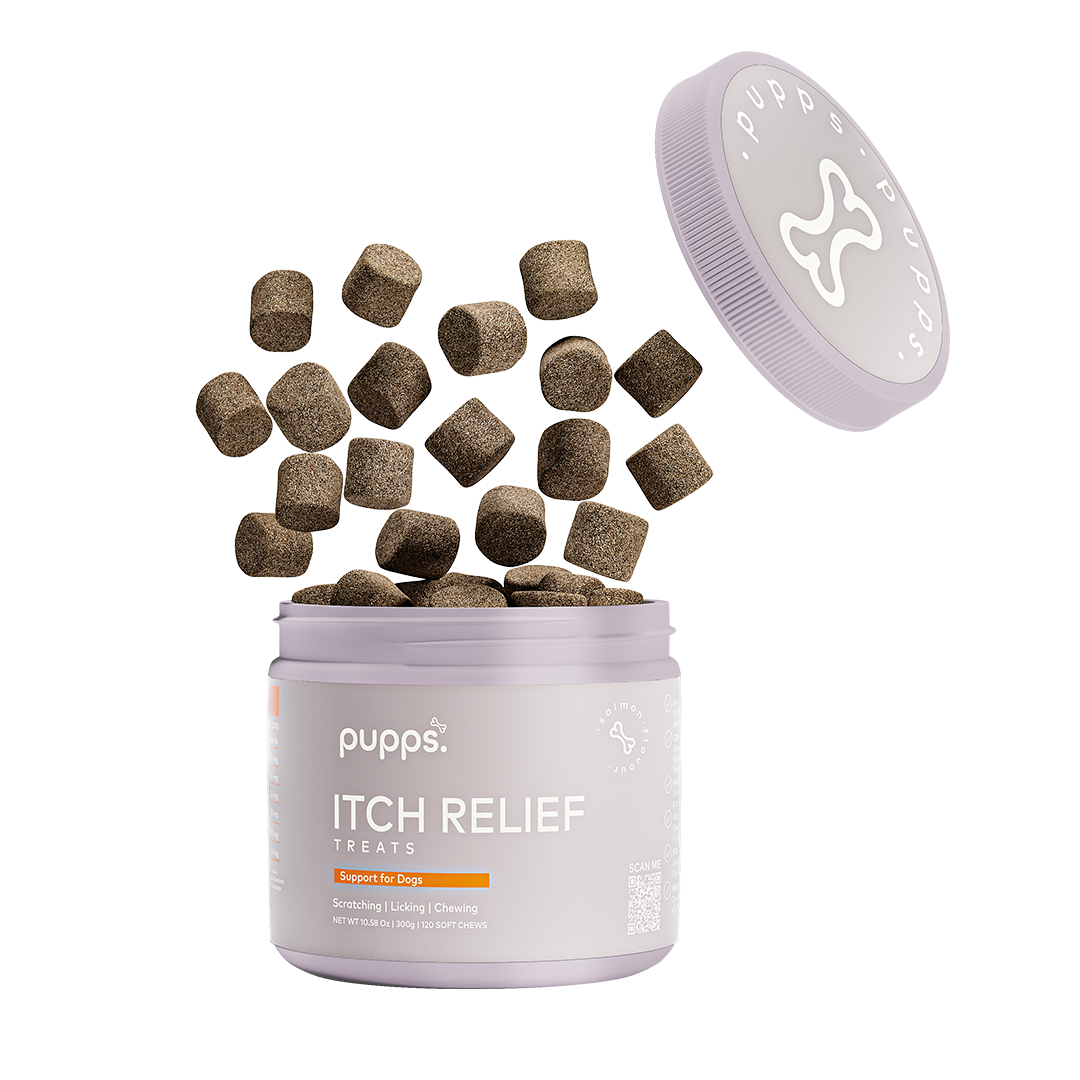
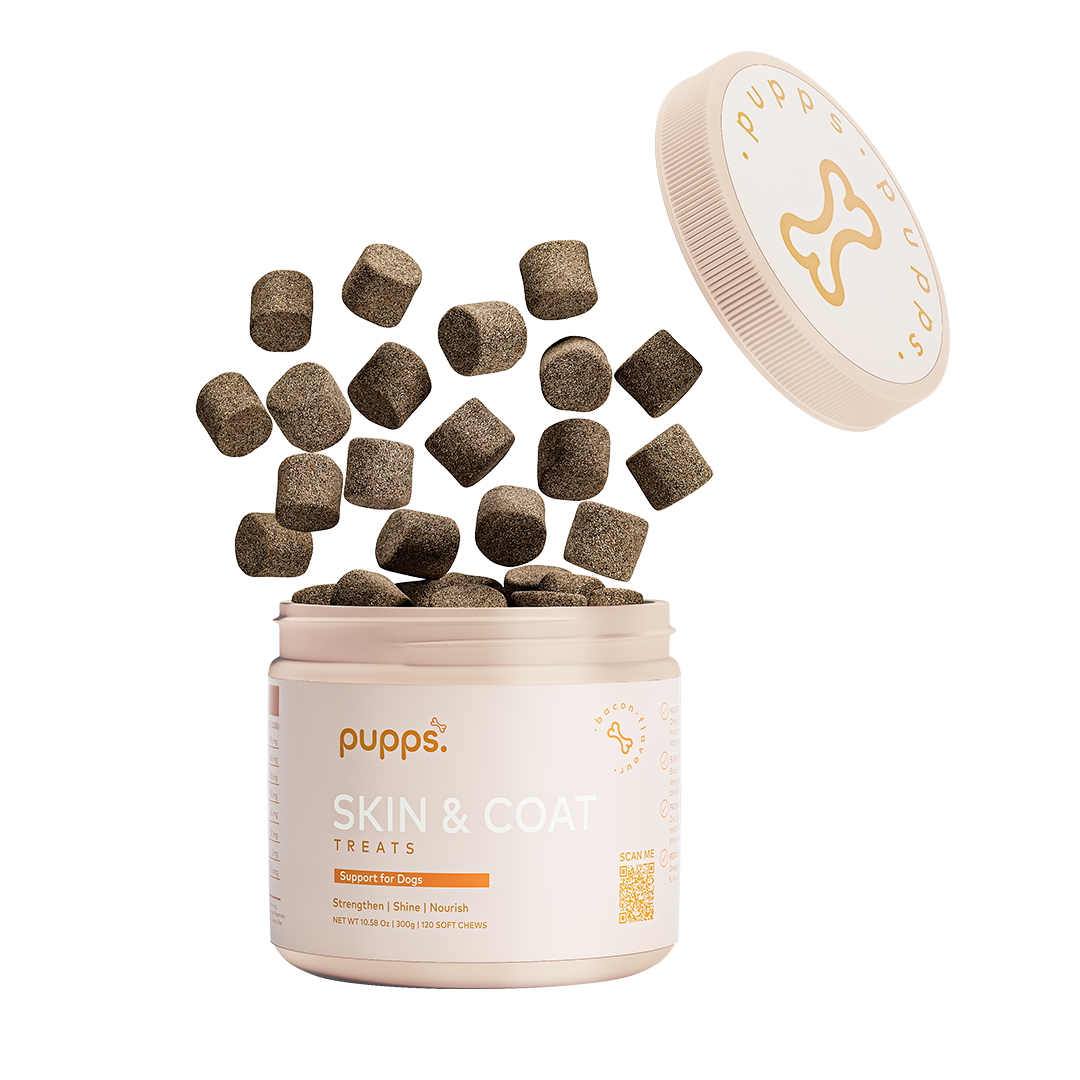
This is why many dogs with chronic itchy skin or recurring skin infections see real improvement when their gut health is addressed. It's also why Pupps Skin & Coat Treats and Pre & Probiotic Treats are often used together — targeting both the gut and the skin simultaneously tends to produce better results than addressing only one.
If your dog has both digestive and skin symptoms, this connection is worth exploring with your vet. A gut-focused approach may well be part of the solution.
The Gut-Brain Connection: How Gut Health Affects Behaviour
The gut-brain axis is bidirectional: the brain influences the gut, and the gut influences the brain. Research has identified specific bacterial strains — including certain Bifidobacterium species — that appear to directly influence the production of calming neurotransmitters like serotonin. A significant proportion of the body's serotonin is actually produced in the gut, not the brain.
This helps explain why anxious dogs often have digestive symptoms, and why dogs with digestive issues often seem unsettled or anxious. Supporting the gut can have a genuine calming effect — and for dogs who are both anxious and have digestive issues, addressing the gut is a logical starting point.
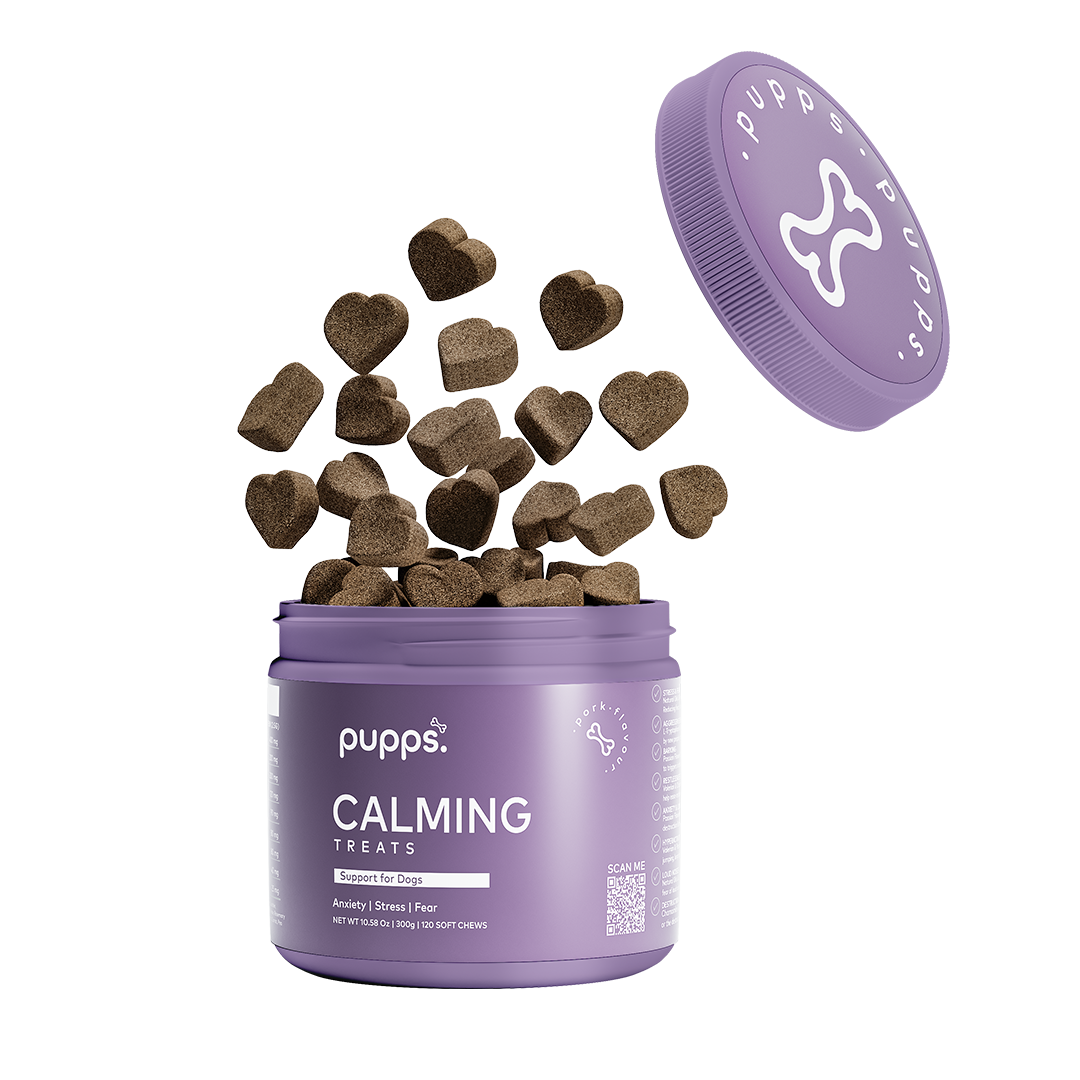
For dogs whose anxiety is a primary concern, Pupps Calming Treats offer targeted support for the nervous system — and when combined with gut health support, many owners notice a compounding benefit.
Gut Health Is a Long-Term Investment
One of the things that's important to understand about the microbiome is that it responds to consistent, sustained care rather than quick fixes. A single course of probiotics after a stomach upset will help — but the greatest benefits come from ongoing nutritional support that keeps the beneficial bacteria thriving day after day.
Think of gut health as the foundation of your dog's overall wellbeing. A well-supported microbiome means better digestion, a stronger immune system, healthier skin, and a more balanced mood. It's an investment in your dog's quality of life that pays dividends across every system in their body.
Related reading
For more information about supporting your dog's health from the inside out, visit pupps.com and explore our full range of functional treats — each formulated with specific health goals in mind, using ingredients that work with your dog's biology rather than against it.



Leave a comment
This site is protected by hCaptcha and the hCaptcha Privacy Policy and Terms of Service apply.