

When most of us think about our dog's gut, we think about digestion. Food goes in, gets broken down, nutrients get absorbed, and waste comes out. Simple enough. But over the past decade, veterinary science has revealed something far more interesting: your dog's gut is involved in almost every aspect of their health — from their immune system and skin condition to their mood and energy levels.
If your dog suffers from recurring digestive issues, persistent skin problems, low energy or frequent illness, the root cause could be sitting in their gut. And the good news is that gut health is one of the most responsive areas of canine health to targeted nutritional support.
In this guide, we'll explain what the gut microbiome actually is, why it matters so much, the signs that something might be off, and practical steps you can take to support your dog's digestive health naturally.
What Is the Gut Microbiome?
Your dog's digestive tract is home to trillions of microorganisms — bacteria, fungi and other microbes — collectively known as the gut microbiome. This isn't a problem to be solved; it's a feature. These microorganisms aren't just passengers. They play active, essential roles in your dog's health.
A healthy gut microbiome contains a diverse community of beneficial bacteria that work together to break down food, produce vitamins, regulate the immune system and protect against harmful pathogens. When this community is balanced and thriving, your dog's digestive system works smoothly and their overall health tends to be good.
Problems arise when this balance gets disrupted — a state vets call dysbiosis. When harmful bacteria outnumber beneficial ones, or when diversity drops too low, the consequences can ripple out far beyond the digestive system.
Why Your Dog's Gut Affects Everything
The Immune Connection
This is perhaps the most important thing to understand about gut health: approximately 70% of your dog's immune system resides in their gut. The gut-associated lymphoid tissue (GALT) is the largest immune organ in the body, constantly monitoring what passes through the digestive tract and deciding what to attack and what to tolerate.
When the gut microbiome is balanced, this immune surveillance works well. Your dog fights off genuine threats whilst tolerating harmless substances like food proteins and environmental particles. When the microbiome is disrupted, the immune system can become confused — overreacting to harmless substances (leading to allergies) or underperforming when faced with real threats (leading to frequent infections).
This is why dogs with poor gut health often seem to catch every bug going around, take longer to recover from illness, or develop allergies that seem to come out of nowhere.
The Gut-Skin Axis
If your dog suffers from persistent skin issues — itching, redness, dry patches or a dull coat — their gut could be a contributing factor. Research has identified a clear connection between gut health and skin health, known as the gut-skin axis.
An imbalanced gut microbiome can trigger systemic inflammation that manifests on the skin. It can also impair nutrient absorption, meaning your dog's skin doesn't receive the fatty acids, vitamins and minerals it needs to maintain a healthy barrier. Many owners are surprised to find that addressing their dog's gut health leads to visible improvements in their coat and skin within a few weeks.
The Gut-Brain Connection
Your dog's gut and brain communicate constantly through what scientists call the gut-brain axis. The gut produces a significant proportion of your dog's serotonin — a neurotransmitter involved in mood regulation, sleep and feelings of wellbeing.
Dogs with disrupted gut microbiomes can show behavioural changes including increased anxiety, restlessness, irritability and even changes in appetite. Whilst gut health alone won't solve a serious behavioural issue, it can be an important piece of the puzzle — particularly for dogs whose anxiety or mood changes coincide with digestive problems.
Signs Your Dog's Gut Health Needs Attention
Some signs of poor gut health are obvious. Others are easy to miss or attribute to something else entirely. Here's what to watch for:
Digestive signs:
- Frequent soft stools or diarrhoea
- Excessive gas or bloating
- Constipation or irregular bowel movements
- Vomiting (especially after eating)
- Gurgling stomach noises
- Eating grass more than usual
- Changes in appetite
Signs you might not connect to gut health:
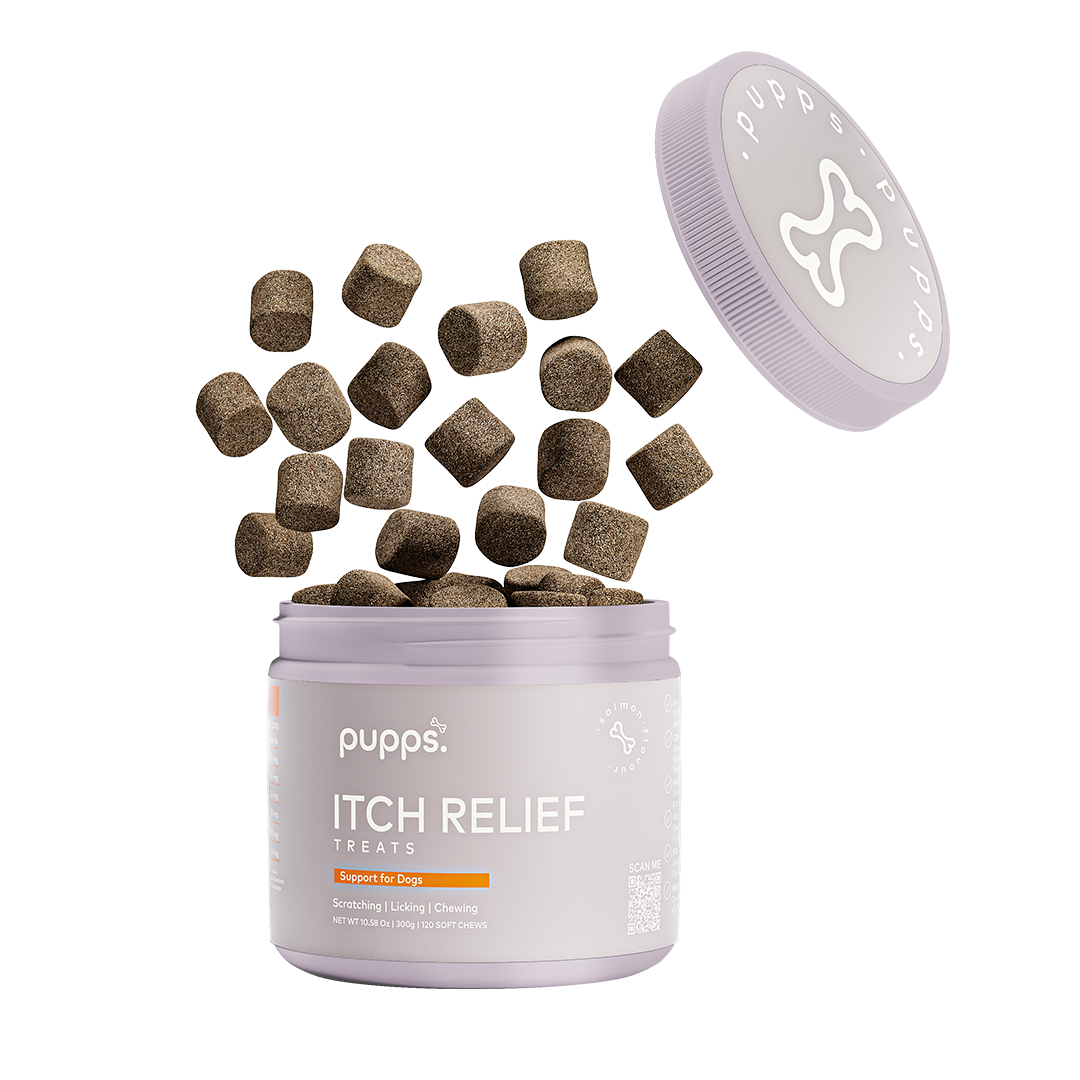
- Persistent skin issues or itching that doesn't respond to topical treatments
- Dull, dry or brittle coat
- Bad breath (beyond normal dog breath)
- Low energy or lethargy
- Frequent ear infections
- Weight changes (gain or loss) despite consistent feeding
- Increased anxiety or behavioural changes
- Frequent minor illnesses or slow recovery
If your dog is showing several of these signs, it's worth considering their gut health as a potential underlying factor — even if their digestion seems relatively normal on the surface.
What Damages Your Dog's Gut Health?
Understanding what disrupts the microbiome helps you protect it. The most common culprits include:
Antibiotics: These are sometimes necessary and potentially life-saving, but they don't discriminate between harmful and beneficial bacteria. A single course of antibiotics can significantly reduce gut microbiome diversity. If your dog has recently been on antibiotics, actively supporting their gut recovery is particularly important.
Processed diets: Heavily processed foods with artificial additives, preservatives and limited ingredient diversity don't provide the variety of fibres and nutrients that beneficial gut bacteria need to thrive. This doesn't mean you need to switch to a raw diet — simply ensuring your dog's food is high quality and varied can help.
Stress: Just like in humans, stress affects your dog's gut. Changes in routine, moving house, new family members, separation anxiety and other stressors can all impact the gut microbiome. The gut-brain axis works both ways — stress affects the gut, and a disrupted gut can increase stress responses.
Sudden dietary changes: Switching your dog's food abruptly doesn't give the gut microbiome time to adapt. This is why vets recommend transitioning foods gradually over 7–10 days.
Age: Both very young and senior dogs tend to have less diverse microbiomes. Puppies are still building their gut communities, whilst older dogs naturally experience some decline in microbial diversity.
How to Support Your Dog's Gut Health Naturally
Feed for Gut Health
The foundation of a healthy gut is what goes into it. Choose a high-quality dog food with named protein sources, minimal artificial additives and a good balance of fibre. If possible, add variety to your dog's diet — different protein sources, the occasional cooked vegetable and small amounts of fermented foods like plain kefir can all help support microbial diversity.
Fibre is particularly important. Both soluble and insoluble fibre act as food for beneficial gut bacteria — these are known as prebiotics. Foods naturally rich in prebiotic fibre include pumpkin, sweet potato, chicory root and oats. These feed the good bacteria already present in your dog's gut, helping them multiply and maintain a healthy population.
Introduce Targeted Probiotic Support
Whilst diet provides the foundation, targeted probiotic supplementation can give your dog's gut microbiome a significant boost — particularly if it's been disrupted by antibiotics, stress, illness or poor diet.
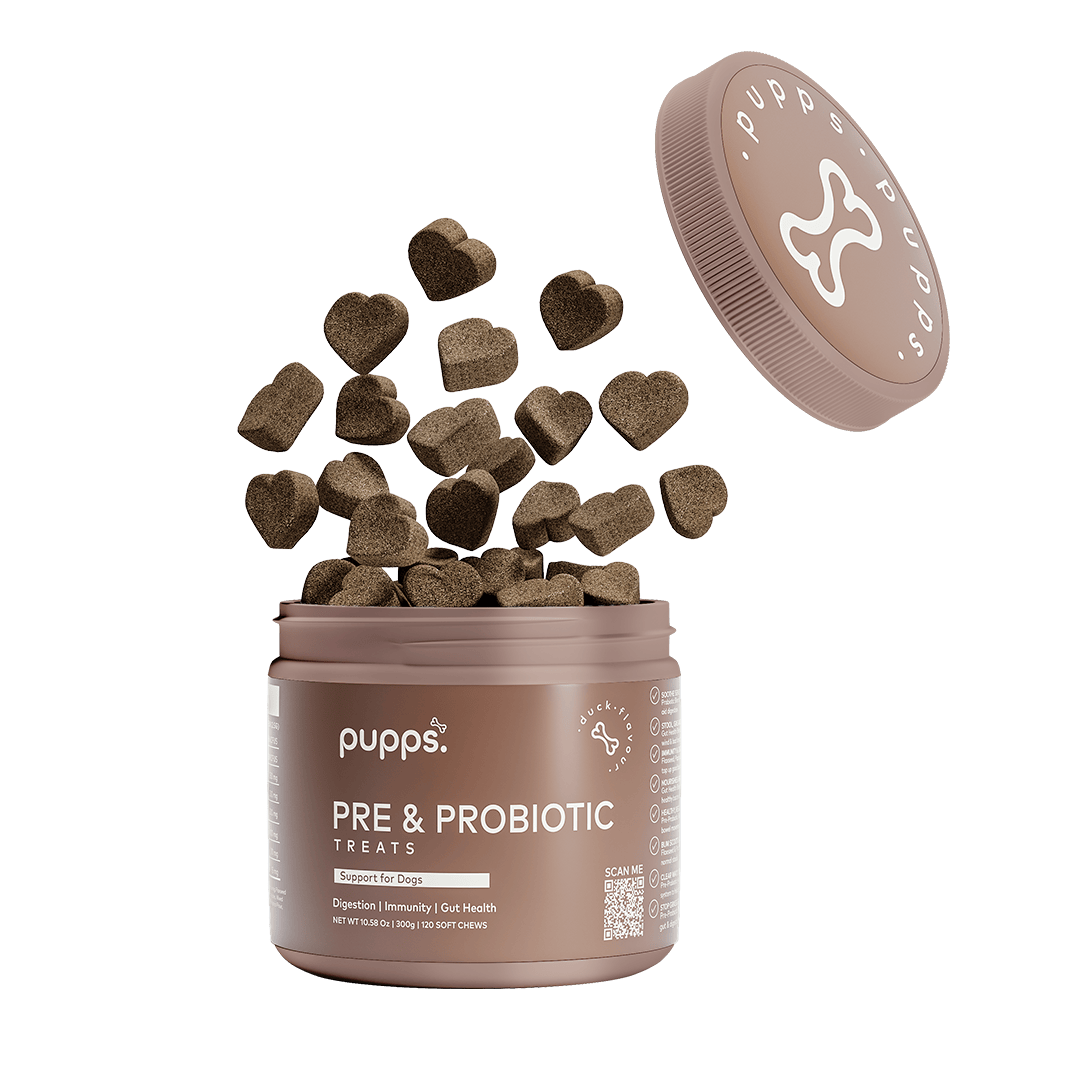
Pupps Pre & Probiotic Treats combine both prebiotic and probiotic support in a single daily treat. They contain a 5-strain probiotic blend delivering 4.5 billion CFUs (colony-forming units) of beneficial bacteria, plus Bacillus Subtilis at 500 million CFUs — a particularly resilient strain that survives stomach acid to reach the intestines where it's needed most.
The prebiotic component, including chicory root fibre and pumpkin, ensures these beneficial bacteria have the food they need to establish and thrive. This dual approach — seeding new beneficial bacteria whilst feeding the ones already there — is more effective than probiotics or prebiotics alone.
Most dogs show improvements in digestive comfort within one to two weeks of consistent use. For dogs with more established gut issues, it can take three to four weeks to see the full benefit as the microbiome gradually rebalances.
Manage Transitions Carefully
Whenever you change your dog's food, medication or routine, do it gradually. Sudden changes are one of the most common triggers for digestive upset. When switching foods, mix increasing proportions of the new food with the old over 7–10 days. If your dog is starting a new supplement, begin with a smaller dose and build up.
Reduce Unnecessary Stressors
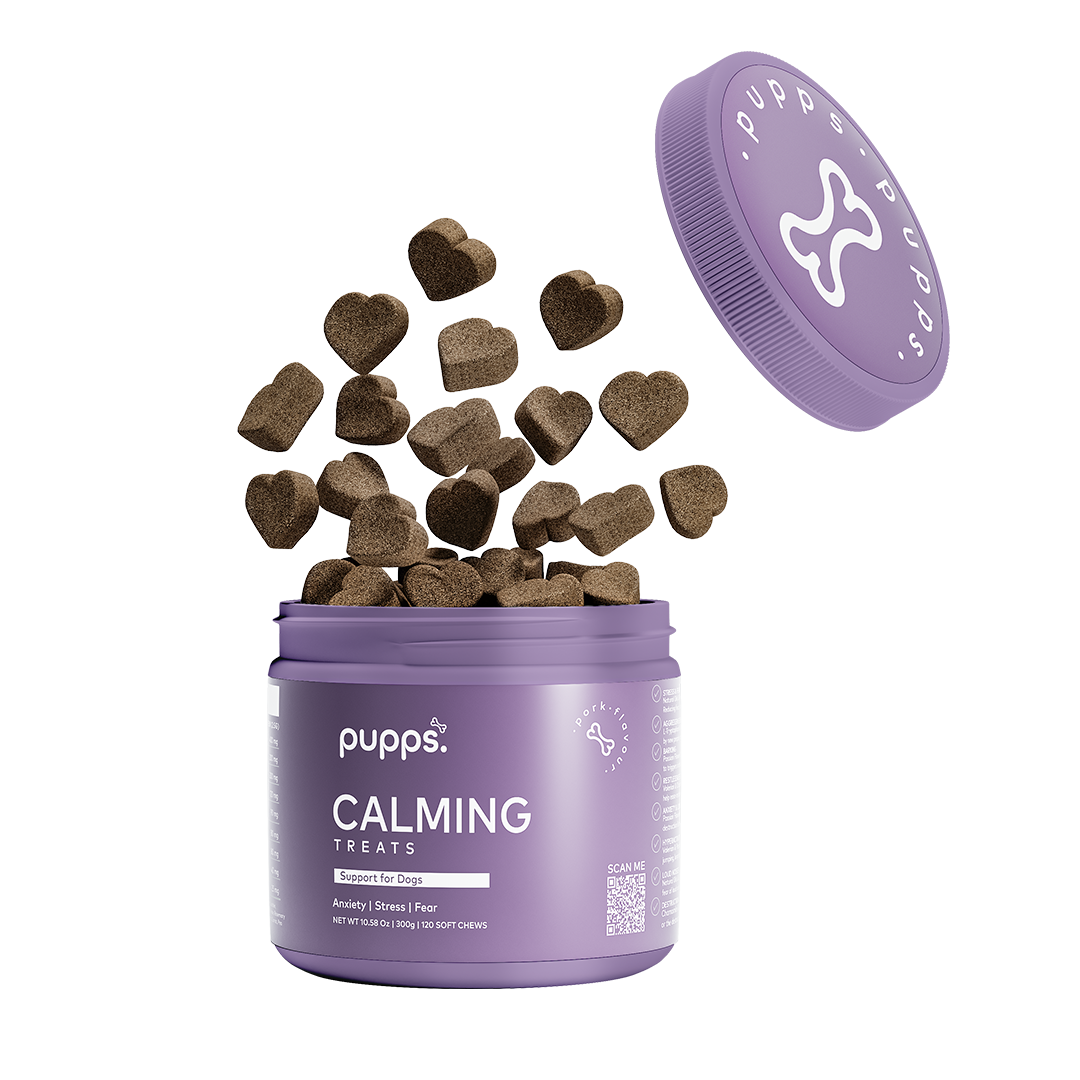
Since stress directly affects gut health, managing your dog's stress levels supports their digestion too. Consistent routines, adequate exercise, mental stimulation and a calm home environment all contribute. For dogs with significant anxiety, addressing the stress itself is important — and Pupps Calming Treats can help support a calmer state alongside gut-focused support.
Post-Antibiotic Recovery
If your dog has recently finished a course of antibiotics, their gut microbiome will need active support to recover. This is one of the most impactful times to introduce a quality probiotic supplement. Start as soon as the antibiotic course is finished (or during, if your vet advises) and continue for at least four to six weeks to give the microbiome time to rebuild diversity.
Gut Health for Different Life Stages
Puppies
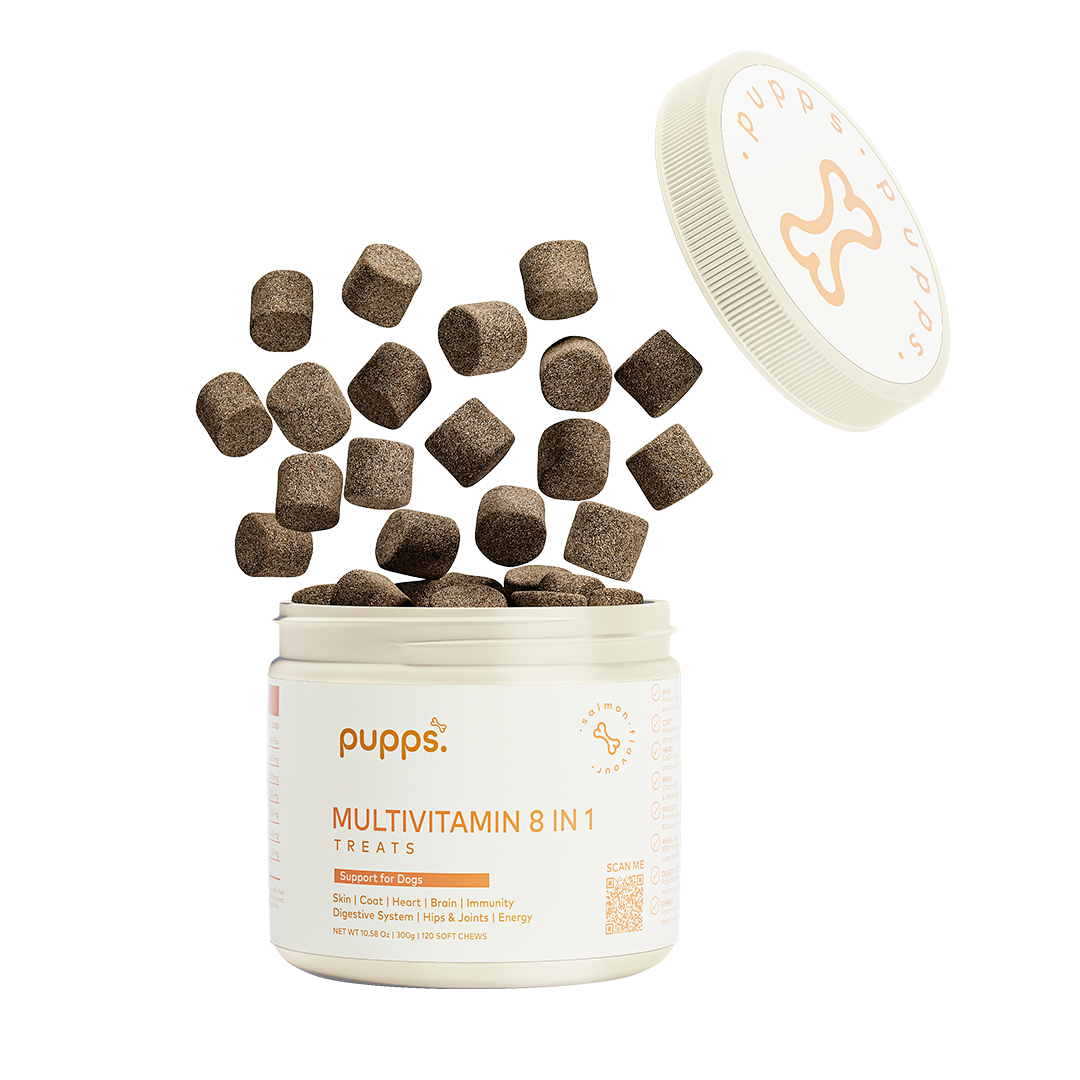
Puppies are born with virtually sterile guts and spend their first months building their microbiome. The bacteria they're exposed to during this critical period shape their immune development and digestive health for life. Supporting a puppy's gut health with gentle probiotic support and high-quality nutrition gives them the best possible foundation. Pupps Multivitamin Treats can also help ensure puppies receive comprehensive nutritional support during this crucial developmental stage.
Adult Dogs
Healthy adult dogs with no digestive issues may not need daily probiotic supplementation, but it's worth considering during periods of stress, dietary change, travel or after illness. For dogs with ongoing sensitive stomachs or recurring digestive problems, consistent daily support often produces the best results.
Senior Dogs
Older dogs naturally experience declining microbial diversity and reduced digestive efficiency. They may struggle to absorb nutrients as effectively as they once did, which can affect everything from coat quality to energy levels and immune function. Daily prebiotic and probiotic support can help maintain gut function and overall vitality in senior dogs.
When to See Your Vet About Gut Issues
Whilst mild digestive issues often respond well to dietary management and probiotic support, some situations require veterinary attention. See your vet if:
- Diarrhoea or vomiting persists for more than 48 hours
- You notice blood in your dog's stool
- Your dog refuses food for more than 24 hours
- There's significant weight loss or gain over a short period
- Your dog appears to be in pain (hunched posture, whimpering, restlessness)
- Digestive symptoms are accompanied by lethargy or fever
- Your puppy has persistent digestive issues (puppies can dehydrate quickly)
Your vet can rule out underlying conditions like parasites, pancreatitis, inflammatory bowel disease or food intolerances that may need specific treatment alongside gut health support.
Building a Healthier Gut for Your Dog
Your dog's gut microbiome is one of the most powerful levers you have for improving their overall health. By understanding the far-reaching effects of gut health — from immunity and skin condition to mood and energy — you can take a more holistic approach to your dog's wellbeing.
The steps don't need to be complicated: feed a high-quality, varied diet, introduce targeted prebiotic and probiotic support, manage stress and transitions carefully, and pay attention to the signs your dog's gut might be sending you. Small, consistent actions tend to produce the best long-term results.
To explore how natural supplements can support your dog's digestive health and overall wellbeing, visit pupps.com and discover the full range of science-backed, natural dog supplements designed to help your dog thrive from the inside out.



Leave a comment
This site is protected by hCaptcha and the hCaptcha Privacy Policy and Terms of Service apply.