

If you've noticed your dog scratching, nibbling or rubbing more than usual once the cold weather sets in, you're certainly not alone. Many UK dog owners assume that itching is a summer problem — linked to pollen, grass and fleas — but winter brings its own set of challenges for your dog's skin.
The truth is, winter can be one of the worst times of year for itchy dogs. Between central heating, cold winds, reduced humidity and changes in diet and exercise, your dog's skin is under attack from multiple directions. And unlike a flea problem, these causes aren't always obvious.
In this guide, we'll look at the most common reasons dogs get itchy in winter, how to tell what's causing the problem, and what you can do to help your dog feel comfortable again — naturally.
Why Does Winter Make Dogs Itch More?
To understand winter itching, it helps to know a little about how your dog's skin works. Your dog's skin is their largest organ and acts as a protective barrier against the outside world. This barrier relies on a delicate balance of moisture, natural oils and healthy skin cells to function properly.
Winter disrupts this balance in several ways. Cold air holds less moisture than warm air, which means the environment your dog lives in becomes significantly drier between October and March. Add central heating into the mix — which strips even more moisture from the air inside your home — and your dog's skin is fighting a losing battle.
When the skin barrier becomes compromised, it can't do its job effectively. Irritants, allergens and bacteria that would normally be kept out can penetrate more easily, triggering inflammation, redness and that persistent itch your dog can't seem to shake.
Common Causes of Winter Itching in Dogs
Dry Skin from Central Heating
This is the single biggest culprit for winter itching in UK dogs. Most of us keep our homes heated to around 18–21°C during winter, which is comfortable for us but can be brutal on your dog's skin. Radiators and underfloor heating systems dramatically reduce indoor humidity, sometimes dropping it below 30% — well below the 40–60% range that's healthy for skin.
Signs of heating-related dry skin include flaky or dandruff-like patches, a dull coat that lacks its usual shine, and scratching that seems worse in the evenings when the heating has been on all day. You might also notice your dog seeking out cooler spots in the house or lying on tiled floors rather than near radiators.
Cold Weather and Wind Exposure
While we tend to wrap ourselves in layers before heading outside, your dog's exposed skin — particularly on their belly, paws and ears — takes the full brunt of cold winds and freezing temperatures. This can cause the skin to crack, dry out and become irritated.
Dogs with shorter coats or less body fat are especially vulnerable. Breeds like Whippets, French Bulldogs and Staffies often struggle more with cold-weather skin issues than their thick-coated counterparts.
Reduced Bathing (or Over-Bathing)
Some owners bath their dogs less in winter because it's harder to dry them thoroughly. Others bath more frequently because muddy walks mean dirtier dogs. Both extremes can cause problems. Infrequent bathing allows dead skin cells and irritants to build up, whilst over-bathing strips away the natural oils your dog's skin needs to stay healthy and hydrated.
Winter Allergens
Whilst pollen counts drop in winter, other allergens increase. Dust mites thrive in warm, centrally heated homes. Mould spores can build up in damp areas. And your dog spends more time indoors — closer to carpets, upholstery and household chemicals — increasing their exposure to indoor allergens.
If your dog's itching seems to get worse when they're inside but improves on walks, indoor allergens could be the cause.
Contact Irritants
Winter brings a range of substances your dog might not encounter during the rest of the year. Road salt and grit can irritate paws and lower legs. Antifreeze residue on pavements is both irritating and dangerous. Even the cleaning products you use more frequently during the muddy season can trigger skin reactions in sensitive dogs.
How to Tell What's Causing Your Dog's Winter Itch
Pinpointing the exact cause of your dog's itching can be tricky, but paying attention to a few key patterns can help narrow things down.
Where is your dog scratching? If the itching is concentrated on their belly, paws and ears, cold exposure or contact irritants are likely culprits. If it's more generalised — affecting the whole body — dry skin from central heating or an underlying allergy is more probable.
When does the scratching happen? Itching that worsens in the evening often points to heating-related dryness. Itching after walks suggests contact irritants or cold exposure. Constant, round-the-clock itching may indicate an allergic response that needs addressing at a deeper level.
What does the skin look like? Flaky, white patches suggest simple dryness. Red, inflamed areas point to an allergic or immune response. Hot spots or areas of hair loss warrant a trip to your vet, as these can indicate secondary infections.
Natural Ways to Help Your Itchy Dog This Winter
Manage Your Home Environment
Small changes to your home can make a significant difference. Consider using a humidifier in the rooms where your dog spends most of their time — this helps counteract the drying effects of central heating. Keep your home at a comfortable but not excessive temperature; even dropping from 21°C to 19°C can help.
Wash your dog's bedding regularly at 60°C to kill dust mites, and hoover soft furnishings frequently. If your dog sleeps near a radiator, try moving their bed to a spot with better air circulation.
Adjust Your Grooming Routine
Aim for a balanced approach to winter grooming. Bath your dog only when necessary, and when you do, use a gentle, moisturising shampoo formulated for dogs — never human products, which have the wrong pH for canine skin. After baths, dry your dog thoroughly, paying special attention to skin folds and between toes where moisture can linger and cause irritation.
Regular brushing is particularly important in winter. It stimulates natural oil production, removes dead skin cells and improves circulation to the skin. A few minutes of brushing every other day can make a noticeable difference to your dog's coat condition and comfort.
Protect Against the Elements
After winter walks, wipe your dog's paws and belly with a warm, damp cloth to remove salt, grit and any chemical residues. Pay particular attention to between the toes, where irritants can get trapped. For dogs with sensitive paws, consider using a paw balm before walks to create a protective barrier.
Support Skin Health from the Inside Out
While managing your dog's environment is important, the most effective approach to winter itching addresses the problem from within. Your dog's skin barrier function, immune response and inflammatory pathways all play a role in how they cope with winter challenges — and all of these can be supported nutritionally.
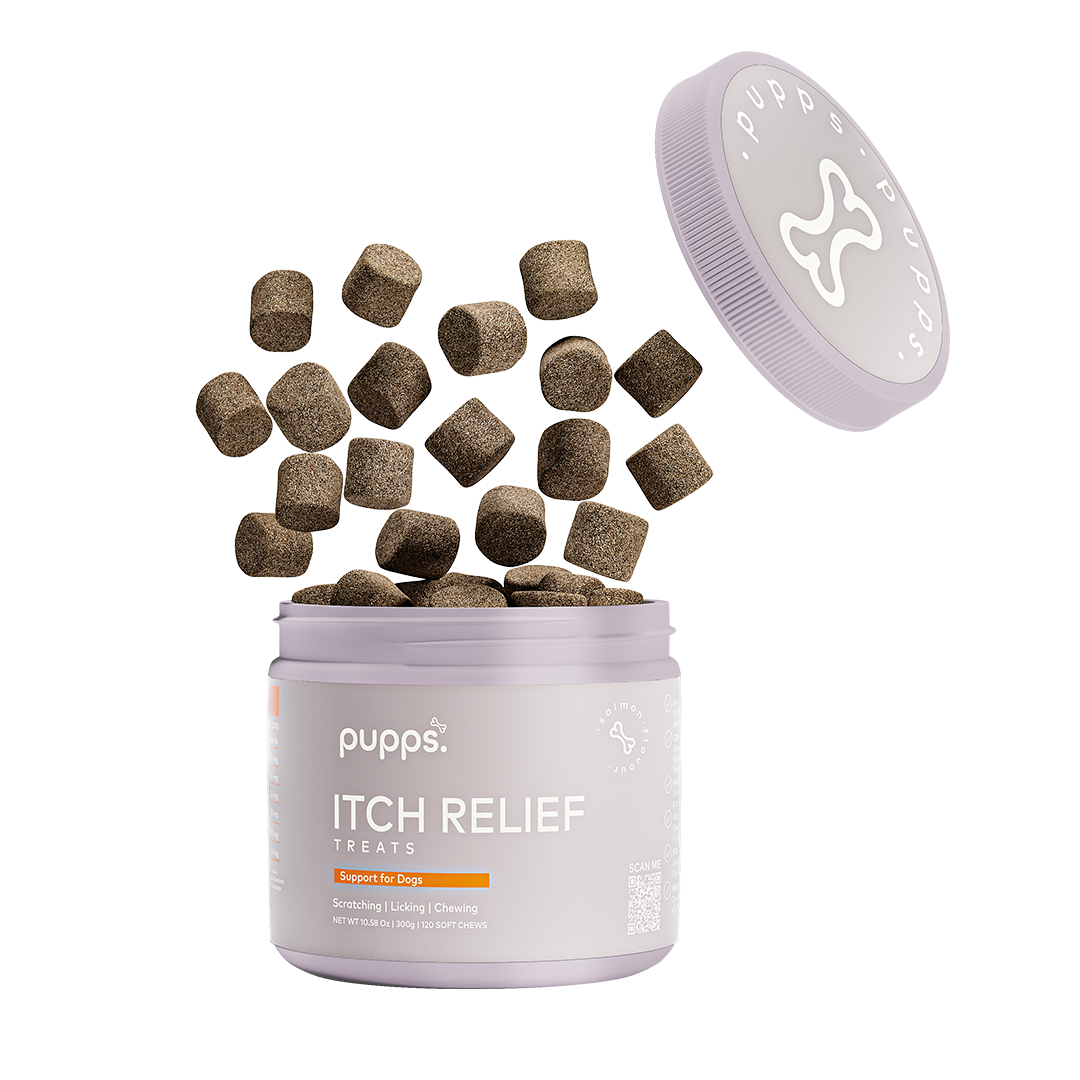
Pupps Itch Relief Treats are specifically formulated to help moderate the immune responses that drive itching. They contain omega-3 fatty acids, which help reduce inflammation, alongside quercetin — often called 'nature's antihistamine' — which helps calm the overactive immune responses that cause your dog to scratch. For dogs whose itching has a clear allergic component, these can make a real difference when given consistently over two to four weeks.
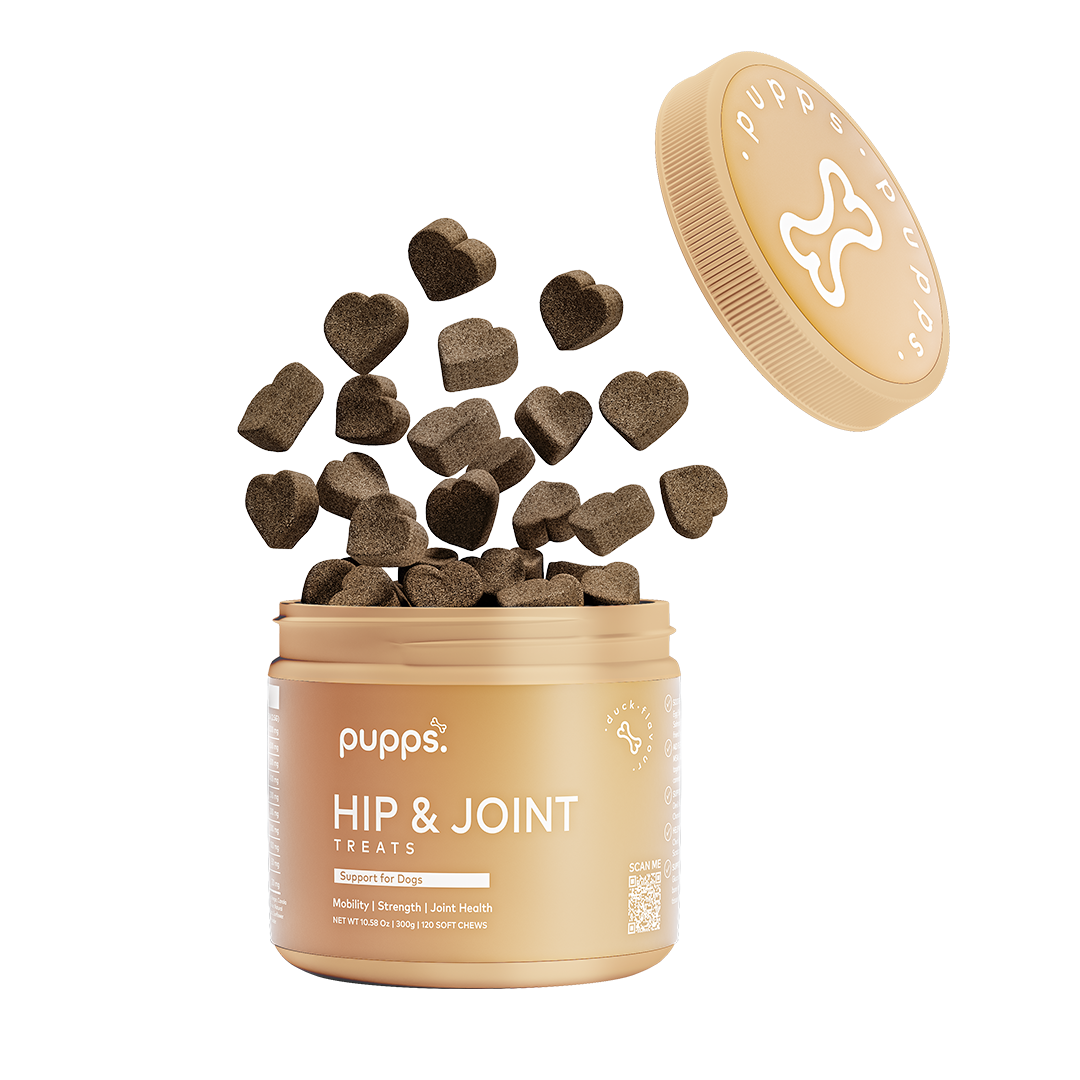
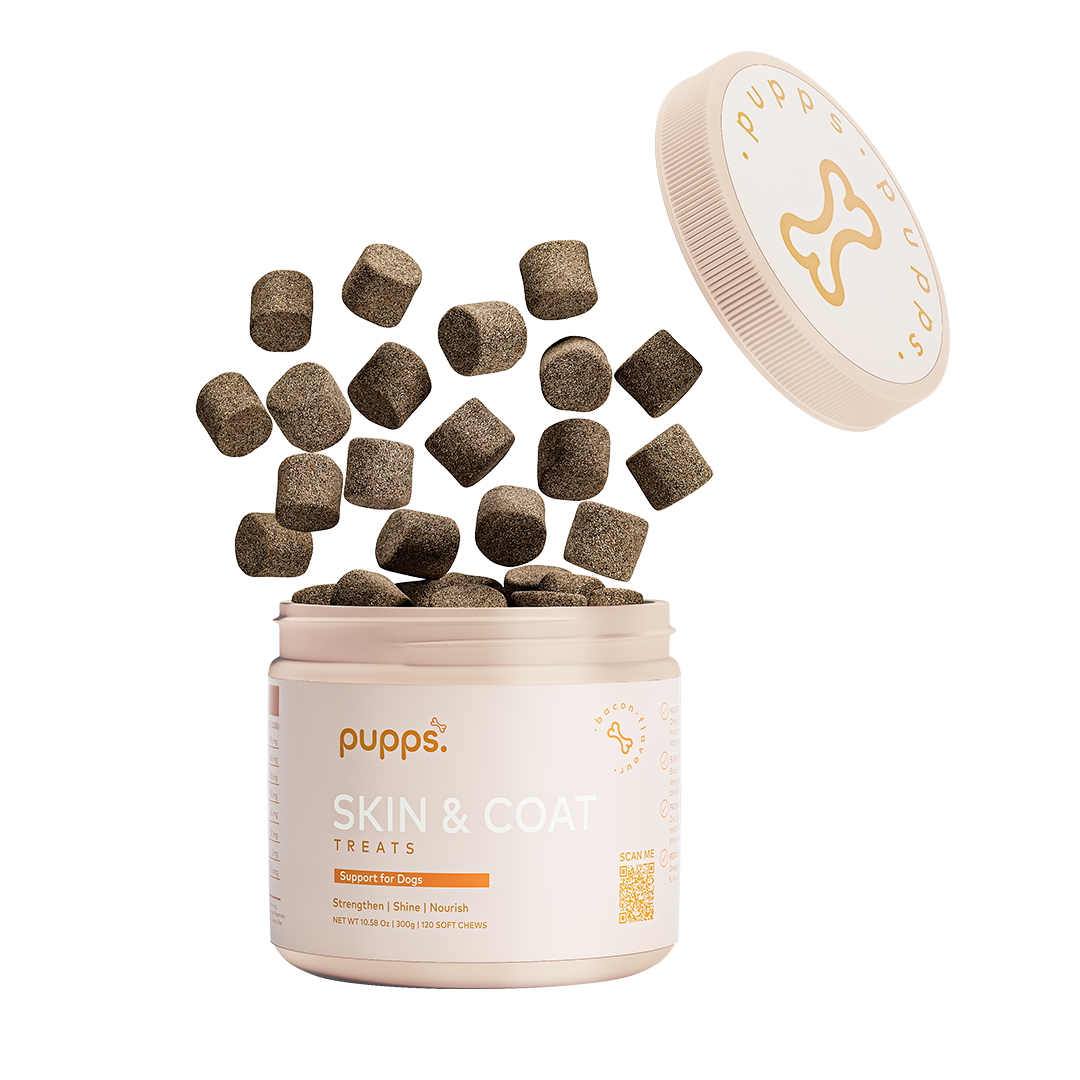
For dogs where the primary issue is dry, flaky skin and a dull coat rather than an allergic reaction, Pupps Skin & Coat Treats take a different approach. They're packed with biotin, essential fatty acids, vitamin E and zinc — nutrients that work together to strengthen the skin barrier from within and promote a healthier, more resilient coat. Think of them as building up your dog's natural defences against the harsh winter conditions.
Many owners find that combining both approaches — targeted itch relief for the immune response and skin barrier support for overall coat health — gives the most comprehensive results during the winter months.
Consider the Gut-Skin Connection
It might surprise you to learn that your dog's gut health has a direct impact on their skin. Around 70% of the immune system resides in the gut, and an imbalanced gut microbiome can trigger or worsen inflammatory skin conditions. If your dog's winter itching is accompanied by digestive issues — soft stools, gas or a sensitive stomach — supporting their gut health could help address both problems simultaneously.
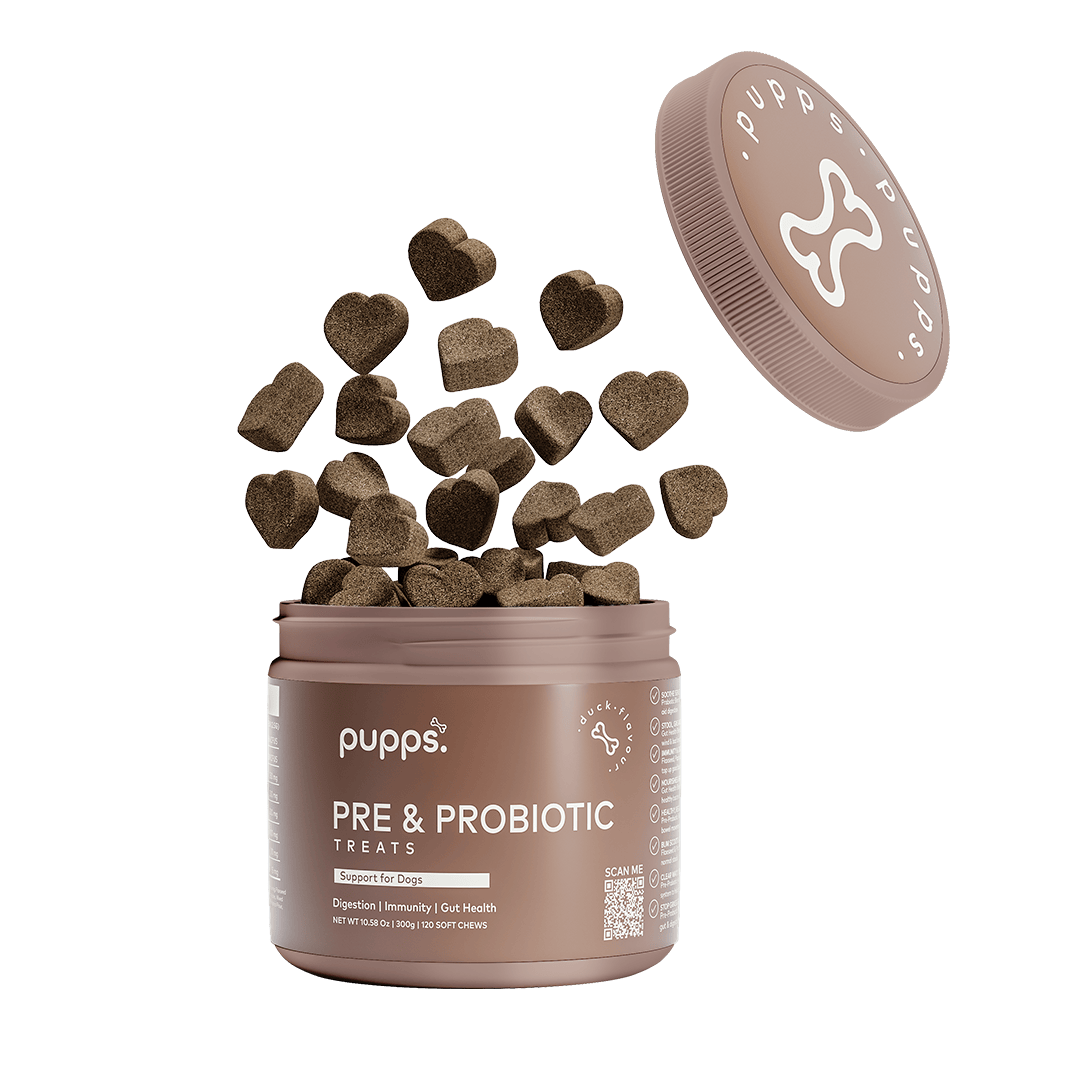
Pupps Pre & Probiotic Treats contain a 5-strain probiotic blend with 4.5 billion CFUs, plus prebiotic fibre and pumpkin to support healthy digestion. By supporting a balanced gut microbiome, they help ensure your dog's immune system functions as it should — which can have a positive knock-on effect on skin health.
When to See Your Vet
Whilst many cases of winter itching can be managed at home, some situations warrant professional attention. Book an appointment with your vet if you notice any of the following:
- Open sores, hot spots or areas of significant hair loss
- Skin that appears infected (oozing, crusty or with an unusual smell)
- Itching so severe that your dog is breaking the skin from scratching
- Symptoms that don't improve after two to three weeks of home management
- Sudden onset of severe itching (this could indicate an allergic reaction)
- Swollen paws or ears alongside the itching
Your vet can run allergy tests, check for secondary infections and recommend treatments that work alongside the natural support measures outlined above. It's always better to seek advice early than to let a minor issue develop into something more serious.
A Winter Skin Care Routine for Your Dog
Consistency is key when it comes to managing winter itching. Here's a simple daily routine that covers all the bases:
- Morning: Give your dog their daily Itch Relief Treats or Skin & Coat Treats (or both) with breakfast
- After walks: Wipe paws and belly with a warm, damp cloth. Check between toes for salt or grit
- Evening: A quick brush to stimulate oil production and remove dead skin. Check for any new areas of redness or irritation
- Ongoing: Keep the humidifier running, wash bedding weekly and monitor scratching patterns
Most dogs will show improvement within two to three weeks of consistent care. The key is not to wait until the itching becomes severe before taking action — prevention and early intervention are always more effective than trying to solve a problem that's already taken hold.
Keeping Your Dog Comfortable All Winter
Winter itching can be frustrating for both you and your dog, but the good news is that most cases are manageable with the right approach. By understanding what's causing the problem — whether that's dry indoor air, cold weather exposure, winter allergens or a combination of factors — you can take targeted steps to help.
A combination of environmental management, gentle grooming, paw protection and nutritional support gives your dog the best chance of staying comfortable throughout the colder months. And if you're ever unsure whether your dog's itching is something more serious, your vet is always the best person to ask.
For more advice on supporting your dog's health naturally, explore the full range of natural dog supplements at Pupps. Because every dog deserves to feel comfortable in their own skin — even in the depths of a British winter.



Leave a comment
This site is protected by hCaptcha and the hCaptcha Privacy Policy and Terms of Service apply.