


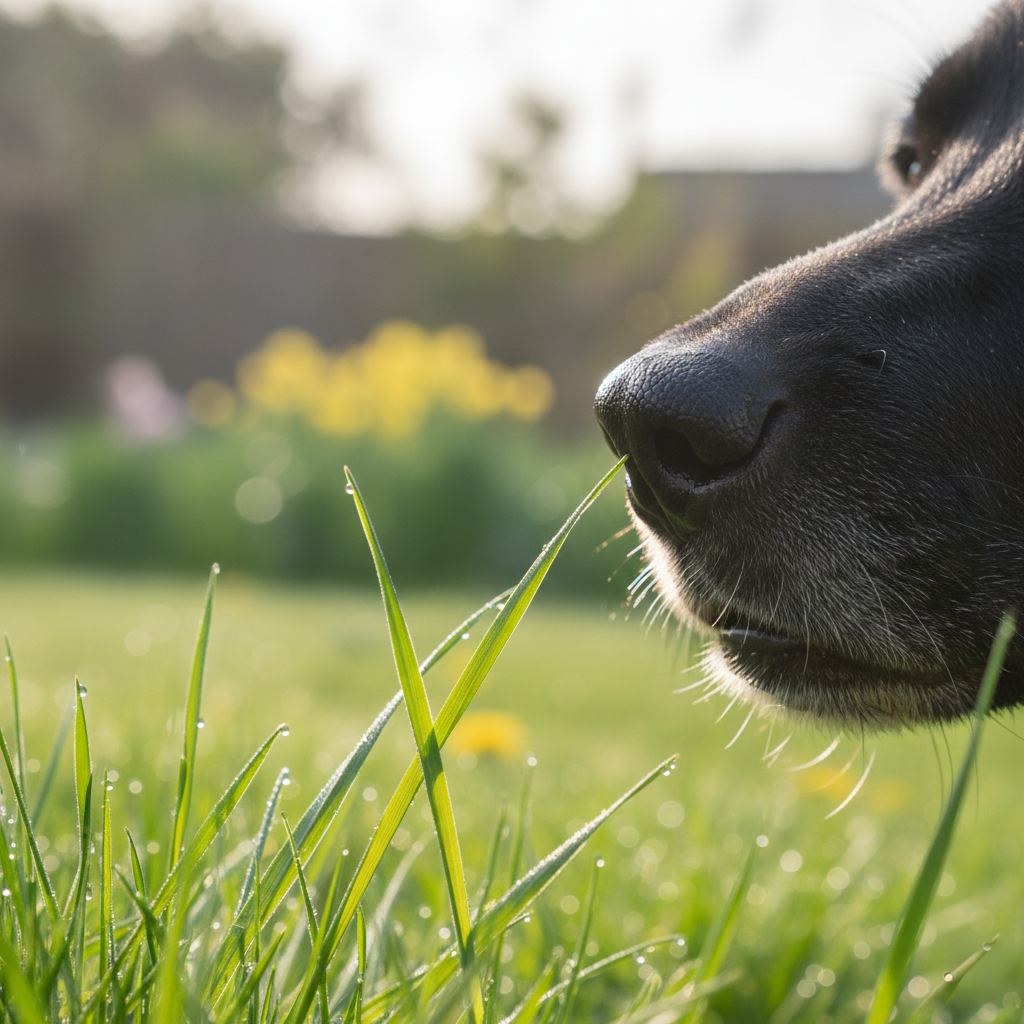
You're out for a peaceful walk in the park when your dog suddenly stops, lowers their head, and starts munching on grass like a small, furry cow. Sound familiar? If you've ever stood there wondering whether you should be worried—or just confused—you're certainly not alone.
Grass eating is one of the most common behaviours dog owners ask about, and it's also one of the most misunderstood. The good news? In the vast majority of cases, it's completely normal and nothing to worry about. But understanding why your dog does it can help you know when it's just quirky canine behaviour and when it might be worth a chat with your vet.
Let's dig into the fascinating reasons behind this behaviour—and separate the myths from the facts.
Is It Normal for Dogs to Eat Grass?
Let's start with the most important point: yes, grass eating is entirely normal for dogs. Studies suggest that up to 80% of dogs eat grass at some point, and it's been observed in wild canines too. This isn't a modern quirk caused by processed dog food or bored house pets—it appears to be an innate behaviour that's been around as long as dogs themselves.
In fact, researchers have found evidence of grass and plant matter in the stomach contents of wild wolves and other canids. So when your Labrador stops mid-walk to graze, they're tapping into instincts that predate their domestication by thousands of years.
The question isn't really whether dogs eat grass—it's why they do it. And as it turns out, there isn't just one answer.
The Real Reasons Dogs Eat Grass
Over the years, various theories have emerged to explain grass eating. Some have held up to scientific scrutiny better than others. Here's what we actually know.
They Simply Like the Taste and Texture
Sometimes the simplest explanation is the right one. Many dogs genuinely seem to enjoy eating grass—particularly fresh, young shoots in spring and early summer. The texture might be appealing, or the taste might be pleasant to them in ways we can't fully understand.
Think about it: dogs experience the world largely through their mouths and noses. Grass has a distinctive smell and texture that changes with the seasons, the weather, and even the time of day. For a curious dog, it might simply be interesting.
You might notice your dog is pickier about their grass than you'd expect. Many dogs will sniff several patches before selecting the perfect blade, suggesting they're looking for something specific rather than mindlessly grazing.
Instinctive Behaviour From Their Ancestors
Dogs are descended from wolves, and wolves are not strictly carnivorous. Wild canids regularly consume plant matter, often from the stomach contents of their prey but also by eating plants directly. This might serve various purposes—adding fibre to the diet, obtaining certain nutrients, or simply because it's available.
Your dog doesn't know they're following ancient instincts when they nibble on grass. They're just doing what feels natural. This ancestral programming might explain why the behaviour is so widespread across different breeds, ages, and dietary backgrounds.
Fibre and Digestive Movement
Grass is essentially fibre, and fibre plays an important role in digestive health. Some researchers believe dogs may eat grass to add roughage to their diet, which can help things move along smoothly through the digestive tract.
Modern dog food, particularly some commercial kibbles, may be lower in fibre than what dogs would naturally consume if they were eating a more varied diet. Grass eating might be a way of supplementing this—though it's worth noting that dogs on high-quality, fibre-appropriate diets still eat grass, so it's unlikely to be the whole story.
Boredom or Habit
Let's be honest: dogs sometimes do things simply because they're bored or because they've developed a habit. If your dog has limited mental stimulation or spends a lot of time in the garden with nothing much to do, grass eating might become a go-to activity.
This is more likely to be the cause if your dog seems to eat grass compulsively or excessively, rather than occasionally nibbling during walks. If you suspect boredom might be a factor, increasing exercise, mental stimulation, and interactive play can help.
The Upset Stomach Myth: What the Research Actually Says
Here's where things get interesting. The most common belief about grass eating is that dogs do it to make themselves sick when they have an upset stomach. It's repeated so often that most people assume it's fact. But is it?
The evidence is actually mixed. Studies have found that only a small percentage of dogs—somewhere between 10% and 25%—vomit after eating grass. And of those that do vomit, many were not showing any signs of illness beforehand.
This suggests that while some dogs might eat grass when they're feeling queasy (and the grass may or may not make them vomit), the majority of grass-eating dogs are perfectly healthy and have no intention of being sick.
So Why Do Some Dogs Vomit After Eating Grass?
When dogs do vomit after eating grass, it's often because of how they've eaten it rather than why. Dogs that gulp down large amounts of grass quickly, without much chewing, are more likely to vomit. The long blades can tickle the throat and stomach lining, triggering the gag reflex.
Dogs that eat grass more slowly and selectively—carefully choosing and chewing their blades—rarely vomit afterwards. So if your dog occasionally throws up after a grass feast, they may simply be eating too enthusiastically.
Could They Be Self-Medicating?
The idea of animals self-medicating with plants is genuinely fascinating and well-documented in some species. Chimpanzees, for example, have been observed eating certain plants when they have intestinal parasites.
Could dogs be doing something similar? It's possible. Grass eating has been proposed as a way to help expel intestinal worms—the fibrous material might help move parasites through the gut. However, this is largely theoretical when it comes to domestic dogs, and regular worming treatment is far more effective at managing parasites than grass could ever be.
When Grass Eating Might Be a Concern
For most dogs, occasional grass eating is nothing to worry about. However, there are some situations where it's worth paying closer attention.
Sudden Increase in Grass Eating
If your dog has never been particularly interested in grass but suddenly starts eating it frequently, this change in behaviour is worth noting. It could indicate boredom, stress, or potentially an underlying health issue. A sudden change in any behaviour pattern is generally worth discussing with your vet.
Eating Grass Frantically or Compulsively
There's a difference between a dog casually nibbling on grass during a walk and a dog desperately seeking out grass to consume in large quantities. Frantic grass eating—especially if accompanied by lip licking, drooling, or obvious discomfort—might indicate nausea or gastrointestinal distress.
If your dog seems desperate to eat grass and then vomits repeatedly, it's worth having them checked over, particularly if this becomes a pattern.
Frequent Vomiting
As we've discussed, most dogs don't vomit after eating grass. If your dog consistently vomits after eating grass—or vomits frequently in general—this warrants veterinary attention regardless of the grass connection. Frequent vomiting can indicate various issues that need investigation.
Other Symptoms
Grass eating combined with other symptoms—lethargy, loss of appetite, diarrhoea, weight loss, or changes in behaviour—should prompt a vet visit. The grass eating itself probably isn't the problem, but it might be occurring alongside something that needs attention.
Is the Grass Itself Safe?
While grass eating is generally harmless, the grass itself isn't always safe. Here's what to watch out for.
Pesticides and Herbicides
This is probably the biggest concern with grass eating. Many gardens, parks, and public spaces in the UK are treated with pesticides, herbicides, or fertilisers that can be harmful to dogs. These chemicals can cause anything from mild stomach upset to serious poisoning.
Be particularly cautious about:
- Grass in public parks and playing fields that may have been recently treated
- Neighbours' gardens (you don't know what products they use)
- Roadside verges that may have been sprayed
- Golf courses and sports pitches
- Your own garden if you use lawn treatments
If you use lawn products at home, check they're pet-safe and follow the instructions about keeping dogs off treated areas. When out and about, try to steer your dog away from grass that looks unusually green or perfect—it may have been recently treated.
Slugs and Snails
Grass, particularly in the UK's damp climate, often harbours slugs and snails. These can carry lungworm, a parasite that's become increasingly common in British dogs and can be serious if left untreated. While your dog is more likely to pick up lungworm from deliberately eating slugs or snails, they could accidentally ingest small ones or slime trails whilst grazing.
Regular parasite prevention that covers lungworm is important for UK dogs, especially those who spend a lot of time grazing in the garden or on walks.
Toxic Plants Mixed In
Grass itself isn't toxic, but other plants growing among it might be. Dogs aren't always discriminating about what they eat, and they might accidentally consume something harmful whilst going for the grass. Keep an eye out for anything growing in the grass that shouldn't be there, and familiarise yourself with common toxic plants.
Should You Stop Your Dog Eating Grass?
If your dog's grass eating is occasional, they're not showing any concerning symptoms, and the grass is safe (untreated, no slugs or toxic plants), there's generally no reason to stop them. It's a natural behaviour that most dogs engage in without any ill effects.
However, you might want to redirect the behaviour if:
- You're unsure whether the grass has been treated with chemicals
- Your dog eats grass compulsively or frantically
- They consistently vomit afterwards
- You're in an area where toxic plants might be present
- There's a slug or snail problem
Redirecting is usually easier than trying to stop the behaviour entirely. Bring treats on walks to distract them, keep moving rather than letting them linger near tempting grass patches, or work on a solid 'leave it' command.
Could Diet Play a Role?
Some dog owners wonder whether their dog's grass eating indicates something missing from their diet. While this is possible, it's probably less common than people think.
Dogs on complete, balanced diets still eat grass regularly. The behaviour seems to be more about instinct and preference than nutritional deficiency. However, if your dog is eating grass excessively and showing other signs of digestive issues—irregular bowel movements, excessive gas, or changes in appetite—it might be worth reviewing their diet with your vet.
Adding more fibre to the diet might reduce grass eating in some dogs, though it's not guaranteed. Dogs with sensitive digestion sometimes benefit from diets that support gut health, which can improve overall digestive comfort.
The Bottom Line on Grass Eating
After all this, what should you actually take away?
Grass eating is normal, natural, and almost always harmless. Most dogs do it simply because they want to—whether that's instinct, enjoyment, or habit. The old idea that dogs only eat grass when they're ill doesn't hold up to scrutiny; the vast majority of grass-eating dogs are perfectly healthy.
Watch out for treated grass, keep up with parasite prevention (particularly for lungworm in the UK), and pay attention to any sudden changes in the behaviour or accompanying symptoms. But in most cases, you can watch your dog graze with amusement rather than concern.
Understanding why our dogs do the quirky things they do is part of the joy of living with them. Sometimes the answer is a complex interplay of instinct, evolution, and individual preference. And sometimes—as is often the case with dogs—they're just doing it because they can.
For more insights into your dog's behaviour and health, explore the resources at pupps.com, where we're always digging into what makes our four-legged friends tick.



Leave a comment
This site is protected by hCaptcha and the hCaptcha Privacy Policy and Terms of Service apply.